logo logo
giving banner
Donate
    • Membership
    • Donate
  • Social Justice
    • Racial Justice
    • Climate Justice
    • Disability Justice
    • Economic Justice
    • Food Justice
    • Health Justice
    • Immigration
    • LGBTQ+
  • Civic News
  • Nonprofit Leadership
    • Board Governance
    • Equity-Centered Management
    • Finances
    • Fundraising
    • Human Resources
    • Organizational Culture
    • Philanthropy
    • Power Dynamics
    • Strategic Planning
    • Technology
  • Columns
    • Ask Rhea!
    • Ask a Nonprofit Expert
    • Economy Remix
    • Gathering in Support of Democracy
    • Humans of Nonprofits
    • The Impact Algorithm
    • Living the Question
    • Nonprofit Hiring Trends & Tactics
    • Notes from the Frontlines
    • Parables of Earth
    • Re-imagining Philanthropy
    • State of the Movements
    • We Stood Up
    • The Unexpected Value of Volunteers
  • CONTENT TYPES
  • Leading Edge Membership
  • Newsletters
  • Webinars

What’s the Role of the Fundraiser?

Simone Joyaux
April 12, 2012

Let me tell you a secret: I don’t care if the donor gives a gift to my organization or to another organization. It’s all philanthropy. And philanthropy is about the donor. Philanthropy is bigger than any single organization.

I believe “a rising tide raises all boats.” I believe that relationships are an end in and of themselves, not merely a strategy to secure gifts of time, advice and money. So here’s a wild suggestion. How about this threefold role for a fundraiser:

Role #1

First, nurture philanthropy as a community-building process, in John Gardner’s sense of place and mission; for a better understanding of what this entails, do read John Gardner’s wonderful monograph, “Building Community.” In this first role, I think the fundraiser’s job is to increase social capital and promote civic engagement, and also to build civil society and civic capacity.

Role #2

Sign up for our free newsletters

Subscribe to NPQ's newsletters to have our top stories delivered directly to your inbox.

By signing up, you agree to our privacy policy and terms of use, and to receive messages from NPQ and our partners.

Second, nurture relationships to foster philanthropy and strengthen community. In this role, the fundraiser helps the community build partnerships. The fundraiser helps her own organization become relevant, strong, and donor-centered.

Role #3

And third, increase and diversify philanthropy for one’s employing organization. Here, the fundraiser turns his attention to his own organization. Specifically, the fundraiser acts as an organizational development specialist, assuring an effective organization. The fundraiser operates a donor-centered fund development program that nurtures relationships and effectively communicates. This is the way to build donor loyalty—and surely that is a (the?) principal role of the fundraiser.

As you might expect, I don’t think that the third role happens well without the first two. Furthermore, I think that excessive focus on the third role can harm the first two, which is a danger for all organizations and all communities.

Philanthropy and fund development are not about getting your organization’s fair share. Philanthropy and fund development are about finding those who might be interested and then nurturing relationships and loyalty. And not just for money!


Our Voices Are Our Power.

Journalism, nonprofits, and multiracial democracy are under attack. At NPQ, we fight back by sharing stories and essential insights from nonprofit leaders and workers—and we pay every contributor.

Can you help us protect nonprofit voices?

Your support keeps truth alive when it matters most.
Every single dollar makes a difference.

Donate now
logo logo logo logo logo
About the author
Simone Joyaux

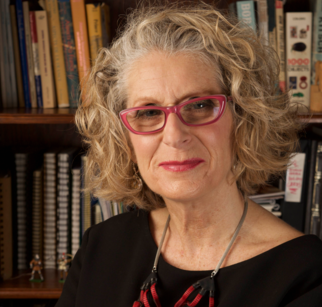
Simone P. Joyaux, ACFRE is recognized internationally as an expert in fund development, board and organizational development, strategic planning, and management. She is the founder and director of Joyaux Associates.

More about: Financial ManagementFundraisingPhilanthropy
See comments

You might also like
For Movements to Win, Organize People and Money
Farhad Ebrahimi
Blue-State Pensions Are Subsidizing the Billionaire Takeover: This Must Stop!
Sara Myklebust and Aditi Sen
Does Personal Investment Hurt Fundraising?
Rochelle Jerry
For Every $100 Foundations Give, Only 19 Cents Go to Volunteer Support
Jan Masaoka
Making Sense of GivingTuesday 2025
Isaiah Thompson
Blocking Authoritarianism: Steps Nonprofits and Foundations Must Take
Saqib Bhatti

Upcoming Webinars

Group Created with Sketch.
January 29th, 2:00 pm ET

Participatory Decision-making

When & How to Apply Inclusive Decision-making Methods

Register
Group Created with Sketch.
February 26th, 2:00 pm ET

Understanding Reduction in Force (RIF) Law

Clear Guidance for Values-centered Nonprofits

Register

    
You might also like
A floating ball of dollar bills, symbolizing the organization and control of money.
For Movements to Win, Organize People and Money
Farhad Ebrahimi
A pair of pliers cutting a blue wire, symbolizing cutting off blue-state funding sources for Trump.
Blue-State Pensions Are Subsidizing the Billionaire...
Sara Myklebust and Aditi Sen
A wooden bridge leading to an forested area, representing how personal investment should be a bridge, not a business model.
Does Personal Investment Hurt Fundraising?
Rochelle Jerry

Like what you see?

Subscribe to the NPQ newsletter to have our top stories delivered directly to your inbox.

See our newsletters

By signing up, you agree to our privacy policy and terms of use, and to receive messages from NPQ and our partners.

  • About
  • Advertise
  • Careers
  • Contact
  • Copyright
  • Donate
  • Editorial Policy
  • Funders
  • Submissions

We are using cookies to give you the best experience on our website.


Nonprofit Quarterly | Civic News. Empowering Nonprofits. Advancing Justice.
Powered by  GDPR Cookie Compliance
Privacy Overview

This website uses cookies so that we can provide you with the best user experience possible. Cookie information is stored in your browser and performs functions such as recognising you when you return to our website and helping our team to understand which sections of the website you find most interesting and useful.

Strictly Necessary Cookies

Strictly Necessary Cookie should be enabled at all times so that we can save your preferences for cookie settings.