logo logo
Fund the truth. #Wethecivic giving banner
Donate
    • Membership
    • Donate
  • Social Justice
    • Racial Justice
    • Climate Justice
    • Disability Justice
    • Economic Justice
    • Food Justice
    • Health Justice
    • Immigration
    • LGBTQ+
  • Civic News
  • Nonprofit Leadership
    • Board Governance
    • Equity-Centered Management
    • Finances
    • Fundraising
    • Human Resources
    • Organizational Culture
    • Philanthropy
    • Power Dynamics
    • Strategic Planning
    • Technology
  • Columns
    • Ask Rhea!
    • Ask a Nonprofit Expert
    • Gathering in Support of Democracy
    • Humans of Nonprofits
    • The Impact Algorithm
    • Living the Question
    • Nonprofit Hiring Trends & Tactics
    • Notes from the Frontlines
    • Parables of Earth
    • Reimagining Philanthropy
    • State of the Movements
    • We Stood Up
    • The Unexpected Value of Volunteers
  • Newsletters
  • NPQ Online Events
    • Premium Webinars
    • Learn Out Loud
    • Partner Events
    • On Demand
  • Leading Edge Membership

A New Kind of Mega-Grant Announced to Connecticut Public Schools

Ruth McCambridge
April 9, 2019
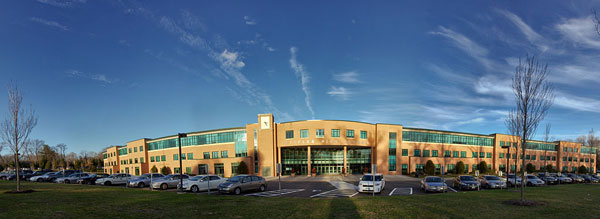
WestportWiki [CC BY-SA 3.0], via Wikimedia Commons

April 8, 2019; Connecticut Mirror

Last Friday, the Dalio Philanthropies, founded by billionaire hedge fund couple Ray and Barbara Dalio, announced a $100 million pledge to Connecticut’s poorest public schools. (The annual state public school budget is close to $3 billion). That donation is to be matched by another $100 million in private money. The state is also asked to set aside $100 million from its budget as a match. Combined, the $300 million is intended to be used by schools in areas of the state which are lower income and where the schools are struggling to make ends meet. But the state legislature may be incapable of making the gift work.

“It’s a great concept and I’m excited that the Dalio Foundation is investing in the area of public schools that are the most neglected—the social and emotion development of our students,” said Rep. Toni E. Walker, D-New Haven, longtime co-chairwoman of the Appropriations Committee. “But this is complicated. The question is ‘How do we blend it into the budget situation that we face right now?’”

“Clearly it’s good news that the Dalio Foundation wants to help,” said Rep. Gail Lavielle of Wilton, ranking House Republican on the Appropriations Committee. “But we need to know more about the state’s responsibility. We still represent all of the taxpayers.”

Ray and Barbara Dalio, who Forbes has estimated are worth $18.4 billion, announced their plan last Friday at East Hartford High School while declaring their admiration for public schools as they now exist.

“I love public education. I’m always humbled and inspired by everything you do,” Barbara Dalio, who leads the foundation, told hundreds of students, teachers and administrators gathered at East Hartford High School to announce the contribution. “You are amazing.”

Sign up for our free newsletters

Subscribe to NPQ's newsletters to have our top stories delivered directly to your inbox.

By signing up, you agree to our privacy policy and terms of use, and to receive messages from NPQ and our partners.

Ray Dalio, who heads the world’s largest hedge fund, Bridgewater Associates, said he grew up in a “lower-middle class” household and was fortunate “to have parents and teachers who cared for me.”

Thus, the plan not only appears to be asset-based but that asset acknowledgement also, as it is now described, appears to create an opening for tailored community-based learning environments connected to educational opportunity.

Commissioner of Education Dianna Wentzell said the partnership “represents and confirms the state’s commitment to fulfill the promise of equity and excellence for all Connecticut students by bringing together a diverse set of stakeholders to provide the support, resources and pathways necessary to create learning environments that engage students and transform the educational experiences and outcomes of thousands of young people across the state,  especially traditionally underserved students and communities.”

For example, partnerships with community-based entrepreneurs could be formed to create new mentorship programs for students, according to Lamont’s office. Nonprofits, high schools and colleges might work together to connect graduates with new jobs in cutting-edge fields.

—Ruth McCambridge

Our Voices Are Our Power.

Journalism, nonprofits, and multiracial democracy are under attack. At NPQ, we fight back by sharing stories and essential insights from nonprofit leaders and workers—and we pay every contributor.

Can you help us protect nonprofit voices?

Your support keeps truth alive when it matters most.
Every single dollar makes a difference.

Donate now
logo logo logo logo logo
About the author
Ruth McCambridge

Ruth is Editor Emerita of the Nonprofit Quarterly. Her background includes forty-five years of experience in nonprofits, primarily in organizations that mix grassroots community work with policy change. Beginning in the mid-1980s, Ruth spent a decade at the Boston Foundation, developing and implementing capacity building programs and advocating for grantmaking attention to constituent involvement.

More about: Nonprofit NewsPhilanthropy
See comments

Sidebar-WTC
You might also like
How Can Conservation Programs Better Connect to Farmers?
Jaycie Thomsen
How America’s Independence from England Revolutionized US Philanthropy
Amanda Moniz
The Boardroom Belongs to the Community
Kristin Lincoln
The Protesters Know Something Philanthropy Doesn’t
Bia Vieira
Built for a Time Such as This: How ABFE Used a Tumultuous Time in History to Uplift Its Community
Chelsea Crandall
Rethinking Wealth and How We Deploy It—Strategically
Rebecca Vilkomerson and Chanelle Gallant

Upcoming Webinars

Group Created with Sketch.
June 25, 2:00 pm ET

Reframing Organizational Risk

Register
Group Created with Sketch.
July 16, 2:00 pm ET

Readying for the 2026 Midterms

How 501(c)(3)s Can Educate and Advocate During this Election Season

Register

    
You might also like
How Can Conservation Programs Better Connect to Farmers?
Jaycie Thomsen
John Trumbull's painting, Declaration of Independence, depicting the five-man drafting committee of the Declaration of Independence presenting their work to the Congress.
How America’s Independence from England Revolutionized US...
Amanda Moniz
A single yellow rubber duck standing out in front of many identical rubber ducks.
The Boardroom Belongs to the Community
Kristin Lincoln

Like what you see?

Subscribe to the NPQ newsletter to have our top stories delivered directly to your inbox.

See our newsletters

By signing up, you agree to our privacy policy and terms of use, and to receive messages from NPQ and our partners.

  • About
  • Advertise
  • Careers
  • Contact
  • Copyright
  • Donate
  • Editorial Policy
  • Funders
  • Media Relations
  • Privacy Policy
  • Submissions

We are using cookies to give you the best experience on our website.


Nonprofit Quarterly | Civic News. Empowering Nonprofits. Advancing Justice.
Powered by  GDPR Cookie Compliance
Privacy Overview

This website uses cookies so that we can provide you with the best user experience possible. Cookie information is stored in your browser and performs functions such as recognising you when you return to our website and helping our team to understand which sections of the website you find most interesting and useful.

Strictly Necessary Cookies

Strictly Necessary Cookie should be enabled at all times so that we can save your preferences for cookie settings.