Update: On November 9, 2026, the Supreme Court lifted the court order that had halted border wall construction across the Big Bend area since early October, allowing the Trump administration to resume construction work.
A small Texas nonprofit could soon have a case before the United States Supreme Court challenging the Trump administration’s plan to build a wall along the U.S.–Mexico border.
It is a surreal experience for the volunteer board members of Friends of the Ruidosa Church, a nonprofit founded in the early 2000s to preserve and breathe new life into an adobe church built along the Rio Grande in the small West Texas town of Ruidosa about a century earlier. Experts believe border wall construction could cause the fragile church to collapse; now the organization finds itself in court fighting to save the sacred site and honor the rich and entangled histories of the borderlands.
“What comes to mind is David and Goliath,” said Mike Green, Friends of the Ruidosa Church’s board president. “I wouldn’t have imagined in my wildest dreams that this would be happening [and] I just hope that we get out on the other end and still have our beautiful stretch of river intact.”
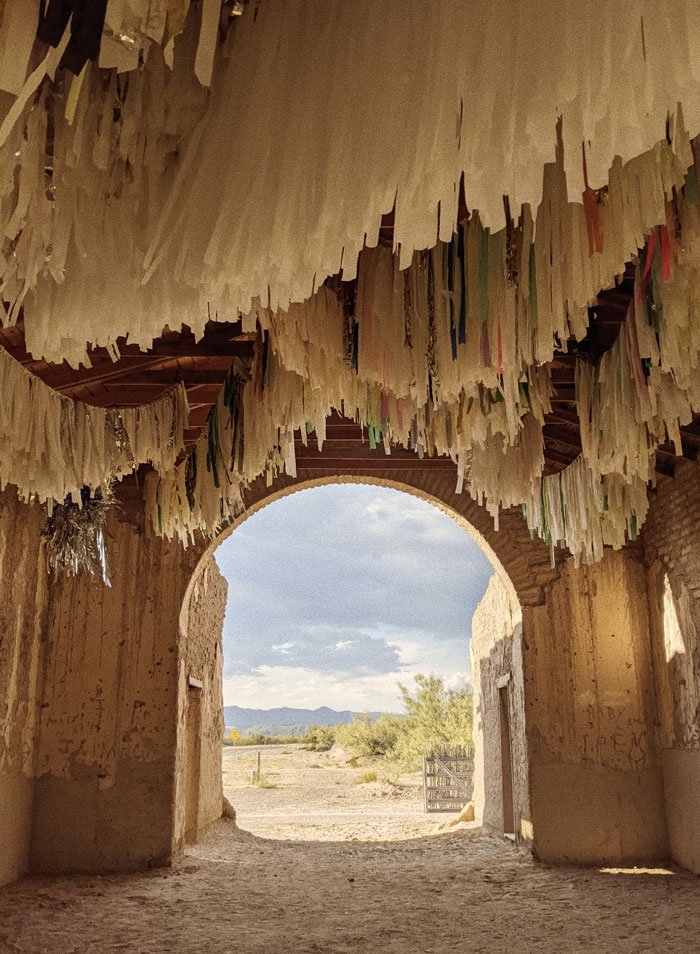
“Pictures don’t capture the feeling you get when you’re in the church, and you look out the back door through the arch, and you see the Chinatis—it’s a really spiritual feeling.”
The church, called El Corazón Sagrado de la Iglesia de Jesús (The Sacred Heart of the Church of Jesus) also known as Ruidosa Church, sits only a couple of hundred meters from the Rio Grande as the river curls southeast toward a prominent bend. The surrounding Big Bend area and Big Bend National Park are named for that distinctive curve. On the church’s opposite side, the blue-green Chinati Mountains rise above Ruidosa and the neighboring towns of Marfa and Presidio in Texas.
When the Trump administration issued waivers of various environmental and conservation laws earlier this year to begin construction in the Big Bend region, the threat to the church felt immediate, and Friends of the Ruidosa Church agreed to become a plaintiff in a federal lawsuit to halt construction in the area. Friends of the Ruidosa Church v. Mullin et al. was filed in district court in the Western District of Texas in April, challenging the federal government’s use of those sweeping legal waivers.
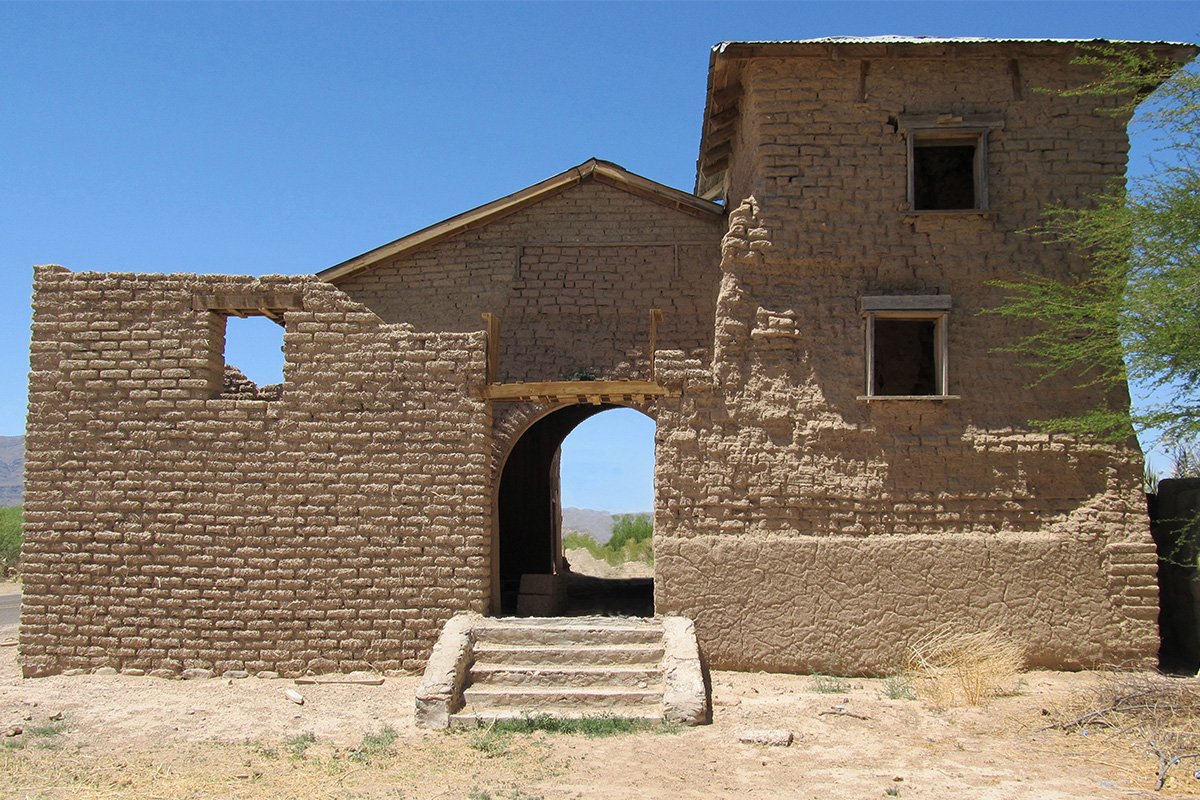
Ruidosa Church was built in 1915 to serve Latino-majority farming communities on either side of the Rio Grande. The adobe structure is a scaled-down frontier version of a traditional Catholic church featuring two pyramidal-roofed towers, one on either side of a central entrance hall. Its four freestanding adobe arches are believed to be the largest left in Texas. “Pictures don’t capture the feeling you get when you’re in the church, and you look out the back door through the arch, and you see the Chinatis—it’s a really spiritual feeling,” said Martha Stafford, Friends of the Ruidosa Church’s board treasurer.
For decades, generations gathered at the church for baptisms, quinceañeras, weddings, funerals, and celebrations. But it was abandoned in the 1950s as the area’s farming population declined because of a lack of water for irrigation. Without regular maintenance, the fragile structure soon fell into disrepair. By the 1990s, one of the building’s towers had collapsed, and the Catholic Diocese of El Paso, which then owned the property, announced plans to demolish what remained.
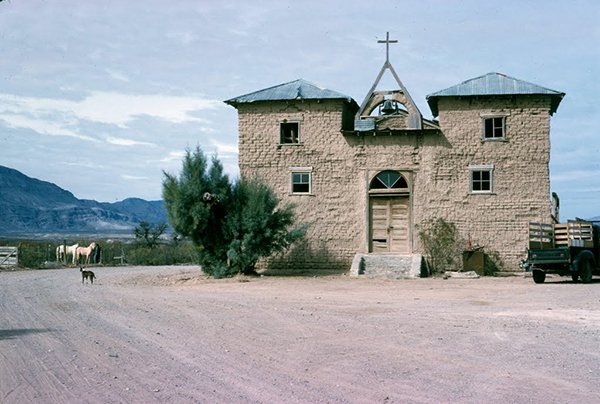
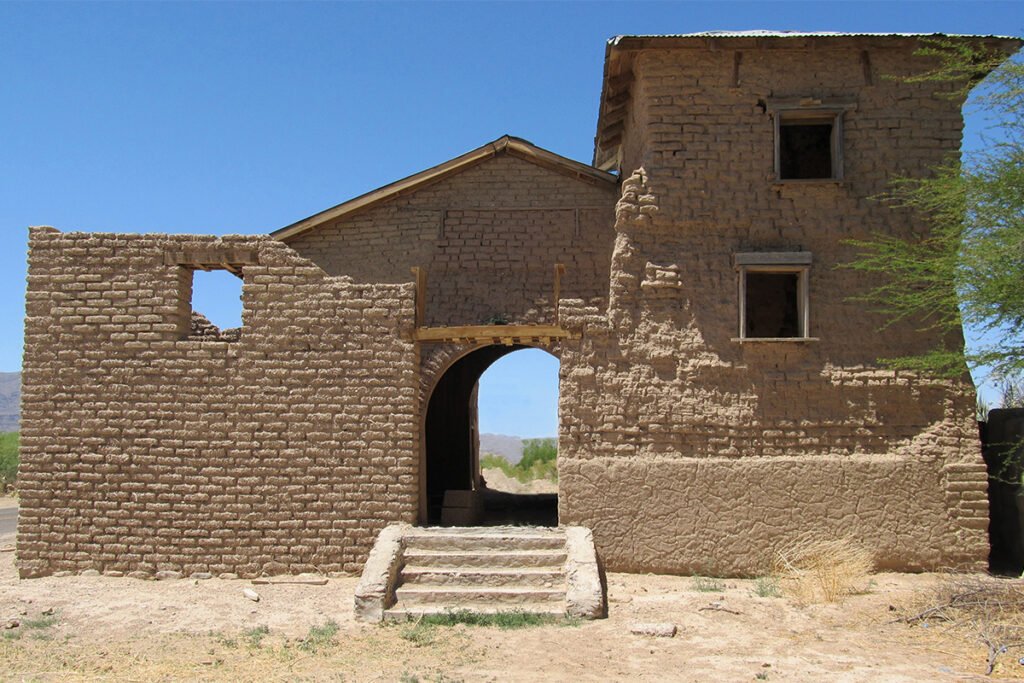
Friends of the Ruidosa Church grew out of a successful grassroots effort to halt that demolition. Still, it was not until 2004 that the group secured support from the Texas Historical Commission, the National Trust for Historic Preservation, and the Presidio County Historical Commission to undertake stabilization and partial restoration work. Eventually, in 2020, the organization took title to the property after the diocese transferred it to Presidio County, which in turn transferred it to the nonprofit.
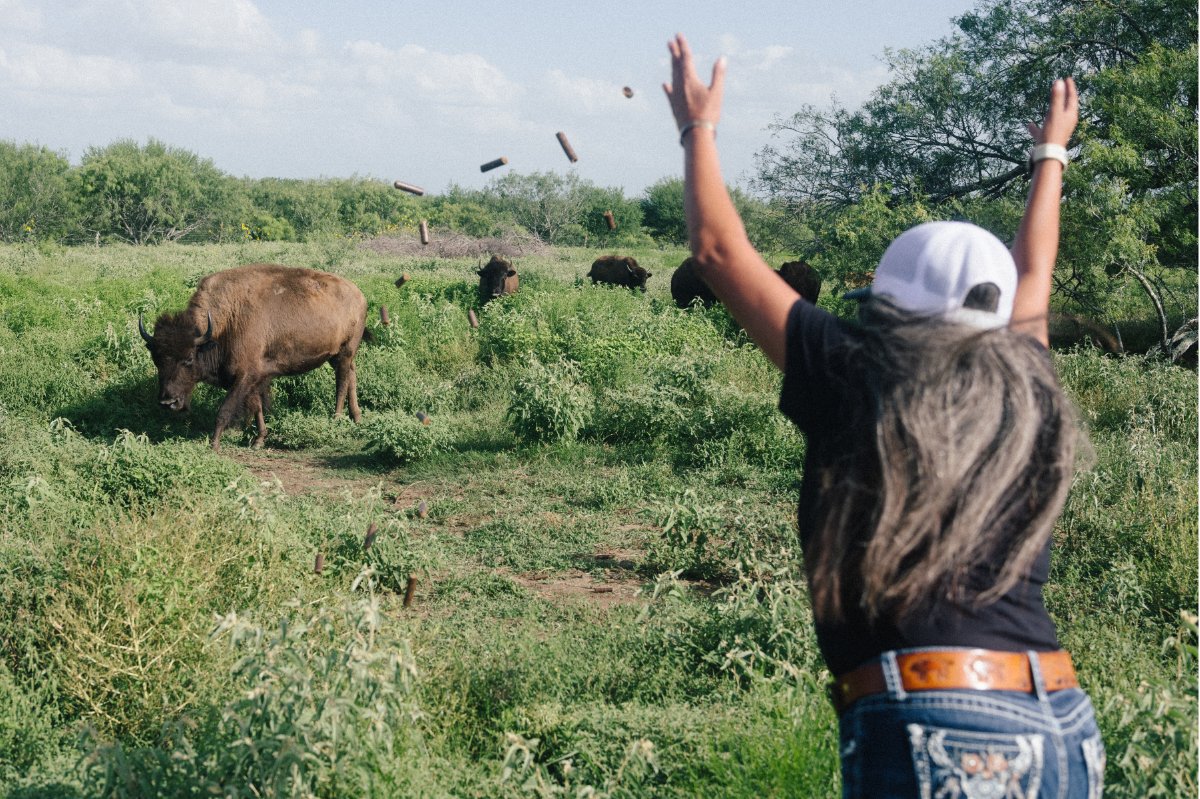
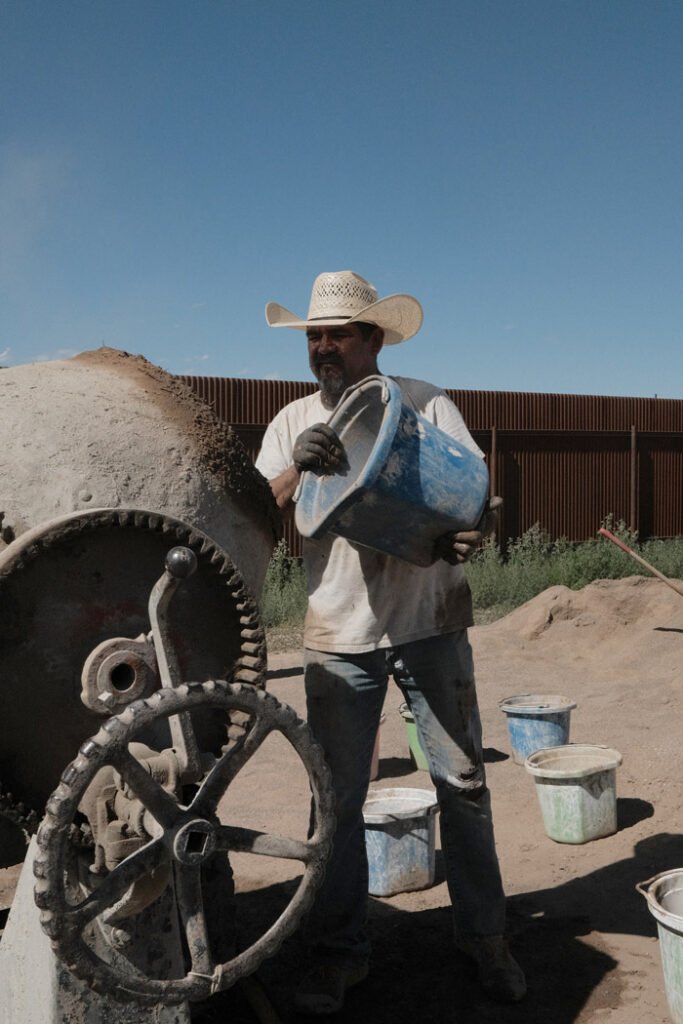
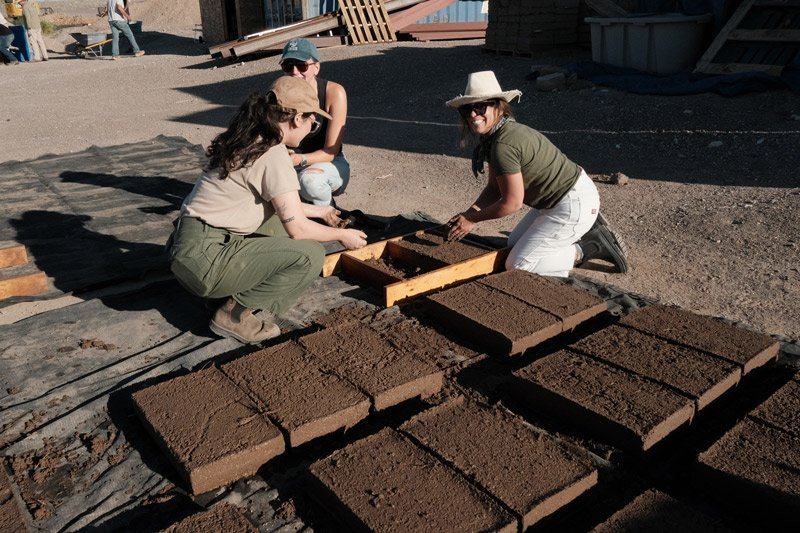
Since taking title to the property, Friends of the Ruidosa Church has transformed it into a beloved community gathering place drawing locals from Ruidosa and across the Big Bend area for regular events. At its annual autumn gathering, attendees learn about progress on the site’s preservation and enjoy an exhibition of regional art and traditional Matachín dancing. Many also join regular adobe-making workshops in either Ruidosa or Marfa, where they form hundreds of bricks per session to contribute to the church’s restoration.
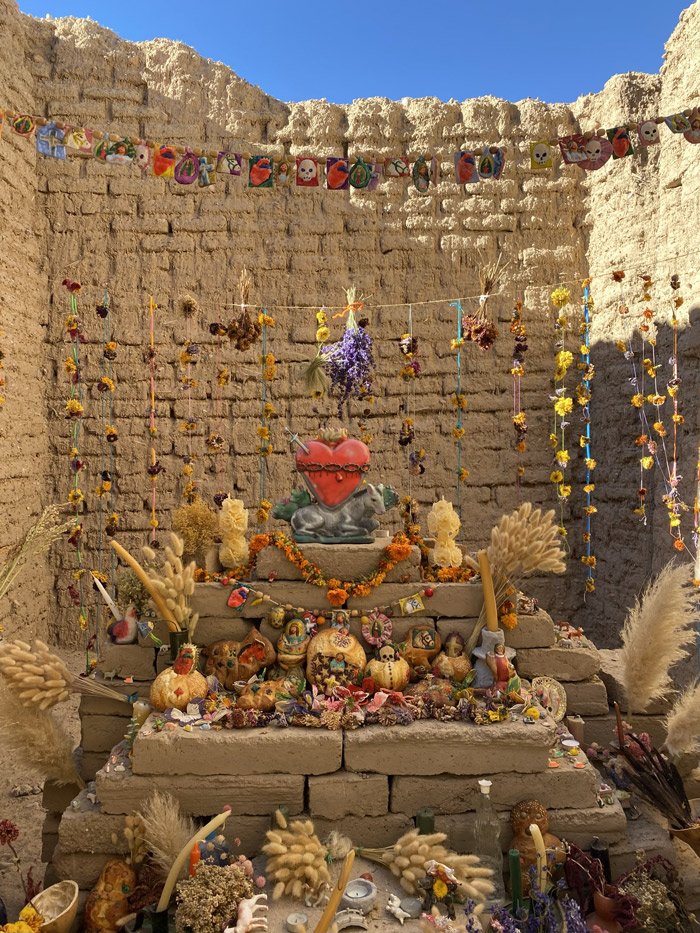
More recently, the site has gained national recognition for its historical value and the risk that, without support, it could be lost to time. This year, it was named to the National Trust for Historic Preservation’s list of America’s 11 Most Endangered Historic Places, which came with a one-time $25,000 grant in recognition of America 250, to be used to market the organization’s community programming, make progress on rebuilding the collapsed tower, and cover other restoration work. It was also on Latinos in Heritage Conservation’s list of endangered Latinx landmarks last year.
Sections of the border wall that President Donald Trump campaigned on are slated for construction only about 400 yards from the church.
Sign up for our free newsletters
Subscribe to NPQ's newsletters to have our top stories delivered directly to your inbox.
By signing up, you agree to our privacy policy and terms of use, and to receive messages from NPQ and our partners.
The church’s location along the Rio Grande and its historic role in serving communities on both sides of the border are part of what has earned it growing recognition. It is also a significant site because of its traditional adobe architecture. “The church is an existing reminder of agricultural communities that were on the border,” Green said. “[It] was handmade by local citizens, who cast the adobe bricks and worked together as a community, represent[ing] collaborative effort, sacrifice, and hard work to do something meaningful.”
At an evidentiary hearing on October 2, District Judge Kathleen Cardone agreed that the plaintiffs could experience irreparable harm if border wall construction continued while the case progressed and temporarily barred the government from continuing construction in the Big Bend region until and unless it complies with environmental and other applicable laws.
But as the site gains wider recognition and momentum for its preservation, it also faces a new, existential threat: Sections of the border wall that President Donald Trump campaigned on are slated for construction only about 400 yards from the church. The government has already awarded five contracts in the Big Bend area totaling more than $6 billion to install a mix of 30-foot steel bollard fencing, vehicle barriers, and new surveillance technologies.
Customs and Border Patrol Commissioner Rodney S. Scott said in an August statement that construction in the Big Bend area, which is about a quarter of the 2,000-mile-long border with Mexico, is intended to help border patrol “detect illegal crossings [and] respond faster.” The government has also characterized the area as one of “cartel incursions, drug trafficking, and illegal entry.” But the government’s own data show border crossings in the rural area marked by rugged terrain are infrequent; the area sees the lowest number of unauthorized crossings along the entire southern border.
Experts are concerned that vibrations from heavy equipment hauling past the church, and from constructing the border wall itself, could destabilize the fragile adobe structure and even cause it to collapse. In the legal complaint, plaintiffs allege that it is “similar to a seismic event” that could “cause permanent damage to historical buildings” including Ruidosa Church, which is made of adobe.
“Our biggest threat right now is the border wall,” Stafford added. “When they start bringing in the heavy equipment, it passes right in front of the church [and] the vibration from this equipment can really destabilize the arches—and that’s just pass-through traffic.”
A decision on whether the Supreme Court will take up the case and allow the case to continue in the lower court with the injunction in place is expected soon.
When construction on the wall began in the Big Bend area in August, the legal team filed for an injunction, an order from a judge to pause construction until the case could be decided. “It became apparent that if we just waited for the case to be decided, irreparable harm would occur to our clients—the park would be forever altered, and historical resources lost,” said Shannon Labuschagne, an associate attorney at the Center for Biological Diversity, who is working on the case.
At an evidentiary hearing on October 2, District Judge Kathleen Cardone agreed that the plaintiffs could experience irreparable harm if border wall construction continued while the case progressed and temporarily barred the government from continuing construction in the Big Bend region until and unless it complies with environmental and other applicable laws. Green, who testified about the possible harms to Ruidosa Church at the hearing, said it was an emotional day in court.
“There was not a dry eye in the house,” Green said. “Tears of joy, basically, and we feel like we’re a community and it’s very heartwarming that our community is coming together.”
Despite the historic win, the legal struggle is far from over. On October 21, the Trump administration went to the Supreme Court to ask the justices to pause the district court’s order and review and reverse its decision. A decision on whether the Supreme Court will take up the case or, instead, allow it to continue in the lower court with the injunction in place is expected soon.
Green said Ruidosa Church represents a unique part of the nation’s past that needs to be remembered and honored now more than ever. “The border wall is so deeply distressing and hurtful and just the opposite of the symbol of the church,” he said. “The church stands for love and connectedness, and the wall is hate and fear.”