
As told to Brian Calvert | Photography by Stella Kalinina
Farming 250, A Series with Civil Eats, focuses on the question is being asked: What does America look like right now? In this new series, Farming 250, Civil Eats seeks to answer that question from the soil up. The newsroom is partnering with NPQ for the #WeTheCivic America 250 campaign.
This piece was originally published on Civil Eats and can be read here.
I had a grandfather who was a jardinero, so he would maintain people’s gardens. Sometimes I would go to work with him and watch him do his work, hold his tools. In his own home he grew like five different orange trees, he had an apple tree, he always had a variety of chiles. He even had a section with nopales, with chicken wire around it so we wouldn’t fall into it.
So, I did grow up around urban gardening, or just a garden in general.
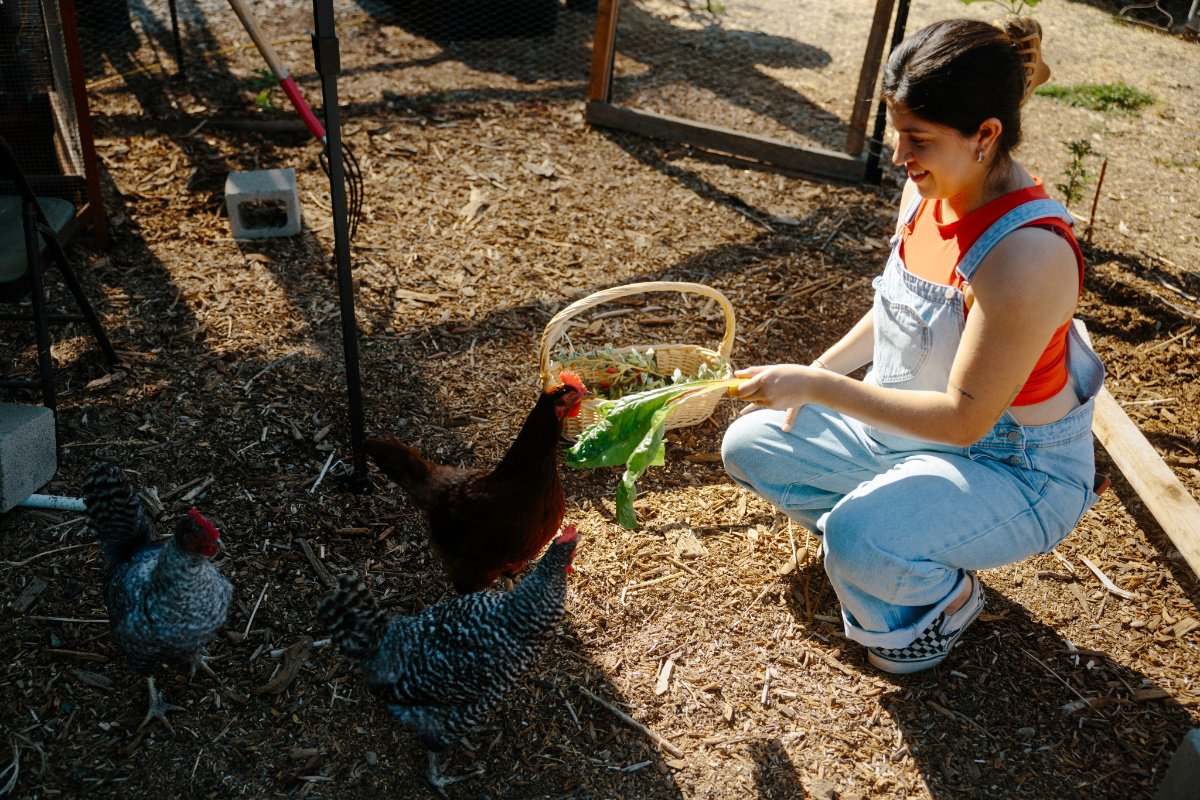
This was here in Los Angeles, in Highland Park. And then my other grandpa lived closer to East LA. He had an apartment, but in the complex they had a communal area, and in that communal area they had a lime tree, and my grandpa would care for chickens that lived under the tree. I remember going out there and having to feed them, and running away from them because I didn’t want to get pecked.
I remember early on what it meant for me to have culturally rich foods—Mexican cuisine that was so delicious and memorable.
I remember early on what it meant for me to have culturally rich foods—Mexican cuisine that was so delicious and memorable. I remember my favorite dishes, and I’m still so lucky that my grandmother can make me those dishes to this day. Also, we would walk to the local grocery store together, a very small, central Hispanic market.
I was around 12 when I moved away from my grandparents, to the San Fernando Valley. I remember how far everything felt; it wasn’t within walking distance anymore, and I just didn’t feel connected to my food. I ate fast food every single day.
Sign up for our free newsletters
Subscribe to NPQ's newsletters to have our top stories delivered directly to your inbox.
By signing up, you agree to our privacy policy and terms of use, and to receive messages from NPQ and our partners.
No shade to my parents—they were working from like 5 a.m. to 7 p.m., so we ate what we could—but I went from nourishing meals with my grandmother, who would cook every single evening for a whole group of family members, to just picking up some fast food.
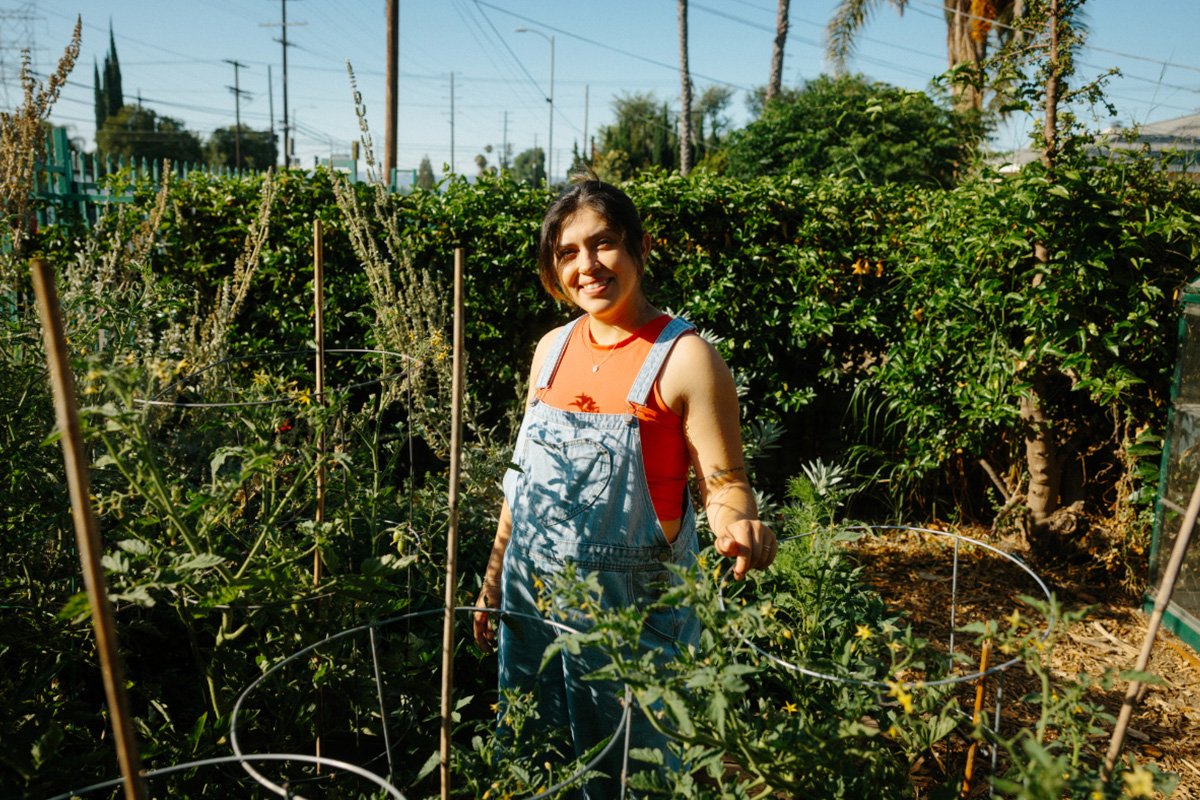
Today, I would describe the work that Shift Our Ways Collective does by explaining it as a learning farm. We host workshops that focus on growing food, building that confidence, so people feel excited but also confident in their skills to grow their own food at home. But they can also come and grow with us.
I think success in the food system would look like kids being able to identify more of their produce than they can brands.
Our two backyard farms are urban green spaces that have educational components, that’s what that workshop part is. We have eight educators who are specific to farming. We have an agroecology teacher. We have a native plant educator on site.
I think that is what allows us to provide a little bit more insight. We have farmers on site that you can learn from directly, and we want to connect it to the work that farmers do. We do advocate for farmers’ rights. That’s the distinction we want to make between a community garden and our backyard farms.
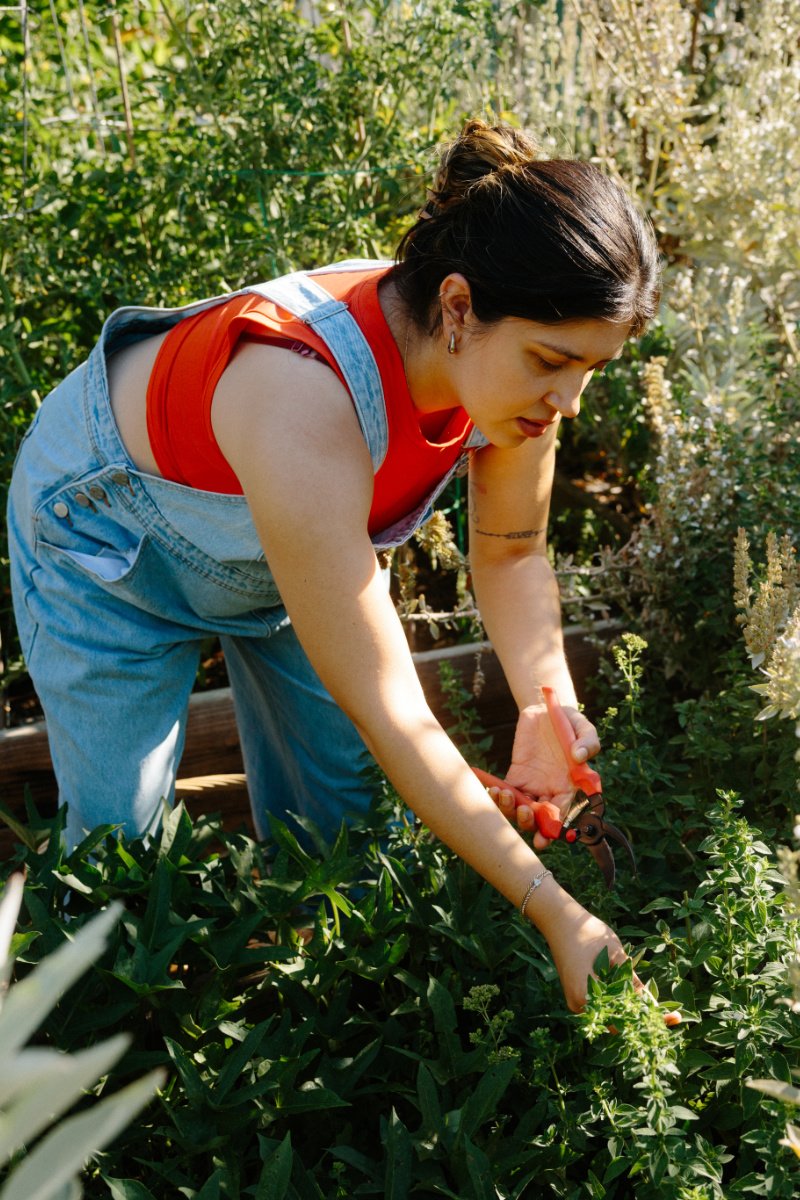


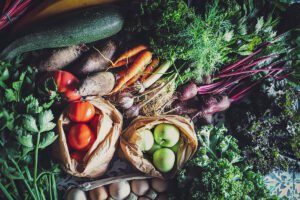
There’s no fee for growing in our plots. They’re open to everybody. You just come during open hours, get your hands in the soil with us, and leave with some fresh produce.
Our most exciting days are our “Get Out and Garden” days because they’re all catered toward intergenerational programming. We see a lot of grandparents with their grandchildren, as young as two years old, participating.
I think success in the food system would look like kids being able to identify more of their produce than they can brands. I would love to see kids who could see a plant and be like, “My gosh, that’s where my raspberries come from, that’s where my strawberries come from.”
I definitely see that as success, but I think more backyard farms are necessary to bring back that trust, and bring back what it should mean to be in community, to be a good neighbor. I remember my grandma sending me with pots of food to share with our neighbors, and I think we’re representing our grandparents in that way, by sharing bags full of produce with our neighbors.