March 26, 2017; Pittsburgh Post-Gazette, “Plate”
Although some may believe that NPQ has at times been overly critical of so-called social enterprise, we are not; we simply believe such entities should justify themselves, especially when they are seen as potential cash cows or draws for larger endeavors. In general, we also hate the ways that traditional social enterprises and the lessons they can teach are routinely ignored by the too often fly-by-night new wave.
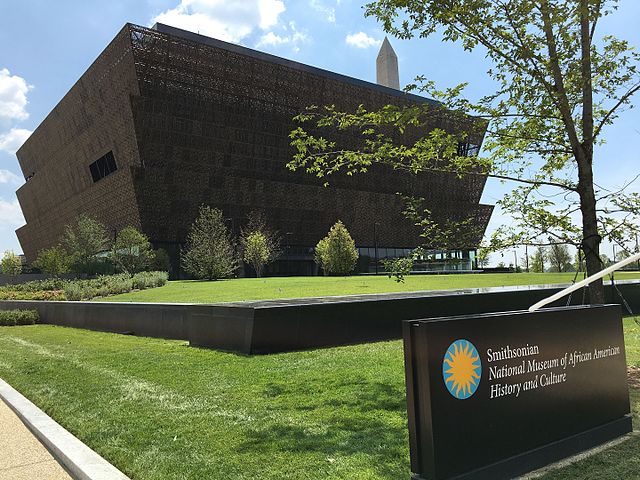
But, not only do some types of social enterprises have centuries of history, they are adapting in notable ways. Consider the field of museum restaurants, where the food itself has now become a draw. For instance, at the Smithsonian’s new National Museum of African American History and Culture, the Sweet Home Café provides a perfect accompaniment to the museum’s experience—so perfect that it was a semifinalist in the James Beard Foundation’s 2017 competition in the Best New Restaurant category. “It’s top notch with a gourmet flair. I don’t think your typical tourist expects that for museum food,” says culinary historian Adrian Miller, author of Soul Food.
Of course, there are other world-class restaurants at museums; famed restaurateur Danny Meyer’s The Modern at MOMA earned two Michelin stars last year. He also has a restaurant at the Whitney. Lists of “best museum restaurants” are now common, and on this one from the Food Network, Sweet Home is number one. Little wonder with this description:
Ingredients are sourced from local, sustainable growers when possible, and the cafe favors products from African-American-owned businesses. Those components are used in four distinct stations that represent regions deeply impacted by African-American culinary traditions. The Agricultural South station serves items like buttermilk fried chicken and Brunswick stew. At the Creole Coast station, you’ll find pan-fried Louisiana catfish po’boys. In the North States, you can try Caribbean-style pepper pots and oyster pan roasts, and at the Western Range, you can order dishes like “Son of a Gun” stew and pan-roasted rainbow trout with cornbread.
Jerome Grant, the 34-year-old executive chef at Sweet Home Café, knows a little something about this new trend of creating restaurants that belong in a museum setting, having previously been first the sous chef and later the executive chef of the Mitsitam Native Foods Cafe at the Smithsonian’s National Museum of the American Indian. There, he said, “We were able to change museum dining,” pointing to the five separate menus from that effort, reflecting the unique food, history, and cooking techniques from the regions featured.
In this new effort, Grant’s menu has been drawn from the work of culinary historian Jessica Harris, who acts as the cafe’s culinary ambassador. The diverse menu here also reflects foods broken down by region and by stages of the African diaspora. This acknowledgement of history and context clearly fits the mission of the museum in a major way. It’s something of an exhibit in itself, and a step into recognizing the fullness of historical realities.
Sign up for our free newsletters
Subscribe to NPQ's newsletters to have our top stories delivered directly to your inbox.
By signing up, you agree to our privacy policy and terms of use, and to receive messages from NPQ and our partners.
Miller comments, “Too often, people see soul food as the whole sum of our cooking,” which can reinforce racist, negative stereotypes of African Americans. “And we’re still living with the legacy of those stereotypes.”
An article in the New York Times in 2010 describes the many factors that make a museum and an excellent restaurant a match.
A variety of factors seems to be behind the shift. One is simple economics: with the Great Recession now in its second year and donations from corporations and wealthy board members becoming harder to obtain, museums, especially those that committed to ambitious expansion plans before the downturn, are eager to tap into new sources of income.
“We built a new museum, just to open during the crisis,” said Holly Hotchner, director of the Museum of Arts and Design, which moved into the renovated 2 Columbus Circle in the fall of 2008. “When we conceived of doubling our budget, earned income became really important, and that was even before the recession. We had to find another $5 million.”
Some of the more notable museum restaurants have resulted from for-profit and nonprofit relationships, and they hold significant complexities, like placement, containment of smells, and, of course, fit. But, when they work with their surroundings, as the Sweet Home Café is purported to do, they can deliver in unexpected ways.—Ruth McCambridge
CATEGORY:
TAGS: