The Centers for Disease Control bungled the initial response to coronavirus. How will communities respond to high-level disorganization?
Weak Federal Response to Coronavirus Establishes Low, Slow Baseline
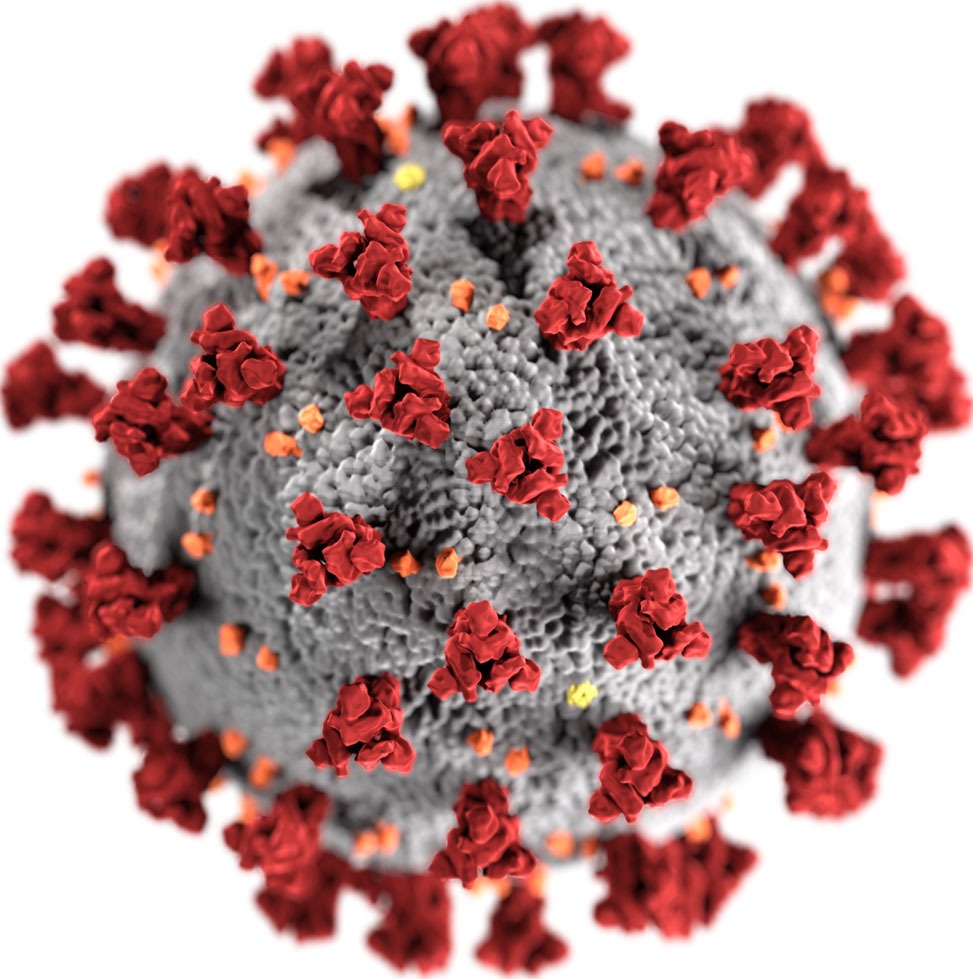



The Centers for Disease Control bungled the initial response to coronavirus. How will communities respond to high-level disorganization?

In Sonoma County, California, nonprofit theaters are seeking to adjust to a new state law that restricts the use of independent contractors.
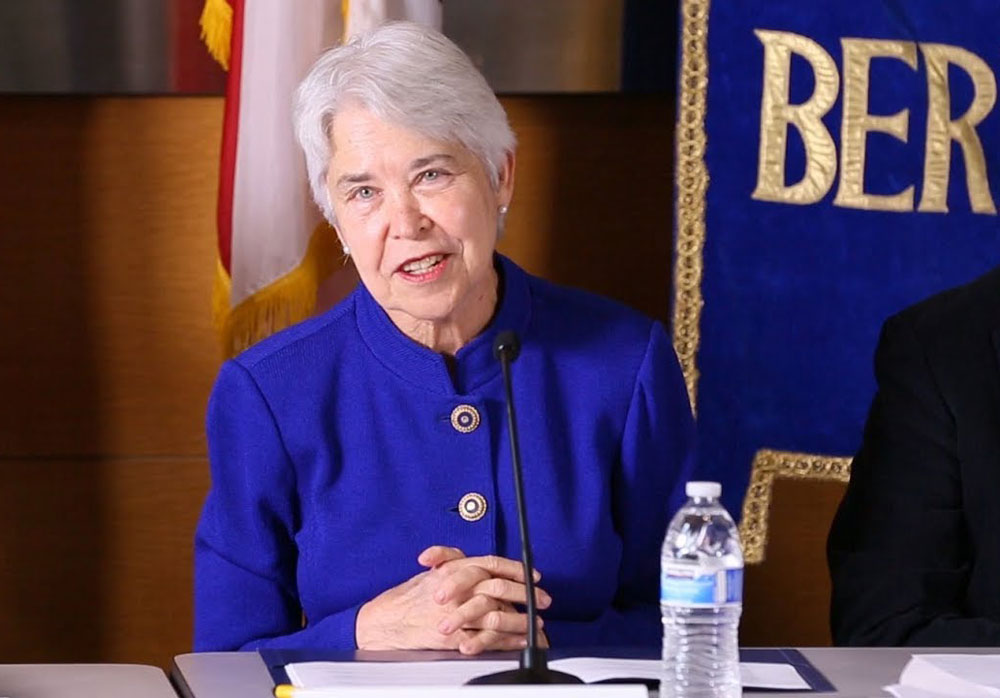
The University of California, Berkeley has launched a $6 billion capital campaign. Meanwhile, memories of a public university fade.
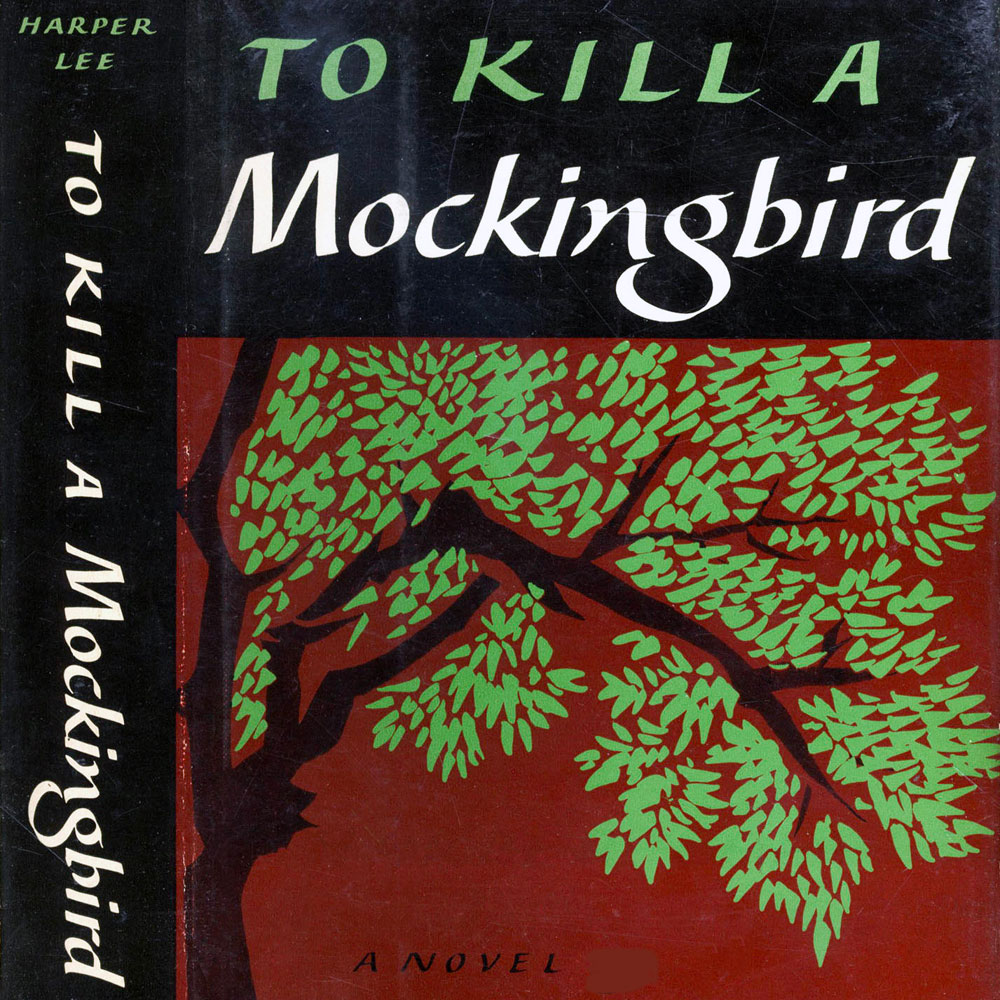
Eighteen thousand New York City students saw a free staging of “To Kill A Mockingbird” in Madison Square Garden.
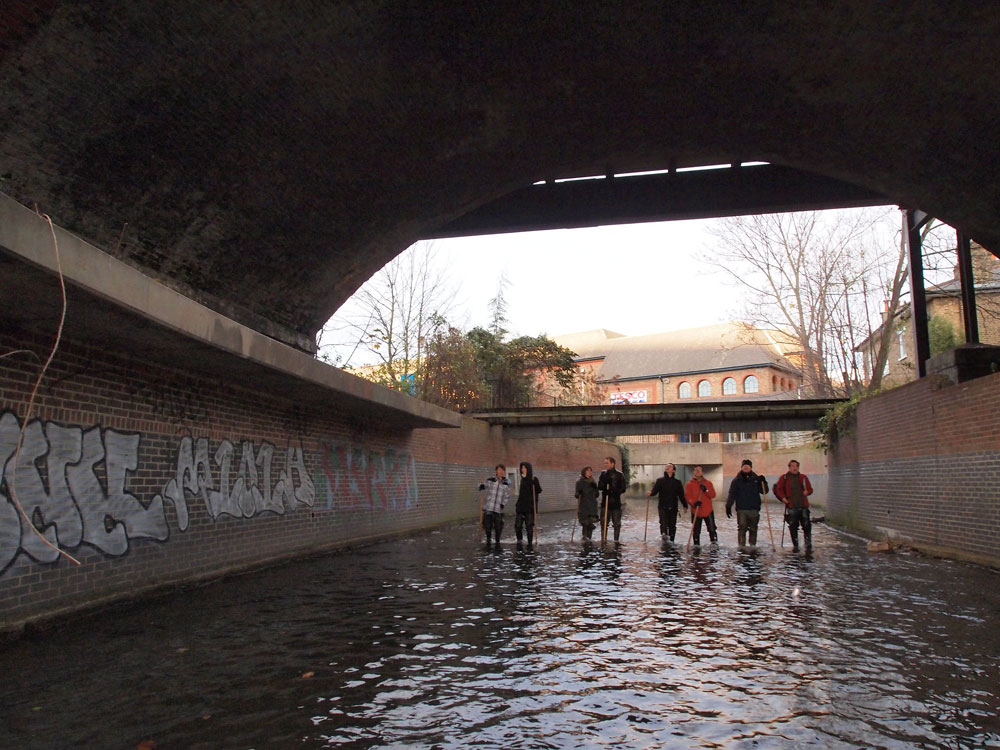
Often, urban rivers are out of sight, out of mind. We may not even know they exist. Yet restoring our oft-submerged urban waterways is critical to building healthy communities.
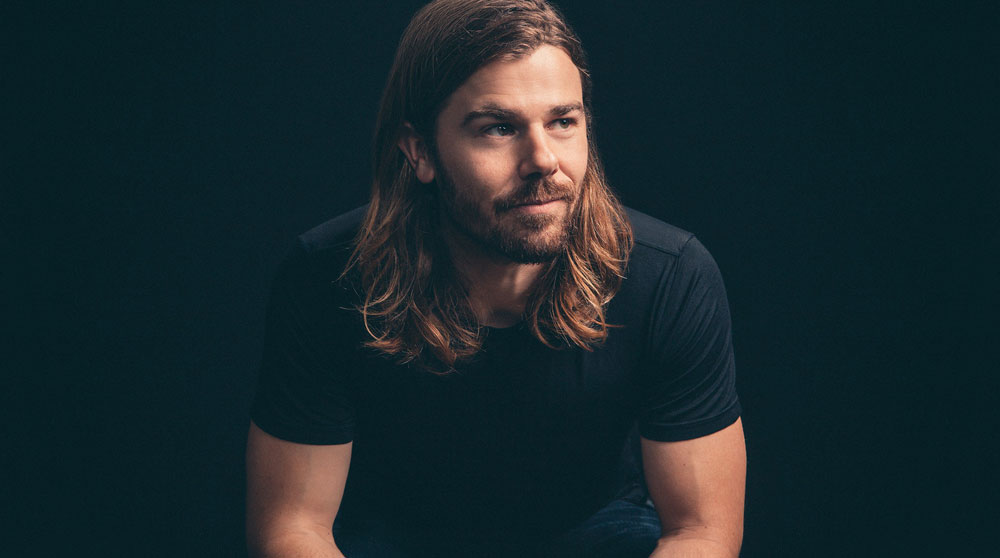
Five years ago, a CEO of a Seattle-based firm set a minimum wage for his employees at $70,000 and slashed his salary to that level; today, he’s happier than ever about it.
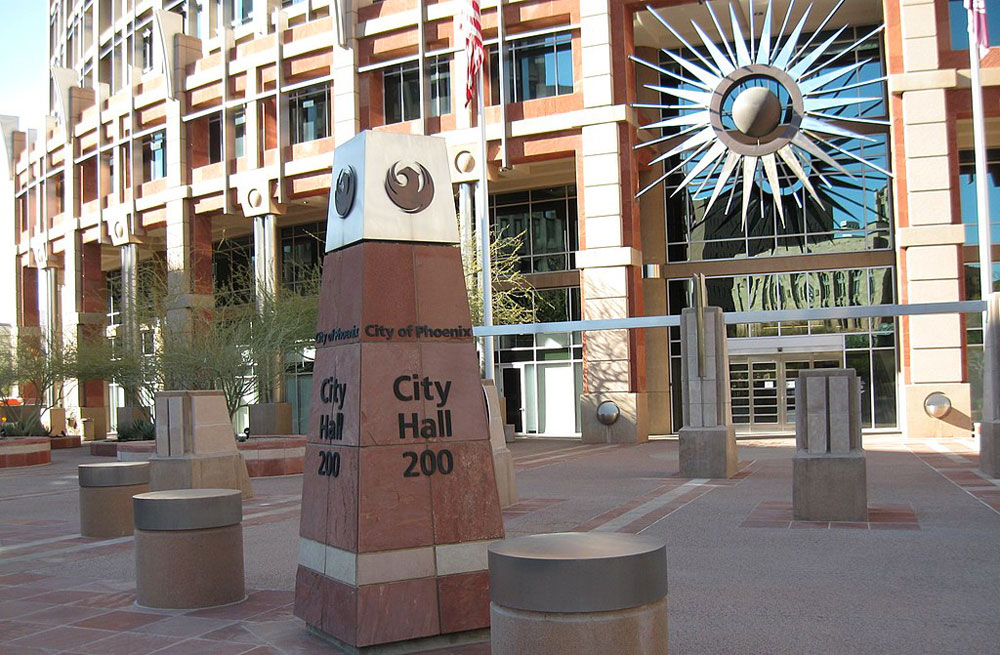
Sometimes, the voices of the community matter and elected officials are willing to listen.
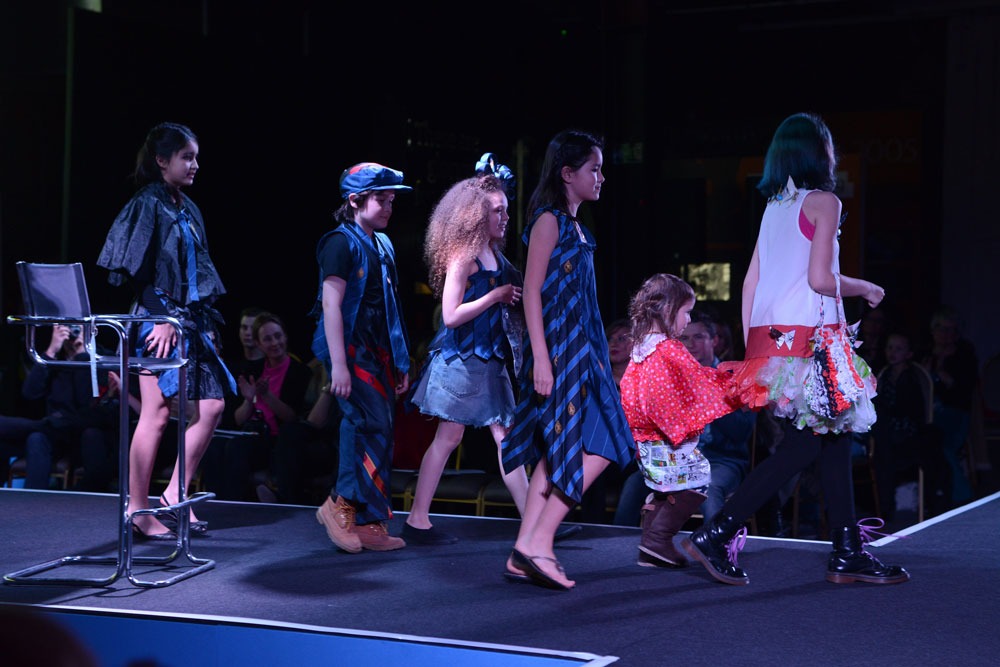
The fashion industry currently emits 1.7 billion tons of carbon dioxide a year, nearly twice what airplanes do. Can philanthropy help the industry shift to more sustainable practices?
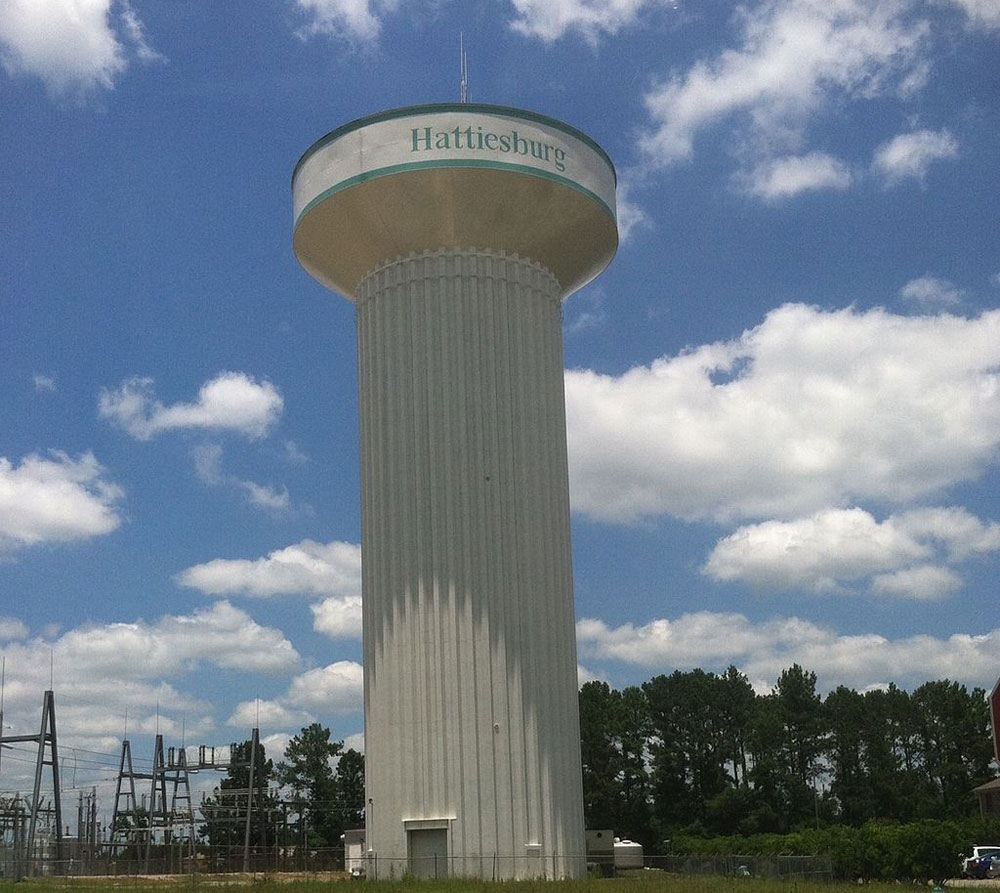
A public embezzlement scheme in Mississippi appears to involve the siphoning of $65 million in welfare dollars, at least $4 million of which ended up in private pockets.
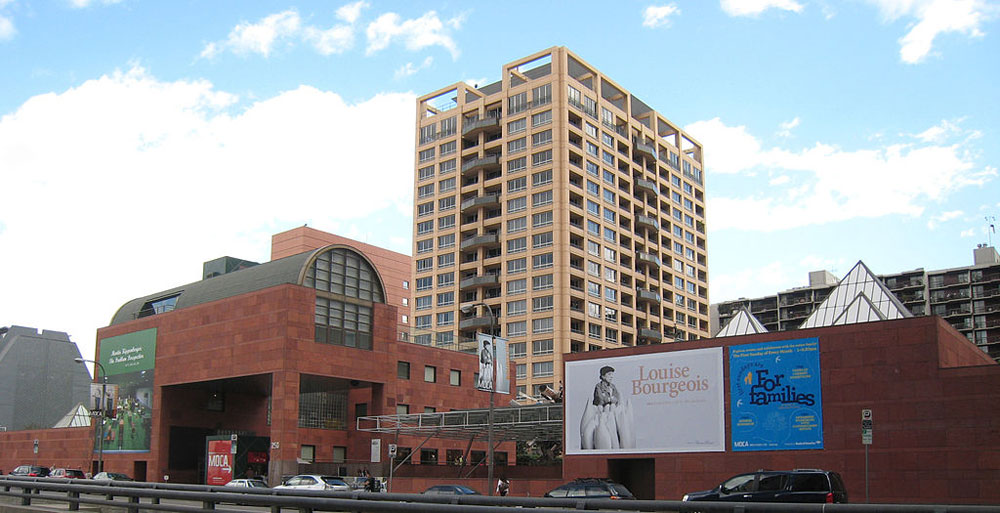
What do newly unionized art workers want? Better wages, benefits, and working conditions for sure, but also a more democratic workplace.
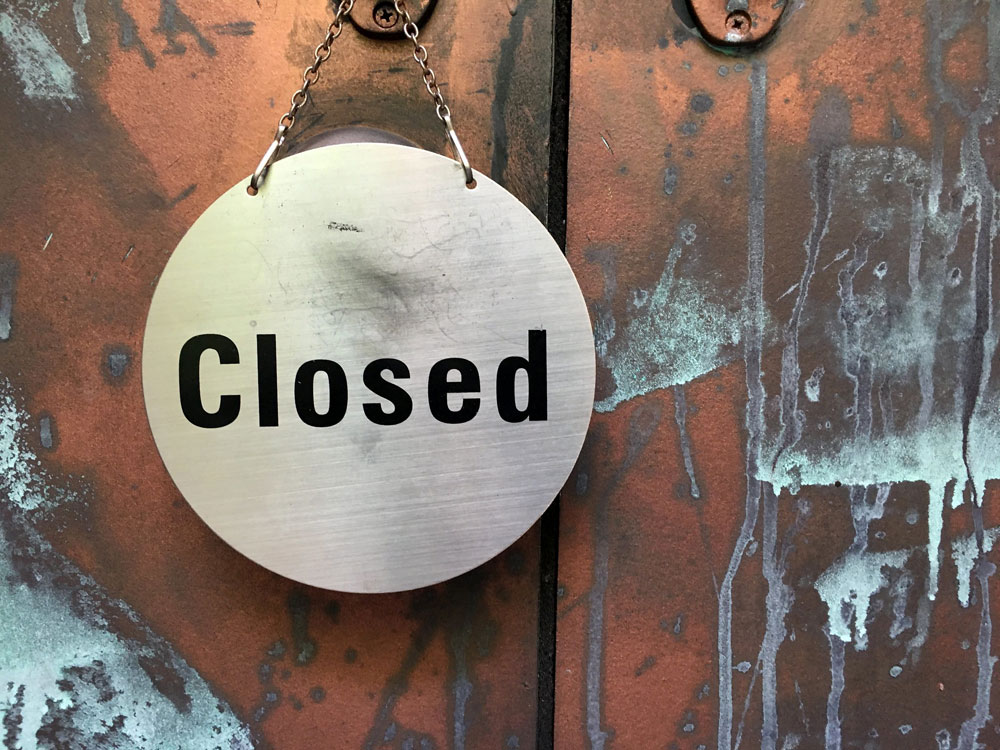
An estimated 450 rural hospitals nationwide are at risk of closing. At-risk hospitals are concentrated in states that failed to expand Medicaid.
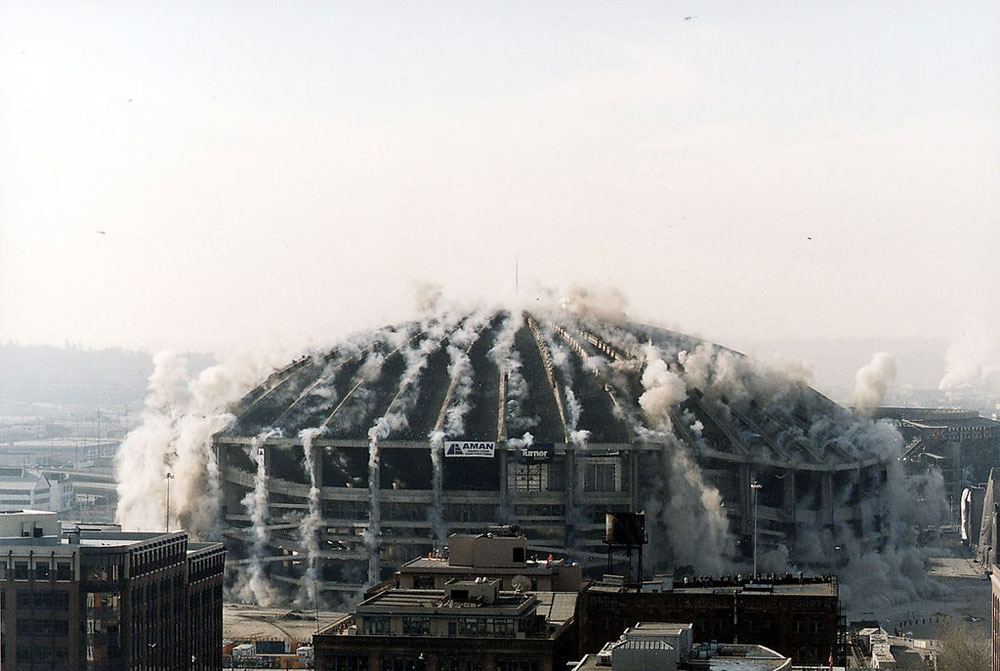
What could go wrong with a nonprofit receiving a $28 million bequest? How about failing to use that bequest to ensure long-term sustainability?