How does a community, in fact and not just in rhetoric, decolonize wealth? Panelists seek to address this central question as part of NPQ’s continuing “Remaking the Economy” webinar series.
Remaking the Economy in Indian Country




How does a community, in fact and not just in rhetoric, decolonize wealth? Panelists seek to address this central question as part of NPQ’s continuing “Remaking the Economy” webinar series.
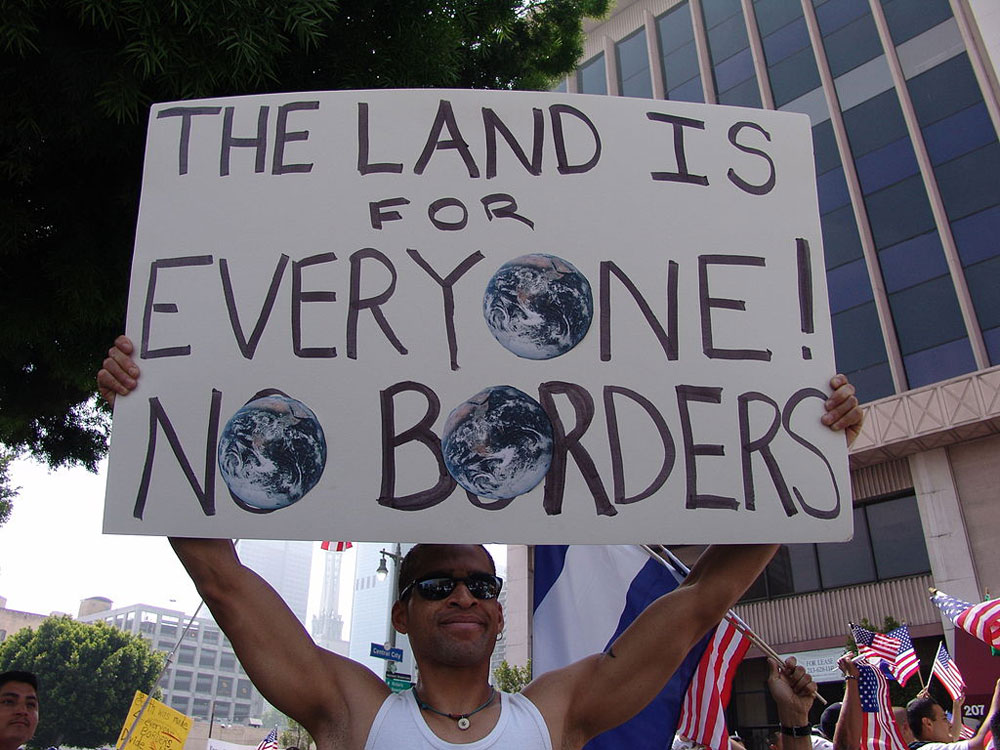
A community foundation in Charlotte faces increasing scrutiny over grants to anti-immigrant organizations coming from its donor-advised funds.

In Boston, Freedom Trail guides join an increasing wave of nonprofit employees looking for union protections.

At the University of Chicago, a scholarship program offers nonprofit and public sector professionals a highly subsidized MBA program.
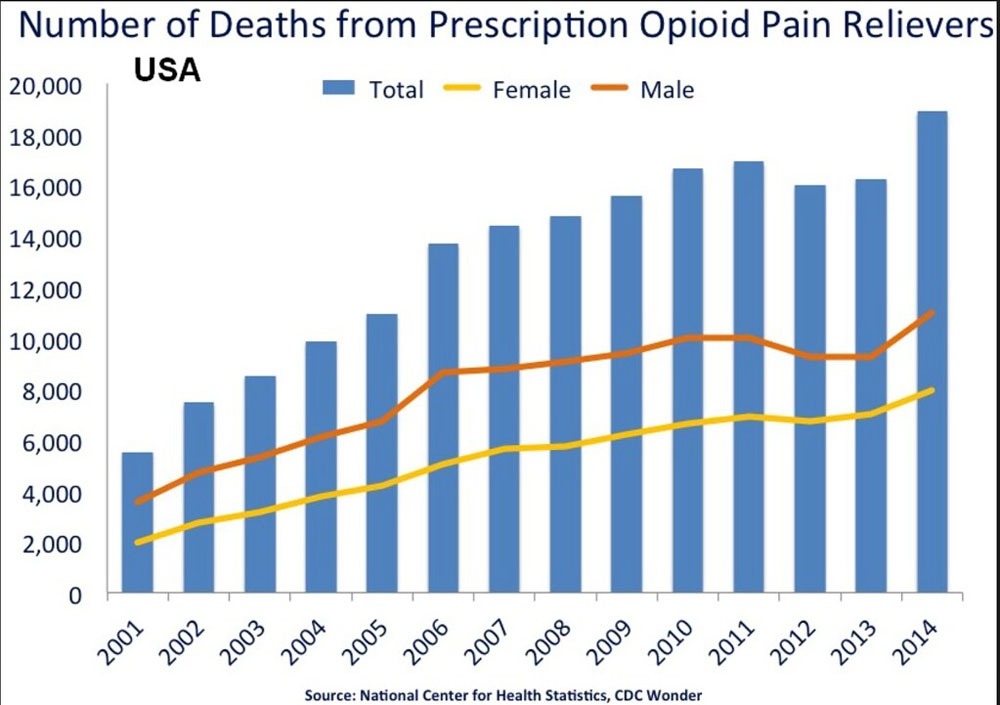
A study confirms doctors systemically gave white patients more opioid prescriptions than black ones. Ironically, this action may have saved 14,000 black patients their lives.

Because segregation is ubiquitous, giving preference to current community residents risks locking segregation in. But what if preventing displacement is a higher priority?

This classic NPQ article comes to you as many nonprofits are building their budgets for the coming year. Share it around with board and colleagues. It works if you work it.
A Cape Cod nursing home provides subsidized housing to its staff to retain its workforce.
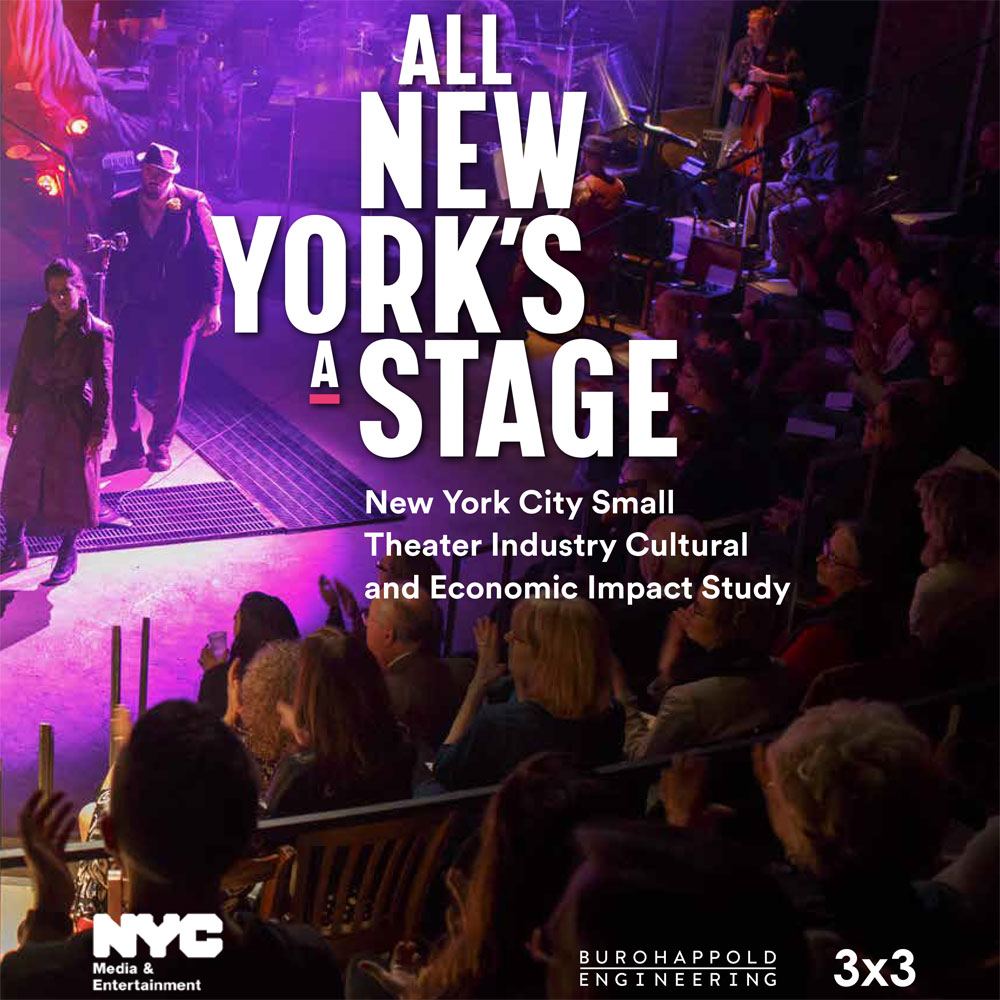
A study underscores the importance of New York’s smaller, mostly nonprofit theater companies—to audiences, to Broadway, and to the economy.

The famed British rock band takes a stand for the climate, hitting pause on touring as it figures out how best to organize its tours to be carbon neutral.
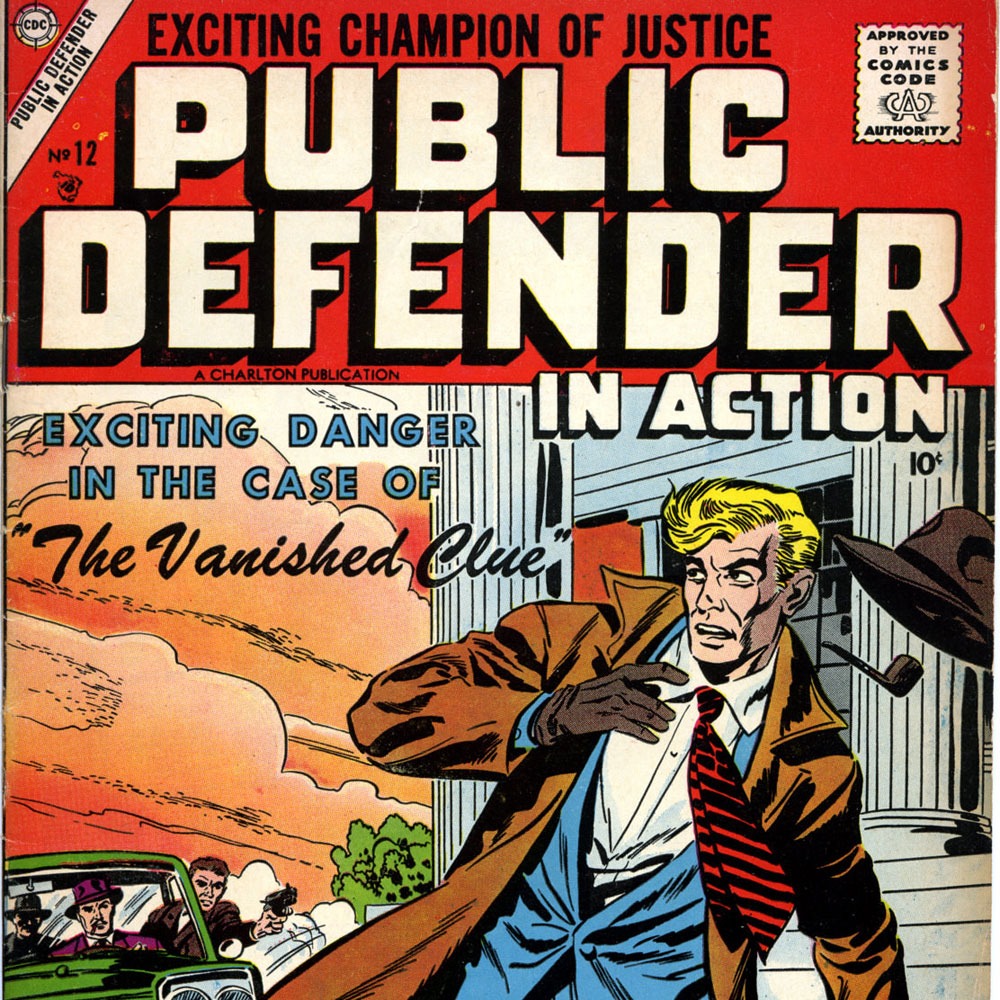
In Missouri, as in too many US states, the federally guaranteed right to legal representation is honored at best only in part.
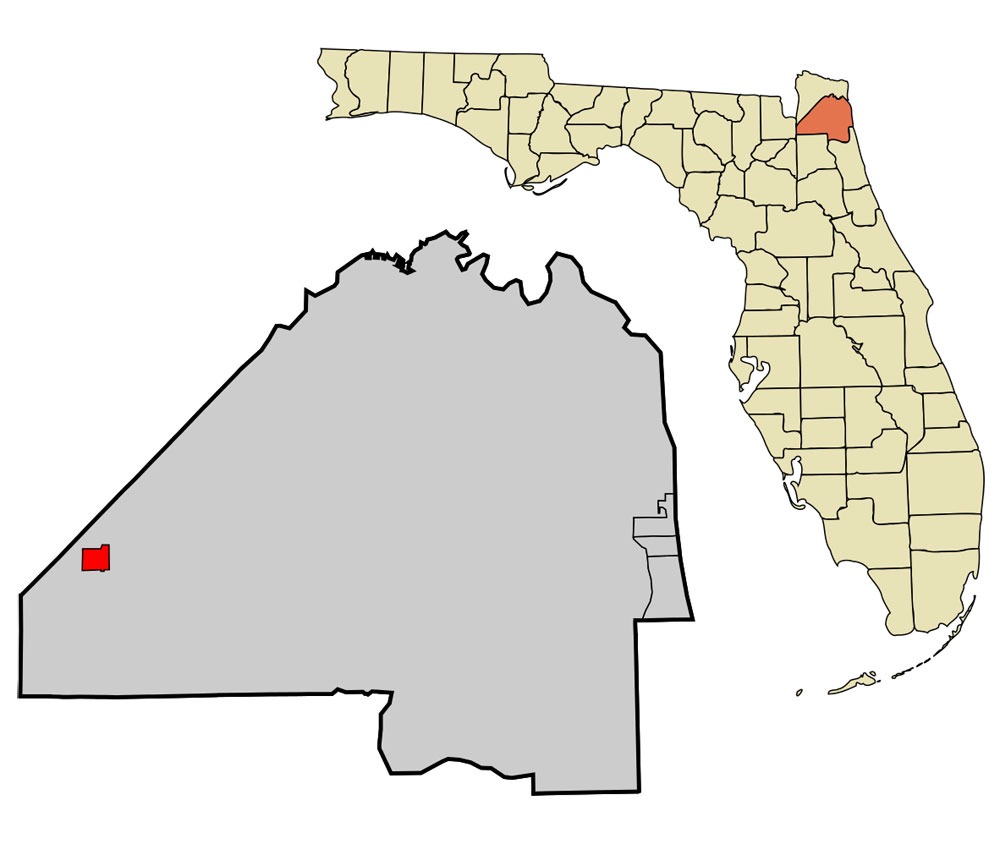
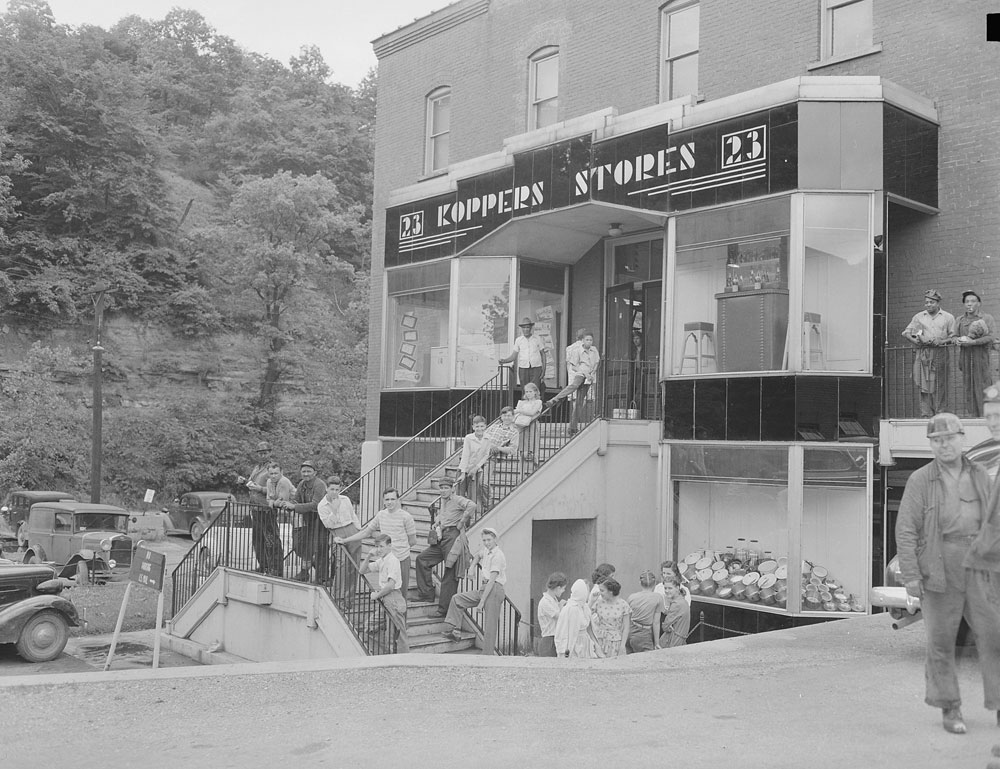
A small Florida town decides if it can’t attract a grocery store, it will own one. In doing so, it joins a long tradition of US public business ownership.