Philanthropists who believe they see a lack of movement activity in Indian Country aren’t looking very hard.
People Powered: Strength-Based Indigenous Movements




Philanthropists who believe they see a lack of movement activity in Indian Country aren’t looking very hard.

The goal of social impact bonds—to facilitate risk-taking by governments—is laudable. But given the model’s dependence on philanthropy, is this the best use of limited foundation resources?

PEN America expands into six new chapters this week in response to a national political climate grown more divisive and threatening. After the 2016 election, the nonprofit chose to listen.

GoFundMe is expanding its services to offer a “free” fundraising platform to nonprofits. However, it is not necessarily free, nor will it be a good solution for all.

The Los Angeles Times, the largest US newspaper west of the Mississippi, signs a contract with its workers, the first time it has done so since its founding 138 years ago.

Senate Finance Committee Chairman Charles Grassley is advancing a probe into the billing practices at one nonprofit hospital highlighted by the media.

As flawed as local school systems may be, they’re not what holds learning back. Rather, the critical factor is often, quite simply, poverty.
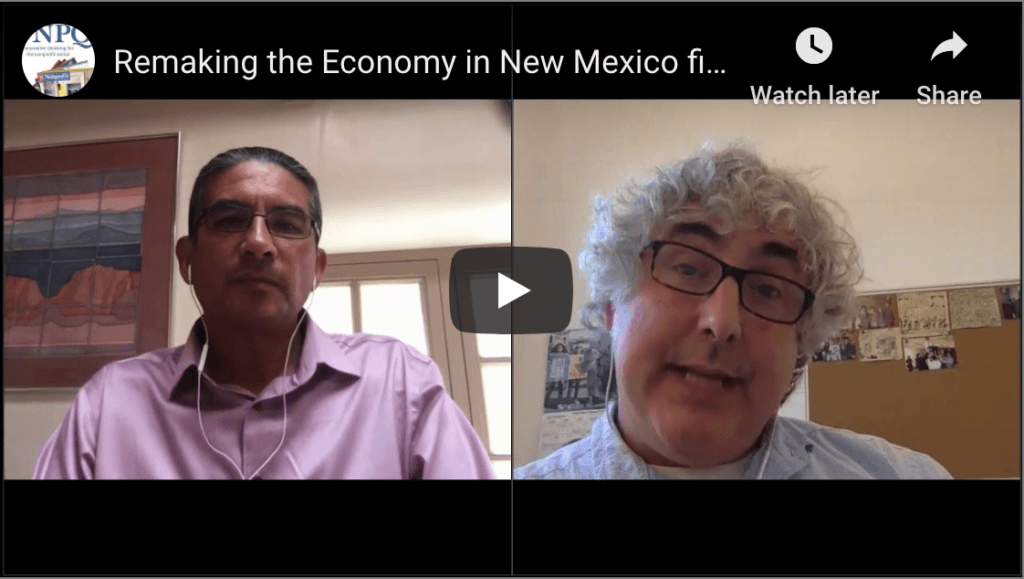
What can you learn about community economic development from a Pueblo art co-op, a community-based food program in Albuquerque, and a statewide co-op development network? The answer is – a lot! Don’t miss this practical but visionary sharing of on-the-ground success strategies.

The Sutter nonprofit health system agrees to a settlement on alleged antitrust activity that led to major price hikes for patients.

An Institute of Nonprofit News pilot study finds high return on investment in major gifts coaching for nonprofit news sites.

Two of this country’s most impressive and best capitalized nonprofit journalism sites are collaborating on a new investigative unit focused on Texas.

In many places, the Indian Health Service is so broken that even American Indian nations with limited revenues are deciding it’s better if they take care of their own directly.