In a time of denial and erasure of science by the Trump administration, how can we persuade, make meaningful change, and have a climate record?
Why We Must Bear Witness to Climate Disaster




In a time of denial and erasure of science by the Trump administration, how can we persuade, make meaningful change, and have a climate record?
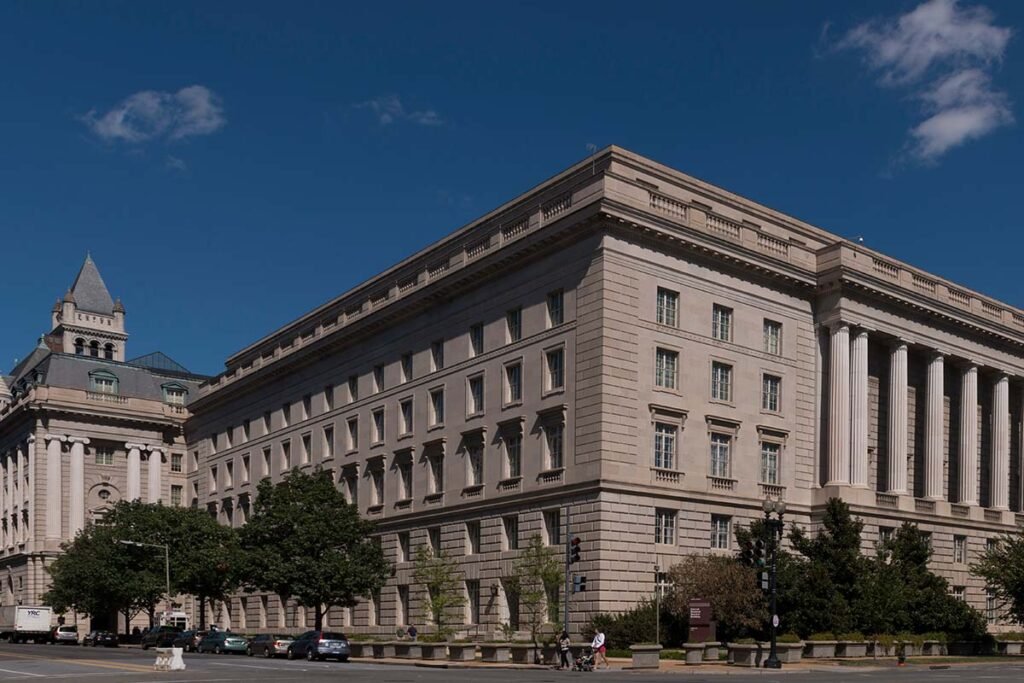
A nonprofit legal expert weighs in on what the government can actually do to affect an organization’s tax-exempt status.

On April 9, the Council on Foundations issued a call for philanthropic groups to sign a statement of resistance and solidarity. Since then, nearly 400 organizations have signed, but what does this mean for the sector?

In the wake of LGBTQ+ erasure attempts at the federal level, nonprofit leaders are pushing back.

Nonprofits play an essential role in strengthening democracy, especially in times of social and political unrest.
The courts have said that the Trump administration cannot eliminate the CFPB, but, in defiance of a court order, over 1,400 of 1,700 workers have received layoff notices.

For nonprofit and movement activists, working effectively in teams is critical. Peer circles offer the benefits of relational skill-building, support and belonging, and a deepened ability to tackle complex problems.
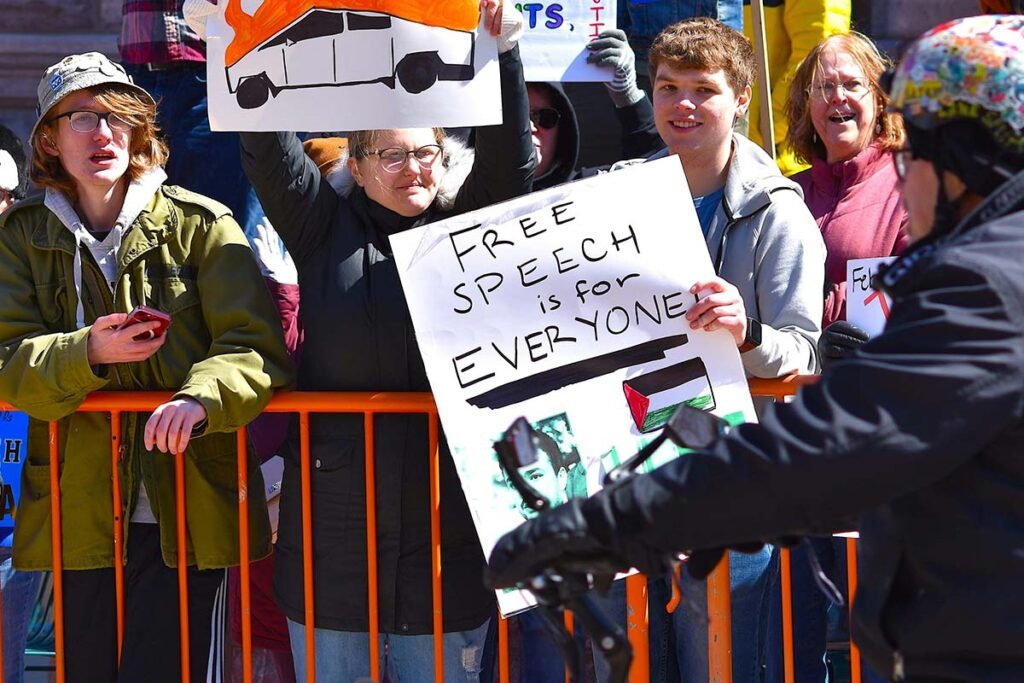
US nonprofits have once again found themselves at the center of a contentious debate over free speech, political influence, and the limits of advocacy.
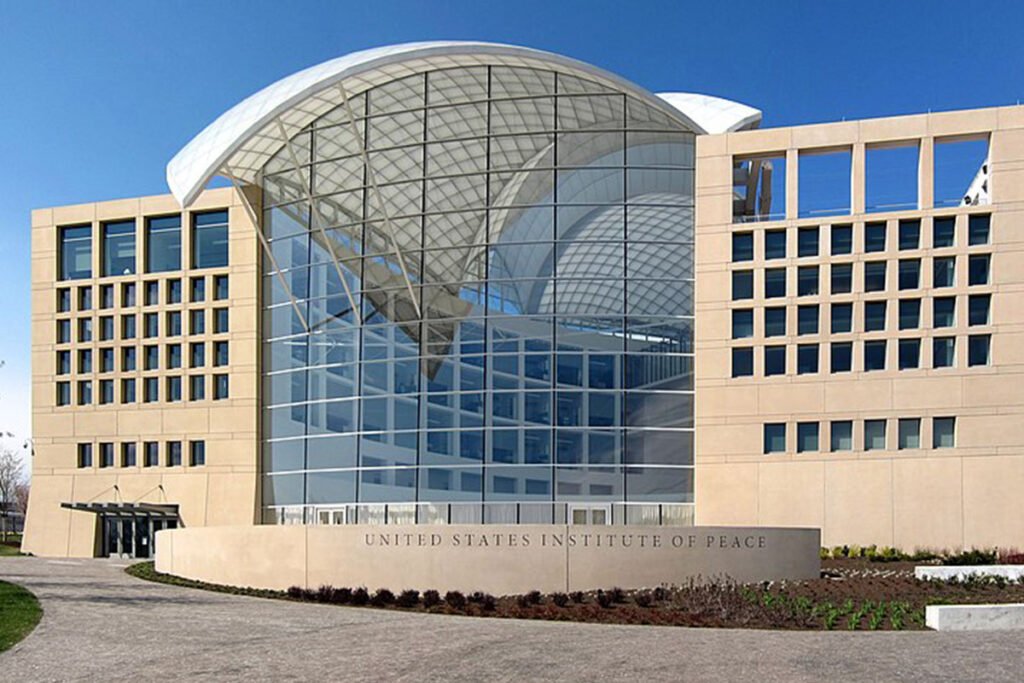
On March 17, the Department of Government Efficiency (DOGE) effectively shut down the US Institute of Peace (USIP), despite its status as an independent nonprofit. As lawsuits unfold in its wake, concerns have grown across the nonprofit sector about legal protections, preparedness, and the limits of executive authority.

Was the Vera Institute’s federal funding cut because of its opposition to the Trump administration?

Federal funding cuts leave the nonprofit sector in Rhode Island—which employs approximately 17 percent of the state’s workforce—desperately searching for alternatives. How will they fill the void?

Harvard University recently lost $2.2 billion in federal funding for refusing to accept unreasonable demands from the Trump administration. In doing so, the university set an example of how not to comply.