A local school board election in Alexandria, Virginia, illustrates the increased prominence of pro-charter school PACs in school board elections.
As Local Elections Become National, Nonprofits Must Be Wary


A local school board election in Alexandria, Virginia, illustrates the increased prominence of pro-charter school PACs in school board elections.
We tend to think of power as a tool of domination, but it is also a tool for liberation. Knowing how they differ is critical to our social change work.
Brian Kemp may have stolen Georgia’s governorship from Stacey Abrams…for now. Expert analysis finds that as many as 340,000 voters were wrongfully removed from the registration rolls over the past four years.
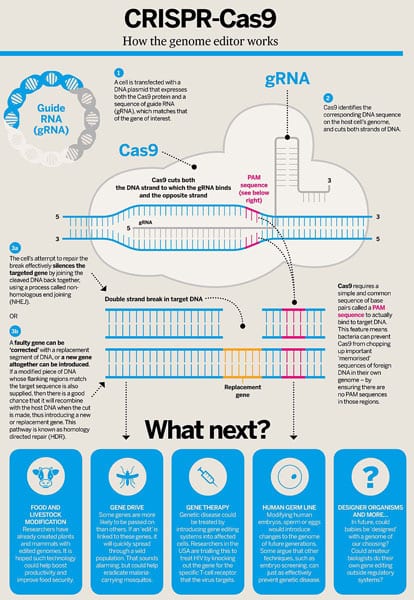
One of the creators of a genetic editing tool believes its power should be monitored by nonprofits to prevent abuse, rather than being stymied by an international treaty. But is our sector any better suited than for-profit firms to stop its exploitation?
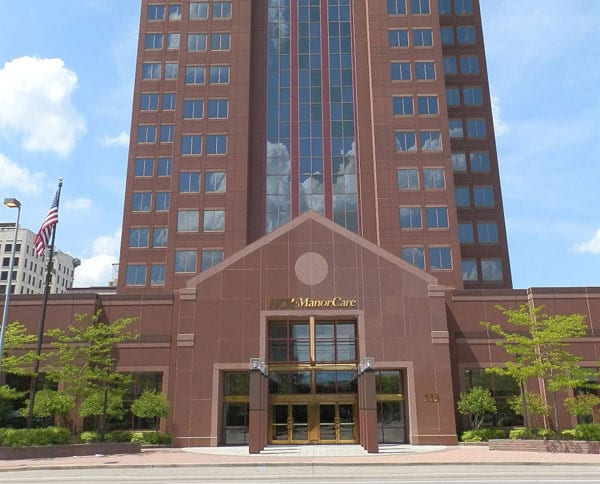
In nursing homes, for-profit ownership frequently leads to worse care, as a Washington Post exposé details.
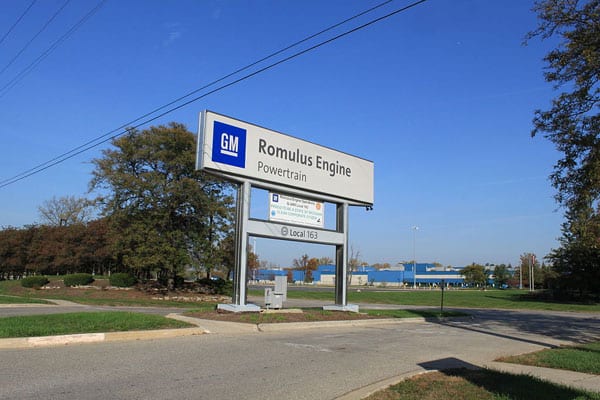
As automaker General Motors announces large-scale layoffs affecting 14,000 workers in the US and Canada, local United Ways brace for impact. Of course, the largest impact will be among the workers, their families, and communities themselves.
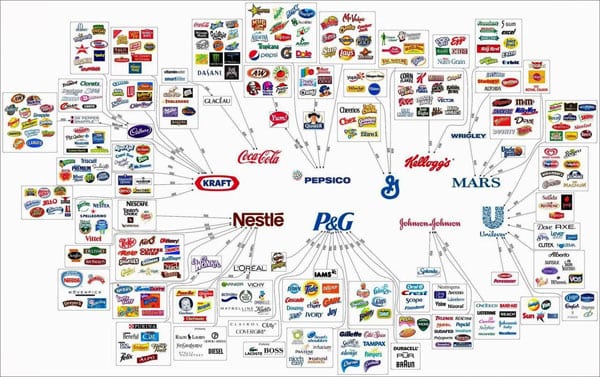
A new study confirms the growing concentration of corporate America, with two companies controlling over half of the market in more than half of the 26 industries studied.
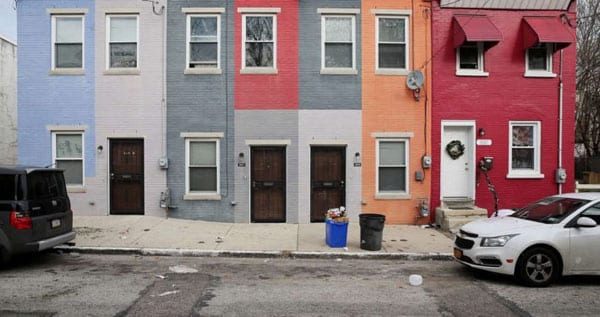
An increasingly two-tier society puts pressure on working-class neighborhoods in mid-size cities. A leading urban expert sounds the alarm.

Will the increasingly prominent trend of declining small donations make itself felt today, on #GivingTuesday?
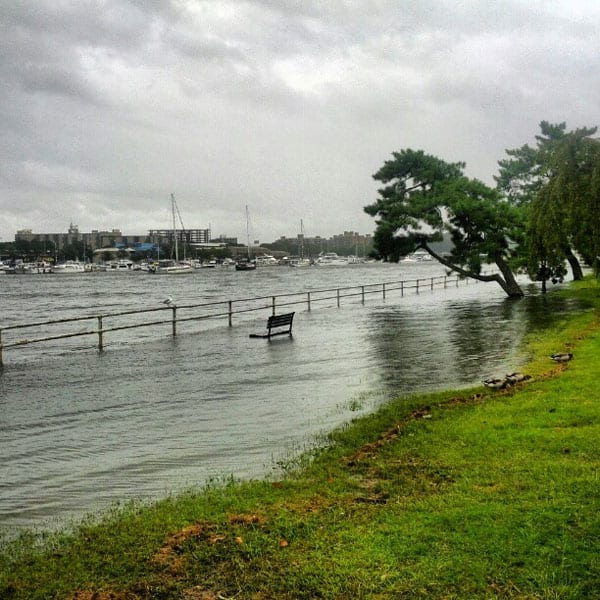
A comprehensive 1,600-page report put together by 13 federal agencies details both the current and likely future costs of climate change. The scale of the disruptions outlined should give us all pause.
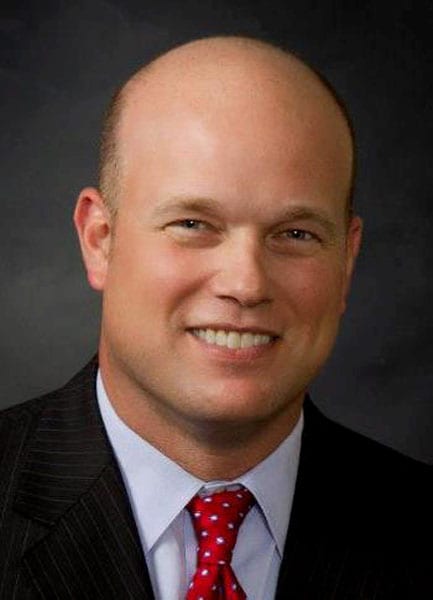
Interim US attorney general Matthew Whitaker is hiding his financial backers behind a nonprofit shield and that provides the public with less capacity to monitor accountability.
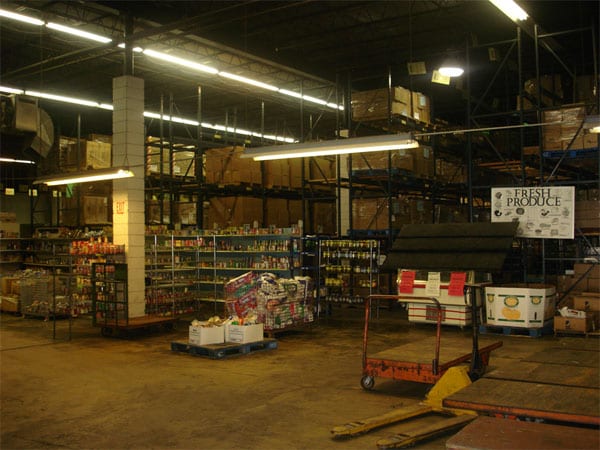
The picture is bleak for organizations like HOY that depend almost exclusively on the generosity of individual working-class and middle-class donors.