While Latinx residents face many barriers to mental healthcare—from stigma to lack of insurance to anti-immigrant sentiment—advocates are working to increase access.
Mental Health Advocates Aim to Dismantle Barriers to Care for Latinx Residents



While Latinx residents face many barriers to mental healthcare—from stigma to lack of insurance to anti-immigrant sentiment—advocates are working to increase access.

We look to nonprofits for support. But in the Los Angeles fires, the helpers need help.
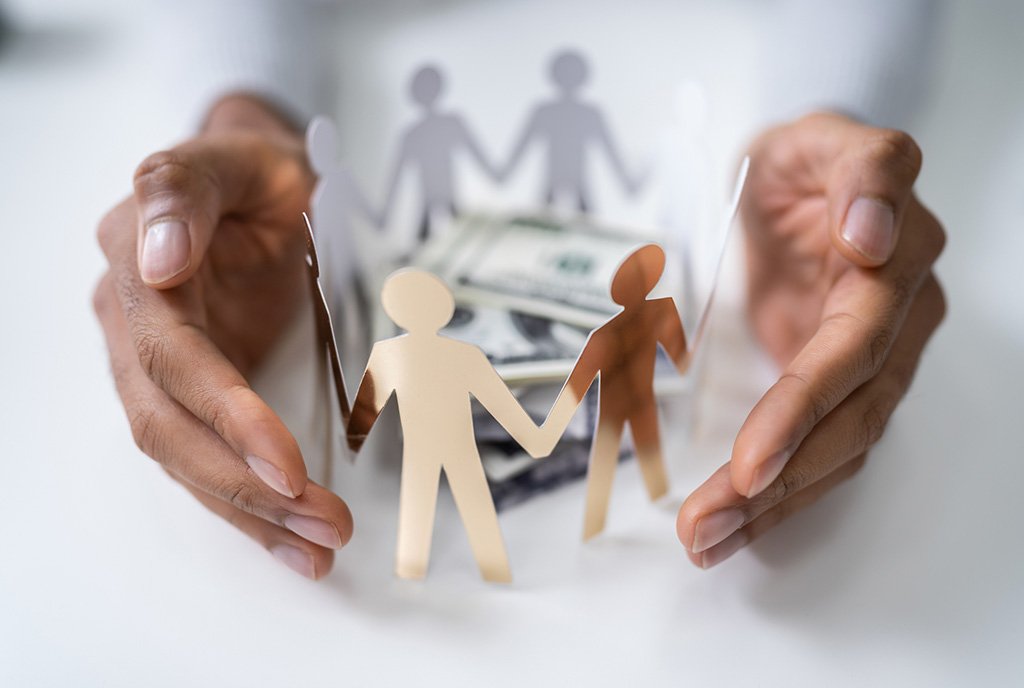
Public banking in New York was once a fringe concept. Now, it garners mainstream political support. There are some lessons from this effort for advocates in other states.

What is a public bank? And why might your community want one? Here are some pointers on why and how to create a public bank to invest in community priorities.

How can we assure fair access to capital and reduce the racial wealth gap? In California, a network of public banks is emerging as a key tool.
Developing alternatives to capitalism will require constant experimentation and learning. Having time to fail, learn, and pivot is key to building a more just economy.
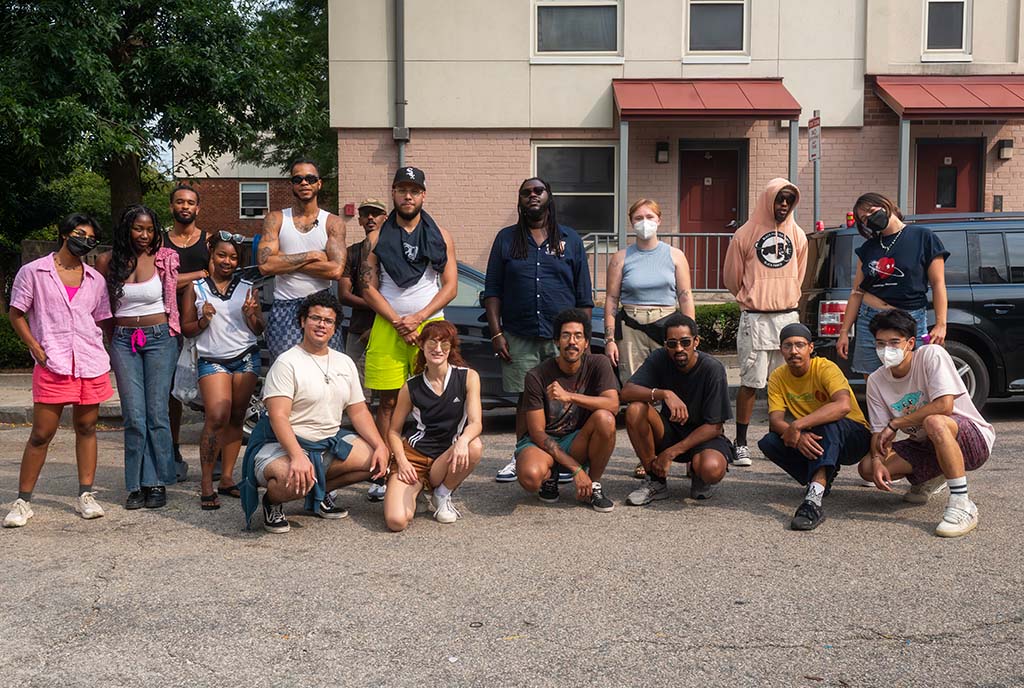
Most nonprofits are small, local, and run on shoestring budgets. Heal the Hood is one of them. Despite the challenges, the nonprofit has managed to survive and deliver mutual aid, education, and community support for three years—and counting.
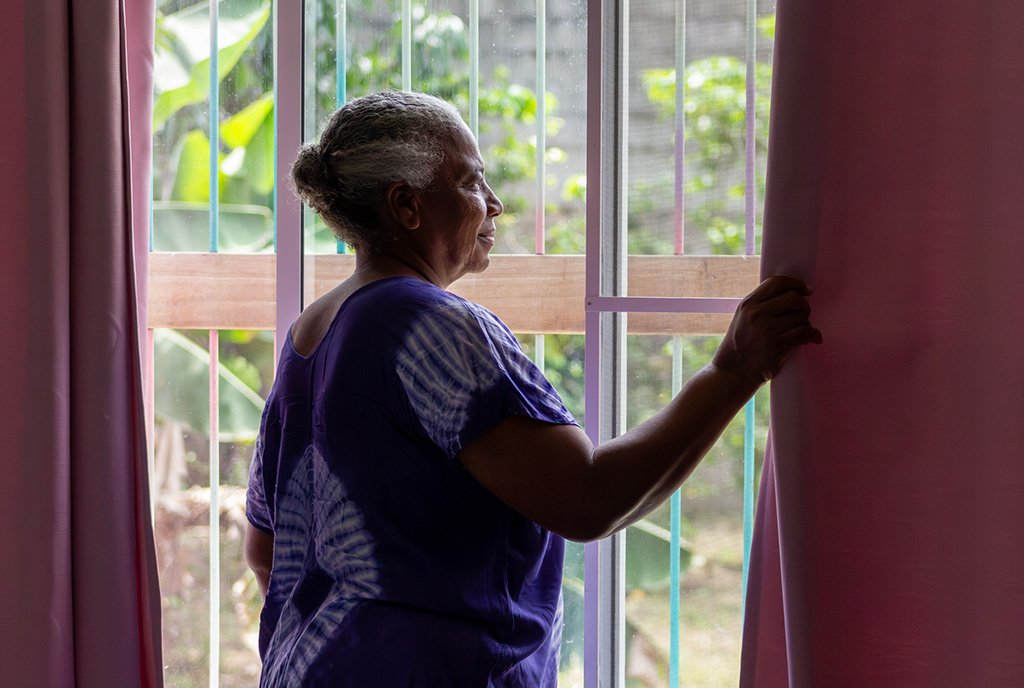
For nursing care residents, COVID-19 had a devastating impact. But out of that pandemic emerged a decentralized advocacy model that is advancing disability justice.
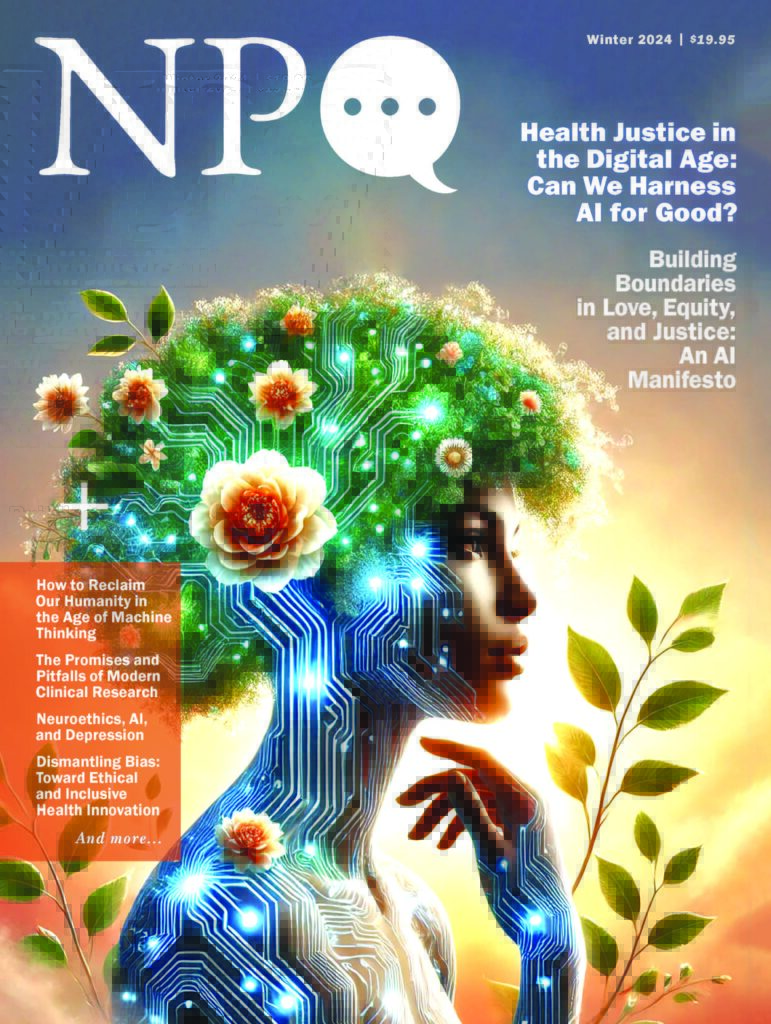
Dear Readers, In December 2024, California Senator Josh Becker, author of the Physicians Make Decisions Act (SB 1120), stated, “Artificial intelligence has immense potential to enhance healthcare delivery, but it should never replace the expertise and judgment of physicians.” He added, “An algorithm cannot fully understand a patient’s unique medical history or needs, and its
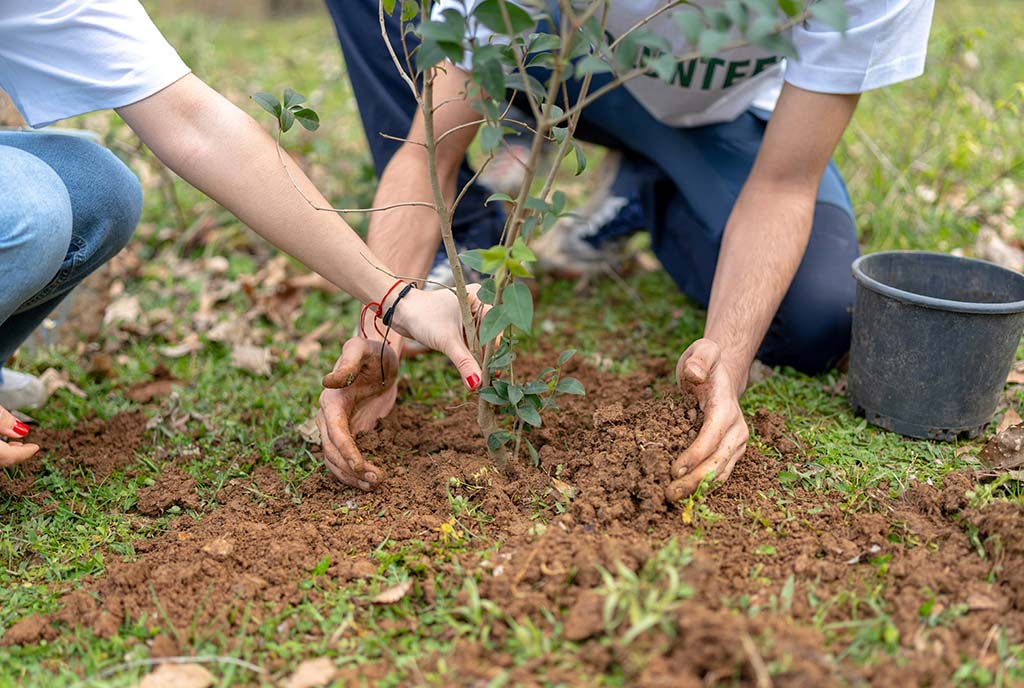
When the need is up and donations are down, nonprofits can look to their communities to keep going.
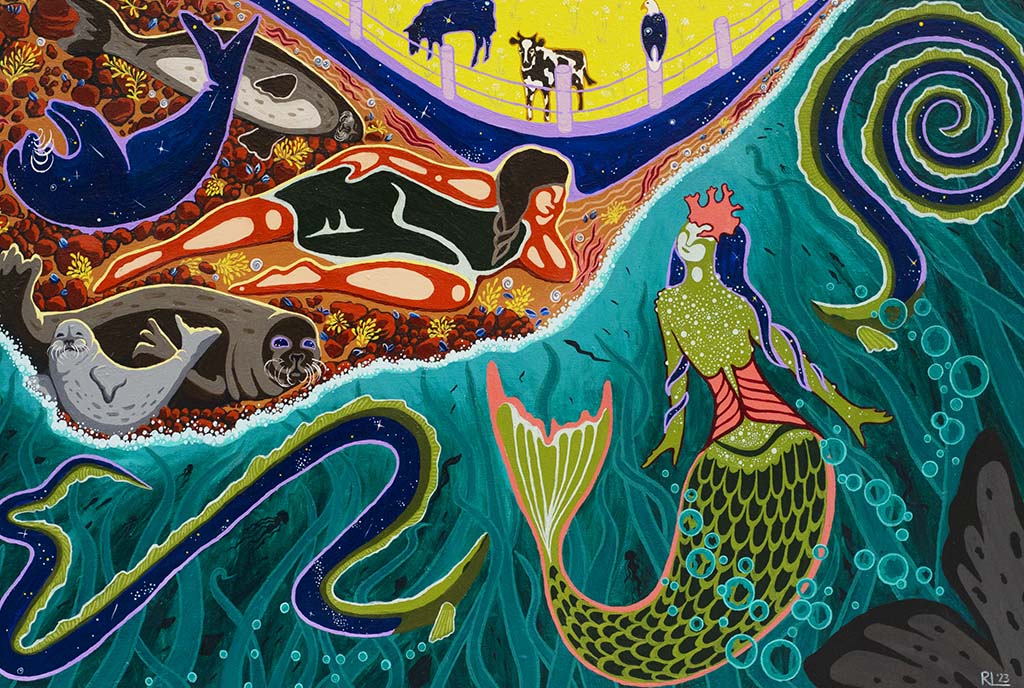
We are living in a patriarchal system that prioritizes power, profit, and a hypercompetitive culture that overvalues individualism. We can bring back balance by leaning into feminine ways of organizing, building, and creating space for the reality we want to build.
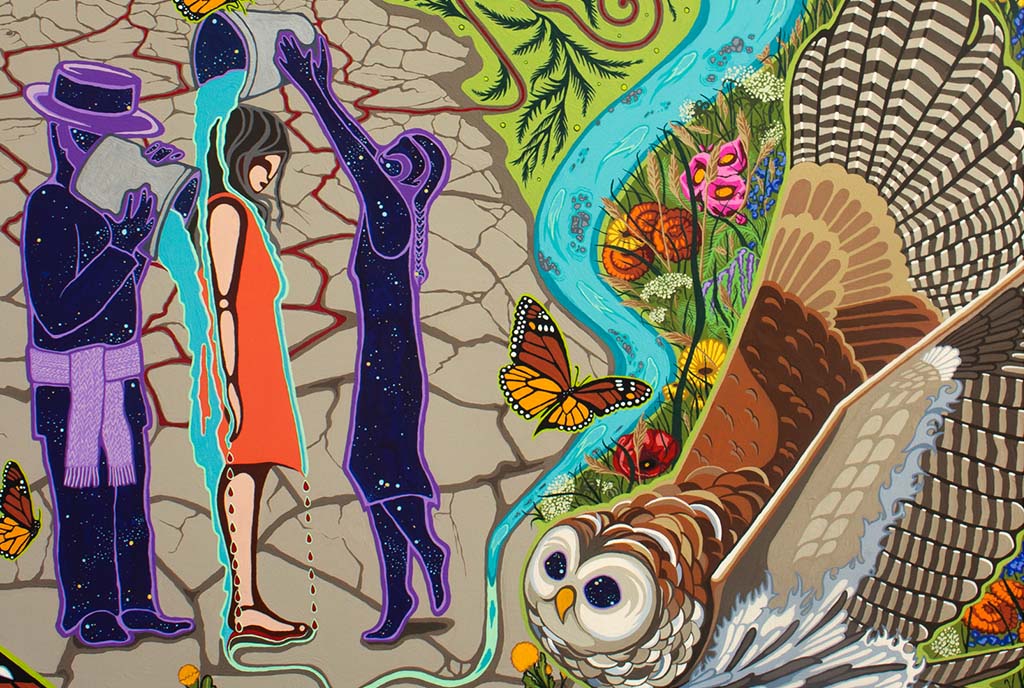
I never planned on being an activist. I wanted to be an artist, or even an architect, or maybe a chef. But would I have truly been fulfilled in those roles? Would I have wound up calling those exhausting and tiring too? I don’t think I’ll ever get to find out. But my point here is that people should not have to work so hard, fight so hard, beg so hard, for basic human rights. In a perfect world, human rights activists wouldn’t exist.