Brett Kavanaugh looks to be a “hard right” vote on the Supreme Court. This may not bode well for the nonprofit community.
Implications for Nonprofits of the Brett Kavanaugh Nomination to SCOTUS
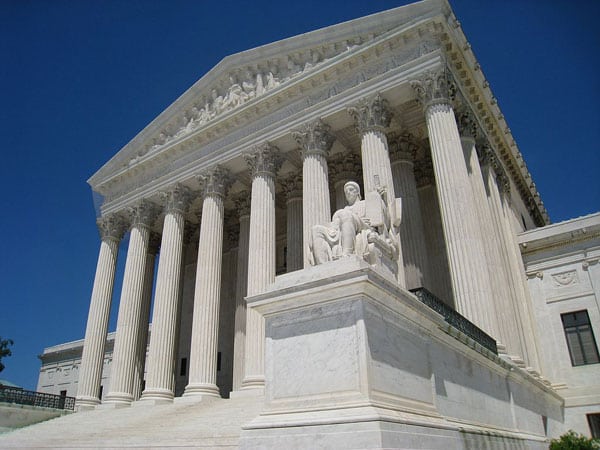


Brett Kavanaugh looks to be a “hard right” vote on the Supreme Court. This may not bode well for the nonprofit community.
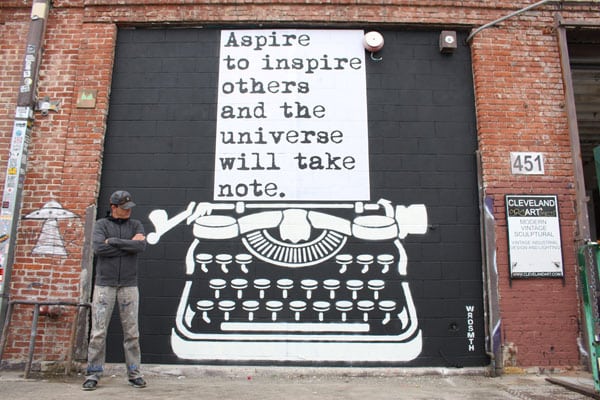
Only time will tell if street art on busy city sidewalks is more effective at raising supporters and support than, say, direct mail, Facebook ads, or individual solicitations.

The board at this HIV nonprofit has completed its investigation and found no wrongdoing or breaches in its CEO’s behavior. However, “kickbacks for donations” remain problematic, and taking this stance could end up breaking the public’s trust.
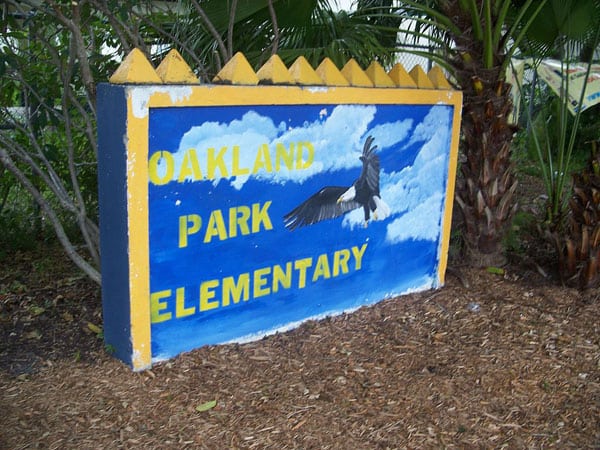
The future of public education is often seen as a battle between charter school proponents and those defending traditional public schools. In Oakland, a small nonprofit has convinced the school board to try another approach.
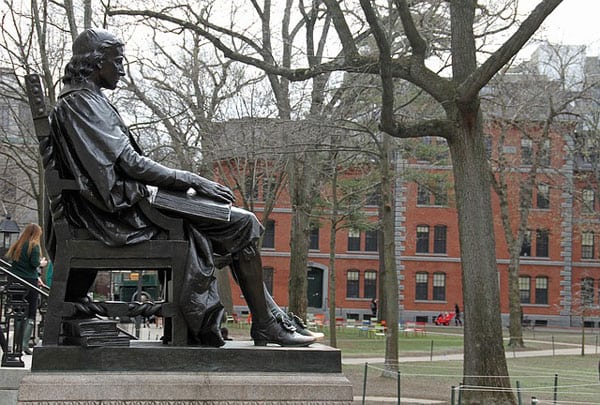
The Trump administration announced it would reverse several Obama-era policy memos outlining how colleges and universities can use race as a factor in admissions.
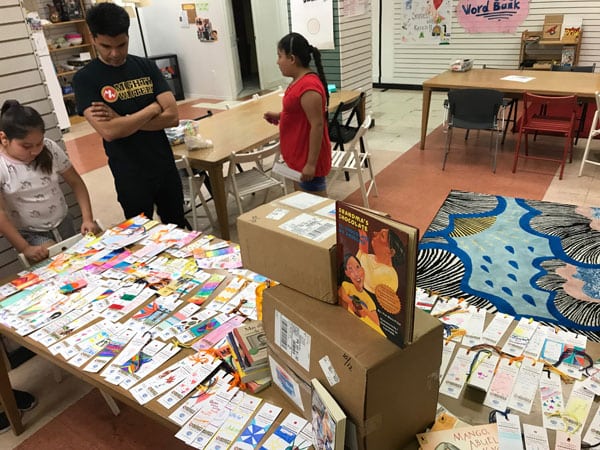
A Philadelphia-based nonprofit tried to donate new Spanish-language books and handmade bookmarks as a gesture of friendship to children caught in the “zero tolerance” nightmare. Who wins when such kindness is thwarted?
In Dallas, a new nonprofit comedy theater finds that improv can be therapeutic with a wide range of caregivers and long-term-care residents, including people with autism, Alzheimer’s, anxiety, and brain injuries.

New York’s affordable housing co-ops are not prepared for the hurricanes they know will come. How should related organizations step up around this issue?
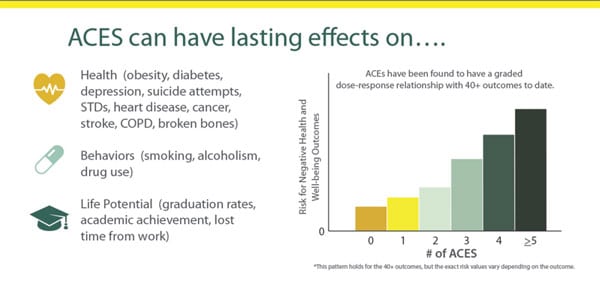
Nonprofits continue to learn more about how intersectional identities and issues impact the communities they serve. Poverty, housing insecurity, employment discrimination, and social isolation are influence the care and health of the American Indian and Alaskan Native (AI/AN) communities.
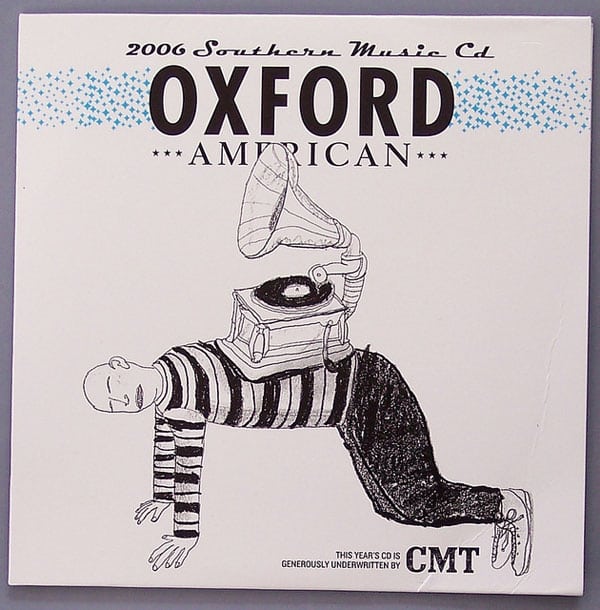
This tough literary quarterly with a robust online and street-level presence refuses to fade away—to the delight of its readers and fans.

Local governments—and also large nonprofits like hospitals and universities—face a choice. They can either design contracts in ways that privilege purchasing from large, often out-of-state companies, or they can buy from local businesses that reinvest in their communities.

While both glitter in the sunlight, an assayer can easily separate fool’s gold from the real. Distinguishing genuine grassroots organizations from political front groups is not so easy. Whether this is a real concern for the larger nonprofit community is, however, a question.