The newest chapter in the story of the University of Louisville Foundation, which is quickly becoming a case study for how not to run a philanthropic foundation, is all about a lawsuit.
How Not to Run a Foundation: The Ongoing Saga of U of L



The newest chapter in the story of the University of Louisville Foundation, which is quickly becoming a case study for how not to run a philanthropic foundation, is all about a lawsuit.

The US Postal Service has over 30,000 locations. A Senate bill would require the Post Office to offer low-cost loan products to customers, giving people without bank accounts a highly accessible, low-cost alternative to high-interest payday lenders.

Until last Friday, George Mason University strenuously denied that donor conditions put its academic independence at risk. But news sources revealed that donors had been granted direct input on faculty appointments and weighed in on faculty evaluations.
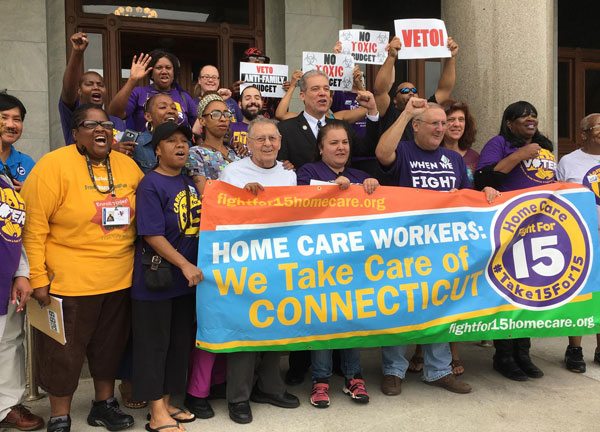
Disability caregiving employees in Connecticut voted to authorize a strike that will start next Monday morning. Their intent is to get the legislature to raise reimbursement rates that haven’t been increased for more than a decade.
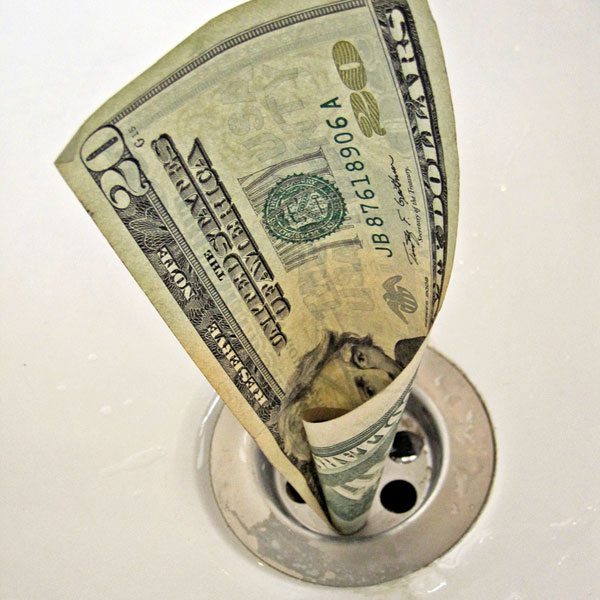
Based on a new reporting requirement from the Government Accounting Standards Board (GASB), cities are, often for the first time, reporting their tax abatement payments to corporations, often used to “attract” employers to their cities. One important preliminary finding is that the cities that use tax abatements the most often have the highest levels of economic inequality.

A group of church leaders in California seeks alternatives to calling the police.

How do nonprofit–public partnerships form, and how are they governed? This important article analyzes the often limited life cycle of such collaborations, which can be challenged by complex power dynamics. After you’re done, enjoy some other articles in this month’s governance series.

Have you ever bought a work of art at a charity auction? It turns out that the artists who donate their works can only deduct their direct costs from their taxes. Moreover, charity art sales may even depress the prices artists fetch at gallery sales. Amy Costello, in a podcast, explores these and other issues with artists, an art industry critic, and a nonprofit director.
A new study from the Harvard Kennedy School claims we are living in a “global age of philanthropy” and offers a detailed look at where and how philanthropic dollars are moving through the economy.
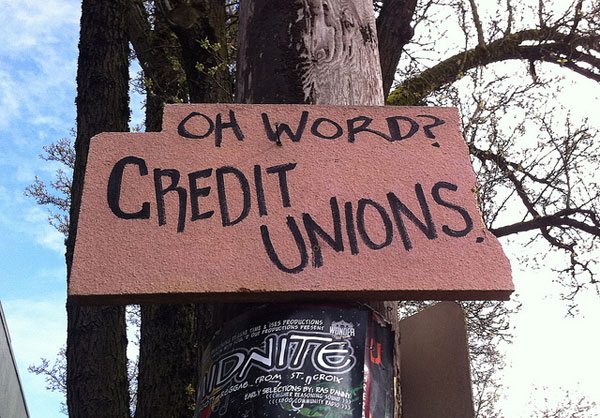
In community economic development, credit unions are a bit of a sleeping giant. But, as is shown in this article about San Antonio, credit unions can be important contributors to economic development in low-income neighborhoods.
The power of consumers coming together has shown enough of a motivating force to sway corporate decisions, but the nonprofit sector maintains its position as the key value-driven industry.

Dubbing gifts to support work that counters regressive policies “rage donations” hides the real motivation behind them.