What are the stories that we need to tell to better understand our economy, and lay the groundwork for building a more inclusive, democratic world?
Remaking the Economy: How to Change Our Stories about the Economy


What are the stories that we need to tell to better understand our economy, and lay the groundwork for building a more inclusive, democratic world?

What the sudden shutdown of Small Press Distribution means for nonprofit and independent publishers—and the books they championed.
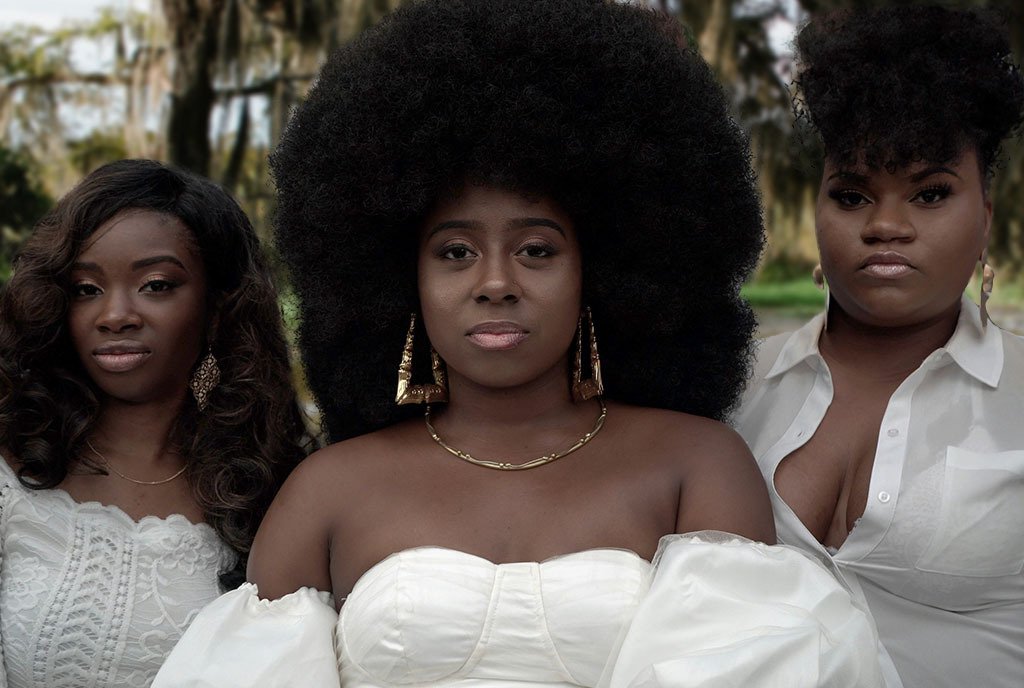
Across the South, Black women are reclaiming spaces that previously excluded them or rendered them invisible.
Participatory budgeting processes achieve two major political goals: repairing historic legacies of harm and building community power.
Today’s economic policy vision for Black lives is not just born out of new crises. It has deep roots in Black civil rights history.
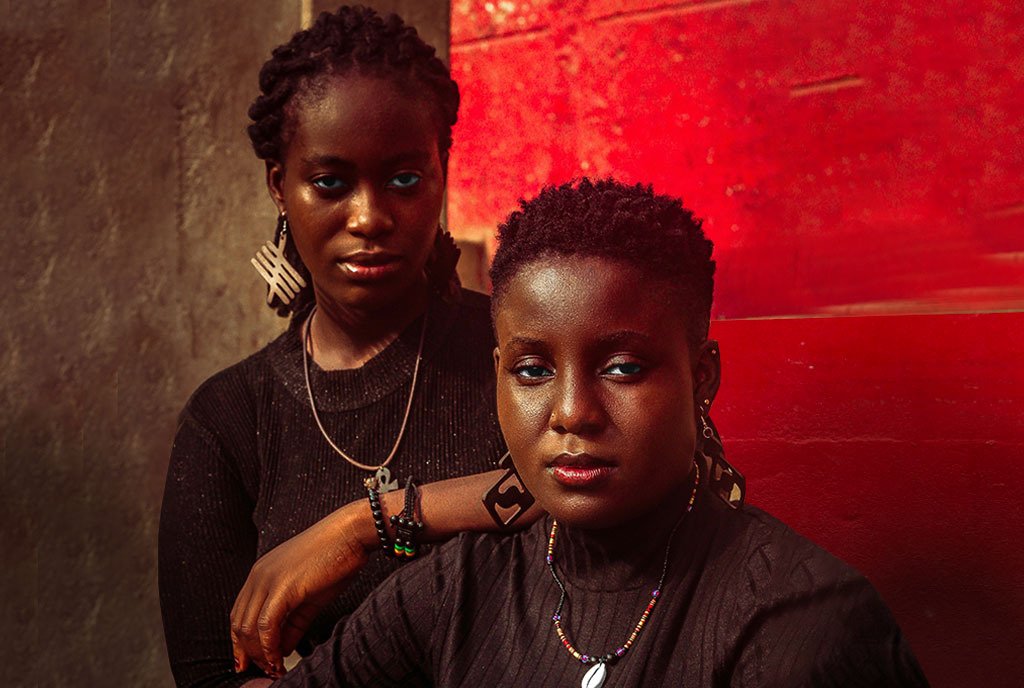
The system of susu in Ghana is often seen as a temporary “self-help” mechanism for migrant women. But the potential significance of the practice is far broader.
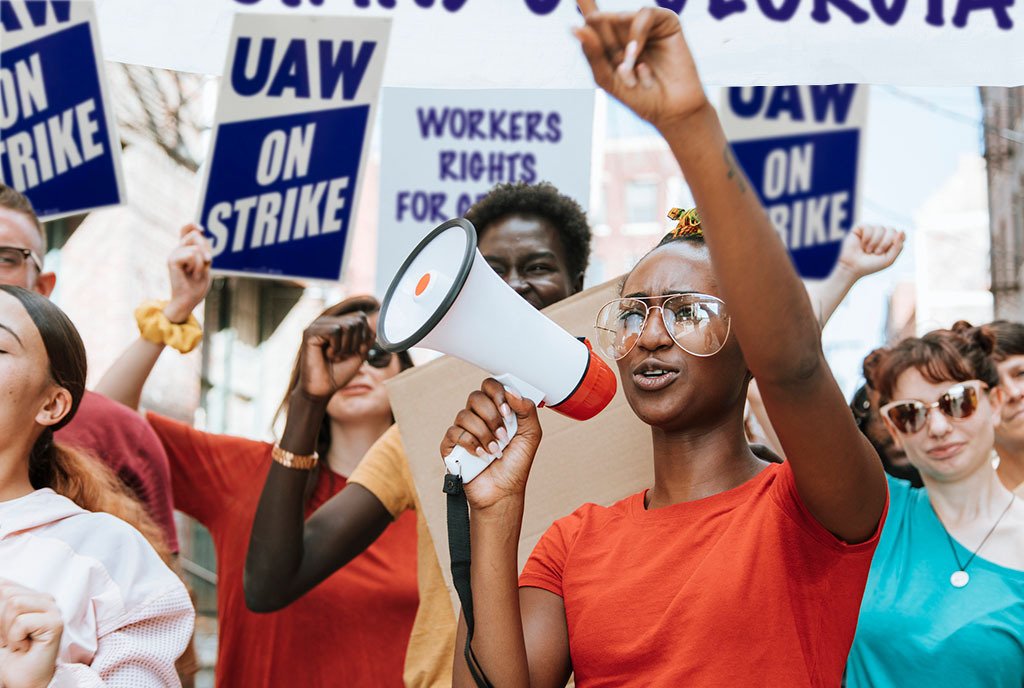
An organizational leader makes the case that to realize racial justice, philanthropy must support worker organizing.
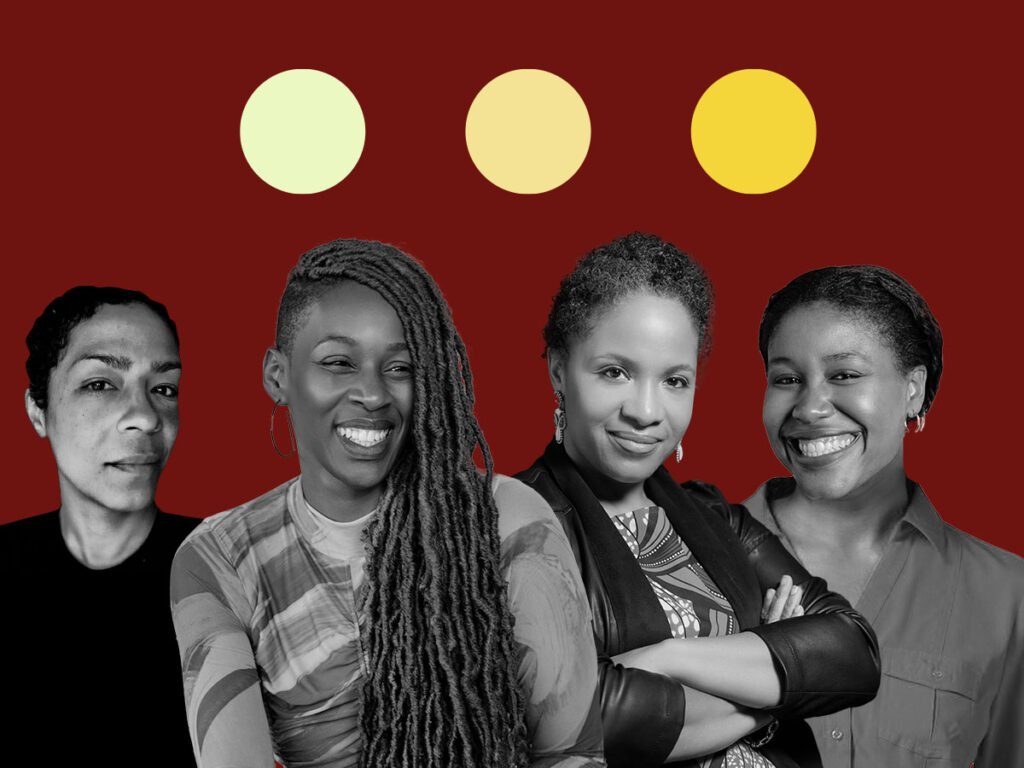
In this webinar, four leaders came together for a discussion on black women leadership and the archetypes that enable injustice.
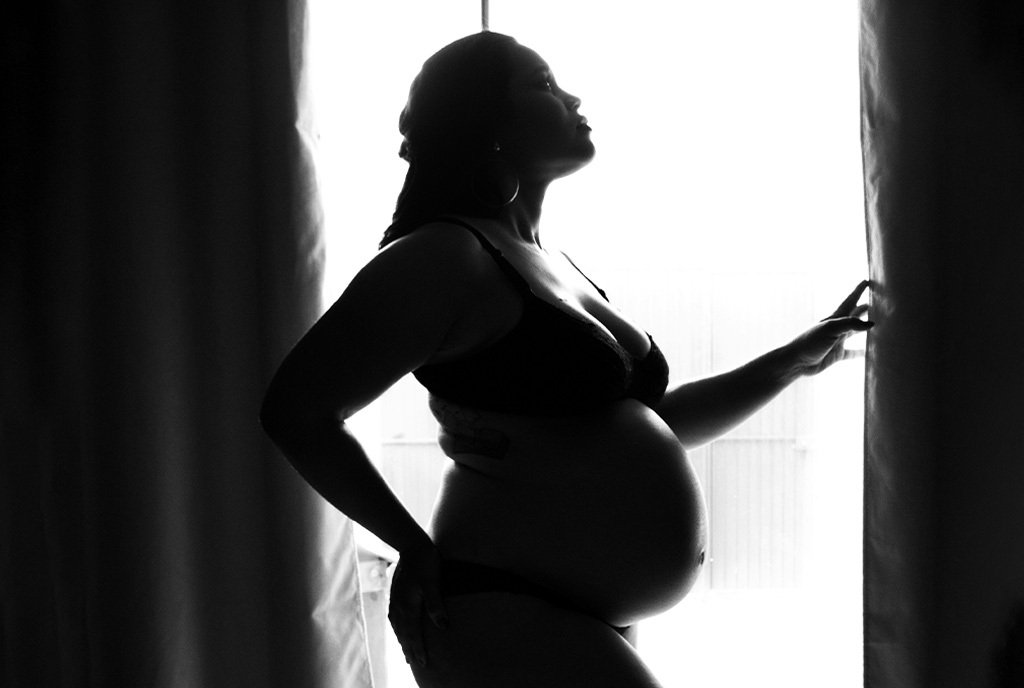
Though maternal health disparities are often discussed, another crisis receives far less attention than it deserves: the perinatal mental health crisis among Black birthing people.

With access to clean, safe water growing increasingly difficult, hygiene is becoming a social justice issue.
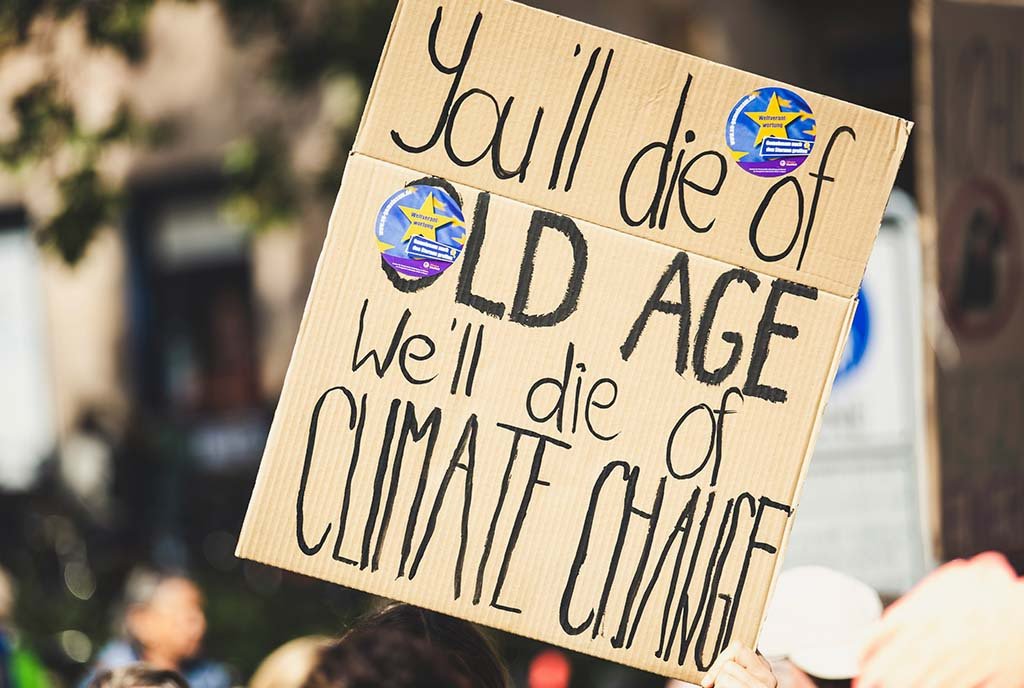
The youth climate movement has been limited by a lack of systematic investment. Two young leaders examine ways philanthropy can support them.
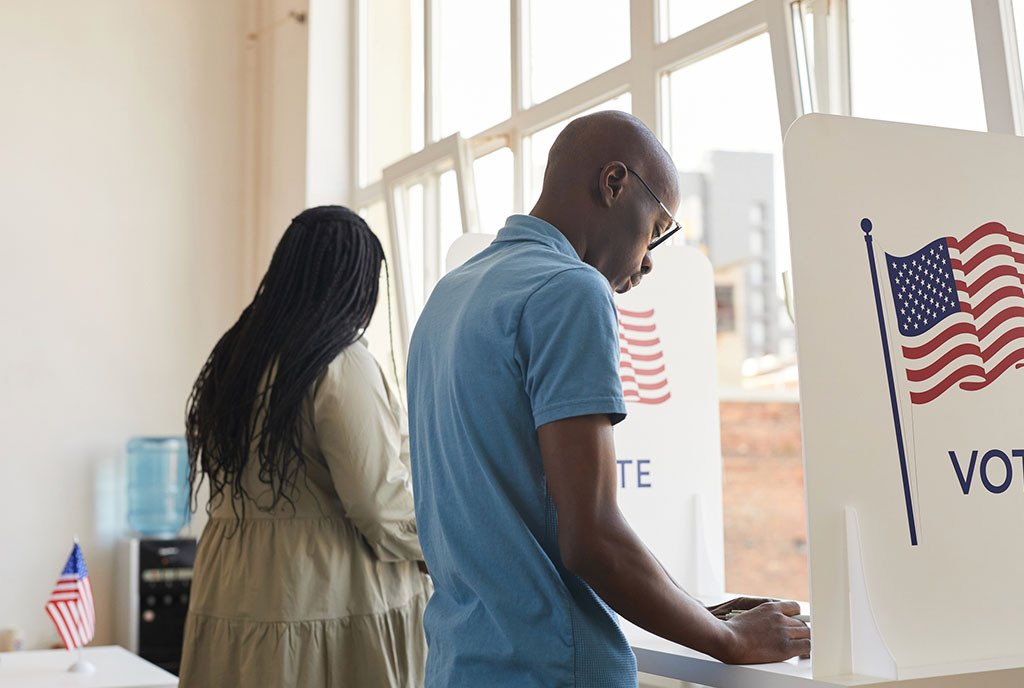
Voters in South Carolina combat efforts to dilute their vote after a federal court rules that an unconstitutional map can be used in the upcoming election.