“That abuse of power demands resistance…I knew there would be consequences for standing up for what is right but there was never a question about which side of history I would stand on.”
Tennessee State Senator Charlane Oliver
When philanthropy considers defending democracy, they often envision national elected leaders, lawyers, organizers, journalists, and bolstering civic institutions. Less often do they consider the state legislators, county commissioners, school board members, and local elected officials standing between their communities and increasingly aggressive attacks on civil rights, voting rights, reproductive justice, immigrants, trans people, and religious minorities. Yet many of the leaders holding the line serve in those roles, and they are often the first to pay a price for speaking out.
We have built movements around the assumption that certain people—especially Black women—will continue absorbing extraordinary risk on behalf of everyone else. Too often, we have come to expect those sacrifices from the very people we rely on most. That assumption is unsustainable.
When these women are doxed, threatened, censured, stripped of committee assignments, lose income, face office raids or political investigations, or are otherwise punished for their dissent, they are often left to figure it out themselves.
If philanthropy is serious about protecting democracy, it must invest in protecting the state and local elected officials, in particular, from communities of color who are holding the line.
The Leaders We Have
Many Americans over the past few years have yearned for elected leaders who would rise to the moment and fight authoritarian consolidation. We have those leaders. Many of them come directly from movement spaces. They were advocates before they were elected officials, and they continue to serve as bridges between movements and government. They are using the authority available to them to block, slow down, or repeal harmful policies. They stand alongside organizers in the streets and then return to legislative chambers to protect their communities.
“We have built movements around the assumption that certain people—especially Black women—will continue absorbing extraordinary risk on behalf of everyone else. That assumption is unsustainable.”
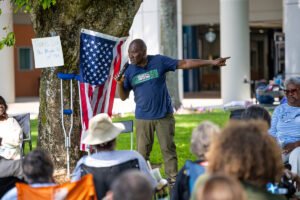
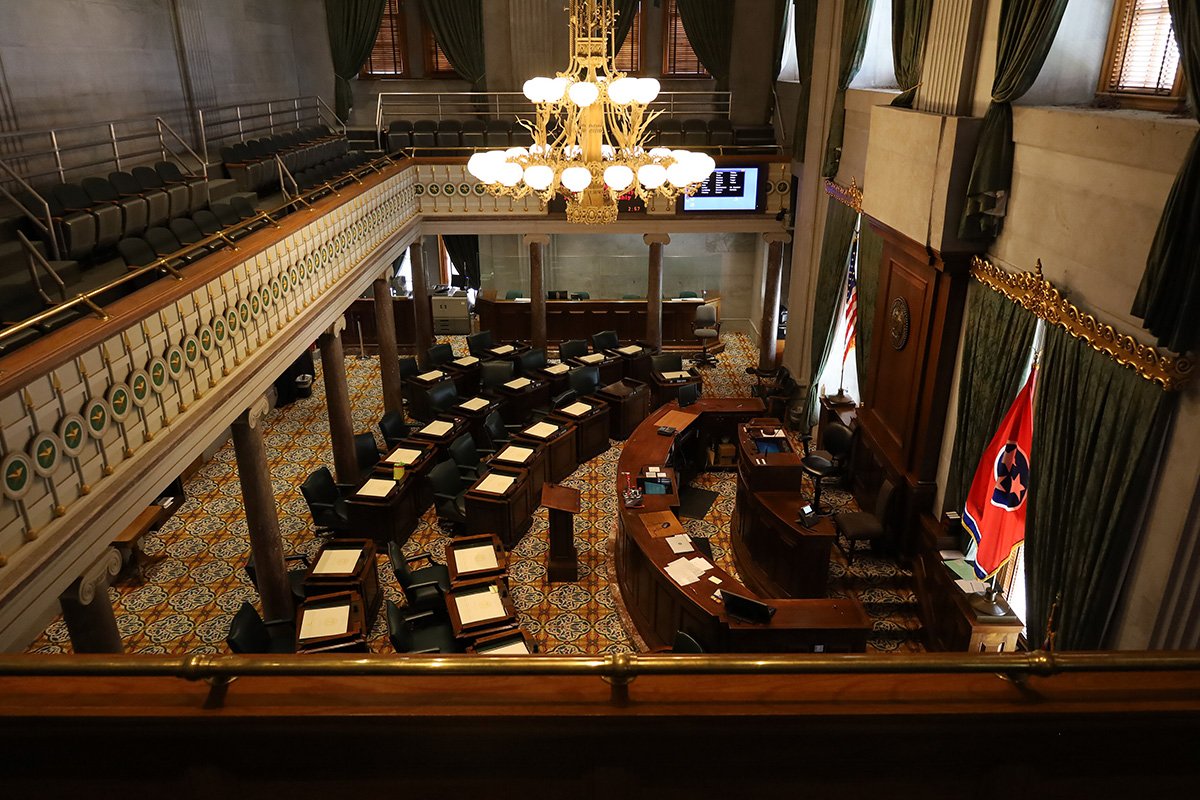
Take State Senator Charlane Oliver from Nashville, co-founder of The Equity Alliance. In May, Oliver protested from the Senate floor during the Tennessee General Assembly’s special session redrawing the state’s congressional maps to eliminate the state’s only majority-Black district and silence Black voters. Following her protest, she posted, “When the rules of the chamber are used to protect the powerful and silence the marginalized, standing on that desk is the least I can do.” As a result, the working mother was reassigned to a different committee, had her per diem restricted, and her out-of-state travel stipend stripped.
In Virginia, State Senator Louise Lucas, the first woman and first African American to serve as Senate president pro tempore, saw her office raided soon after leading her state’s redistricting efforts. Organizations scrambled to secure legal, communications, and crisis-response support.
In Georgia, Fulton County Commissioner Mo Ivory spoke out after the FBI seized hundreds of boxes of 2020 election materials from the Fulton County Elections Hub. Afterward, she received a wave of hostile messages across social media, email, and other channels. Her office had also recently experienced a break-in, adding to the climate of intimidation and vulnerability surrounding local officials who are expected to defend democracy while absorbing personal risk.
“Speaking out was not a choice between comfort and conflict,” Commissioner Ivory told us. “It was a choice between being quiet and being honest. Afterward, the hostility came quickly. And when you are already dealing with real safety concerns around your office, that kind of targeting is not abstract. It follows you home. But the answer cannot be silence. If we want leaders to defend democracy, especially women of color at the local level, then we have to stop treating their safety as an afterthought.”
Sign up for our free newsletters
Subscribe to NPQ's newsletters to have our top stories delivered directly to your inbox.
By signing up, you agree to our privacy policy and terms of use, and to receive messages from NPQ and our partners.
When you think about people making sacrifices to do public service, there is nothing more depleting than watching outspoken legislators become invisible during times of unsafety, from no longer attending as many public events to hesitating around legislation they know will bring aggressive opposition.
The people we most want in public office are often the ones who never saw themselves there. They are the women who have to be asked seven times before they finally say yes. Teachers. Nurses. Parents. Movement organizers. People who are not coming from already overrepresented professions, political dynasties, or generational power structures. They are not insulated from the consequences when retaliation comes. When one of these leaders burns out or decides the cost is too high, communities lose voices they spent years cultivating and encouraging to lead.
We know how to mobilize around elections, recruit candidates, and celebrate victories. What we have not done is properly invest in the support systems movement-aligned elected officials need when they become targets.
This is where lessons from attacks against protesters, activists, and movements can be supportive of movement-aligned women of color elected officials. Generations of criminalization, surveillance, and political prosecutions of movement organizations have taught us that there is critical support infrastructure that philanthropy must resource to strengthen democracy.
The Infrastructure We Need
The In Defense of Movements Project (IDOM), a movement-advised and aligned resource and support mobilization project focused on supporting base-building movement organizations at risk of or currently experiencing political prosecution, calls this holistic safety and security. This holistic safety and security infrastructure includes physical and emotional security, digital security and data autonomy, financial and regulatory compliance, civil, immigration, and criminal legal defense support, and narrative and reputational support.
“If we want leaders to defend democracy, especially women of color at the local level, then we have to stop treating their safety as an afterthought.”
Part of IDOM’s mission is to engage, educate, and encourage philanthropy to build and strengthen this infrastructure, particularly since the onset of the RICO prosecutions against Stop Cop City activists in 2023. There are a number of powerful philanthropic examples of resource mobilization in the defense of movement formations, including the Movement Protection Fund, the Financial Futures Fund, Moxie Fund, Urgent Action Fund, Emergent Fund, RISE Together Fund, Third Wave’s Mobilize Power Fund, and Piper Fund, just to name a few.
As more and more base-building organizations contend for political power at the ballot box, we must also recognize the critical threats facing movement-aligned candidates for elected office—particularly women of color—as part of the larger call to defend social movements from state repression and political violence.
That’s why last year, Women’s Democracy Lab (WDL) joined forces with IDOM, recognizing that local and state elected officials are often from or deeply tied to local movement infrastructure.
WDL builds the support, rapid response, training, and community that should already exist around these leaders, including when they face political prosecutions, targeted investigations, and other efforts to silence them. Today, this includes a network of 300-plus elected officials across over 30 states, built over years of co-created programming centered on women, with a focus on women of color and Indigenous women.
Philanthropy has invested billions of dollars in defending democracy. Yet much of that investment remains concentrated at the federal level, even as many of the most consequential fights over democracy and civil rights are being waged in statehouses, county commissions, school boards, and city halls across the country. The leaders holding the line in those spaces need more than encouragement. They need infrastructure, security preparedness, coordinated rapid response, and communities of peers who have been through it before. And they need funders willing to invest before the next attack becomes tomorrow’s emergency.
We have a small window to build that infrastructure. Efforts like WDL show what is possible when leaders have access to trusted networks, rapid response, training, and community. The question is whether philanthropy will invest in growing that infrastructure at the scale this moment requires.