
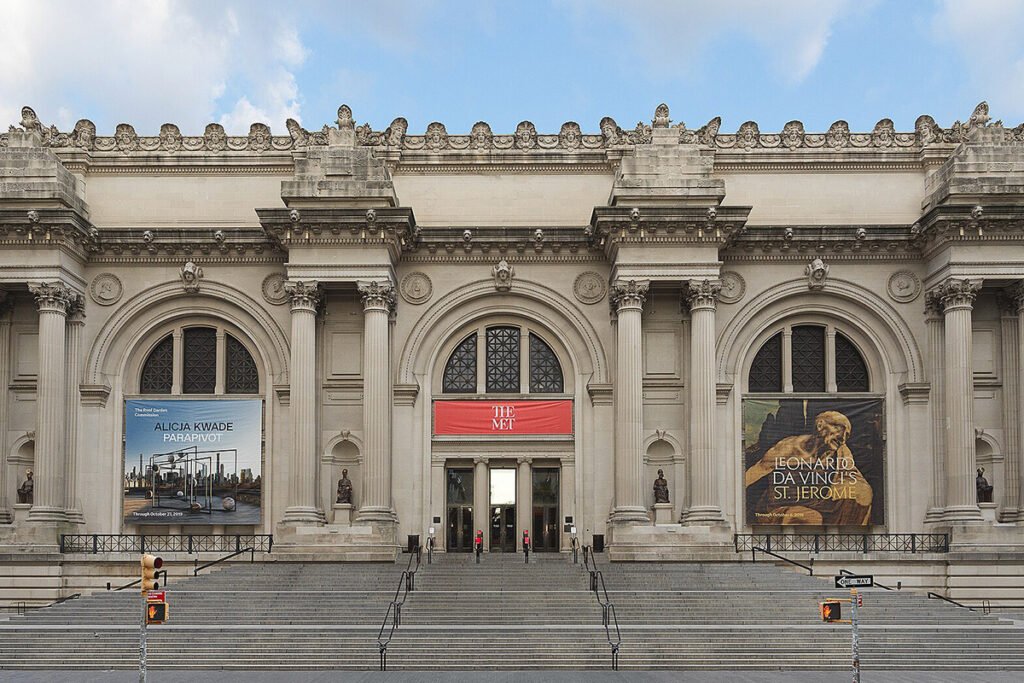
In January 2026, workers at the Metropolitan Museum of Art (the Met) voted by a staggering 76 percent margin to unionize with UAW Local 2110. The union is made up of nearly 900 workers, and this victory offers lessons that other nonprofit leaders can learn from.
The museum’s union win is an interesting case study in how employees across departments built a collective voice as they sought better influence over the decisions that ultimately affect them. For nonprofit leaders, boards, and funders, the union win offers a glimpse into what happens when workers demand that an institution’s public commitments also extend to the people running its internal operations.
The organizing campaign: From shared concerns to collective power
The win didn’t happen overnight. Employees began having conversations about unionizing in 2020 during the COVID-19 pandemic, then connected in 2022 with UAW Local 2110, a professional (TOP) amalgamated union that represents more than 3,000 white-collar workers. The union campaign brought in museum employees from departments like conservation, curation, library, and information technology.
According to UAW, workers cited long-term pay inequalities, lack of job protection, and increasing workloads as reasons for organizing. Alison Clark, a collections manager in the Asian Art department, explained more about the decision to unionize: “The museum often makes decisions without considering or consulting staff, such as changes to our work from home policy and erosion of our health and other benefits,” said Clark, who has worked at the Met for more than 20 years. “Right now, we’re contending with several large-scale capital projects that displace people and create a lot of additional work for the staff. Unionizing is the only way for us to have a strong collective voice to address concerns with the museum.”
According to employees, long-time staff have been through multiple crises where they have lost staff and benefits. Some workers said that compensation and staffing levels have not kept pace with New York’s cost of living.
In November 2025, the organizers petitioned the National Labor Relations Board (NLRB) to hold a union election. The vote was held on January 16, 2026, after months of organizing across departments. The ballot tally was 542 yes votes for the union with 172 votes against the union. An additional 100 ballots remain sealed because they were challenged by the museum, which objected to the inclusion of those staff members. The eligibility of these staff members will be determined through a mutually agreed-upon arbitration process after the union is officially certified by the NLRB, UAW revealed in a press statement.
These grievances introduce a broader governance question: Who has a voice in the decisions that shape employees’ working lives?
“We won because we were able to convince our colleagues that they don’t have to accept whatever is offered to them, that their experience and hard work have earned them a seat at the table,” said Rebecca Capua, a conservator who has been with the museum for 16 years.
Other places that have organized under Local 2110 UAW include the Brooklyn Museum, The Jewish Museum, and The Shed.
The union win doesn’t automatically guarantee better pay and benefits. Instead, it introduces a formal mechanism to facilitate those negotiations. The next step forward for Met union members is to negotiate a contract that will translate collective support into workplace protections.
Beyond pay: The governance questions behind the campaign
Museum workers cited concerns about job security, workloads, and limited consultation over workplace policies. These grievances introduce a broader governance question: Who has a voice in the decisions that shape employees’ working lives? For staff, collective bargaining introduces a formal mechanism they can use to negotiate employment terms that actually benefit them.
Sign up for our free newsletters
Subscribe to NPQ's newsletters to have our top stories delivered directly to your inbox.
By signing up, you agree to our privacy policy and terms of use, and to receive messages from NPQ and our partners.
The National Council of Nonprofits identifies fiduciary oversight, mission alignment, and executive supervision as core responsibilities for nonprofit boards. But while boards don’t usually manage daily workplace operations, significant concerns from workers, if not addressed or provided the proper channels to follow, can impact the organization’s ability to carry out its mission.
The Met’s experience suggests that nonprofit leaders should fully consider whether employee feedback is actually incorporated into decision-making.
This tension between workers and an organization’s internal practices highlights how organizations translate their public values into employment practices.
When institutional mission meets workplace practice
The Met describes its mission as connecting people to creativity, knowledge, ideas, and one another. It also aims to foster an inclusive workplace.
“The Met strives to ensure that we are not only one of the world’s leading art museums, but that we are also a workplace where our exceptional staff can succeed and thrive,” a spokesperson for the museum said in a statement to Hyperallergic. Yet the employees organizing for union representation argue that their own workplace experiences did not always reflect those commitments. Workers brought up concerns regarding changes to remote-work policies, additional workloads, and the need to have a greater voice in the workplace.
The museum defended its employment practices but acknowledged its workers’ decision to create a union. “Over many decades, we have worked to develop a culture of inclusivity, collaboration and creativity, and take every opportunity to uplift our employees. We respect the right to seek union representation and are proud of our longstanding relationships with DC37 and Local 306 IATSE, which represent a large segment of our staff,” it said in a statement.
This tension between workers and an organization’s internal practices highlights how organizations translate their public values into employment practices. The challenge that nonprofit boards face is making sure that the people delivering their mission have opportunities to negotiate the conditions they work under.
There are a some lessons for nonprofits to pay attention to. The first is to treat recurring employee concerns as organizational intelligence instead of isolated complaints. The second is to establish clear channels for employee feedback and consultation before decisions that shape employees’ work lives are made. How an organization listens, supports, and negotiates with its employees will shape its ability to fulfill its mission.
As Met workers move from winning union representation to negotiating a contract, the broader lesson is that accountability must extend beyond an organization’s external impact.