logo logo
Fund the truth. #Wethecivic giving banner
Donate
    • Membership
    • Donate
  • Social Justice
    • Racial Justice
    • Climate Justice
    • Disability Justice
    • Economic Justice
    • Food Justice
    • Health Justice
    • Immigration
    • LGBTQ+
  • Civic News
  • Nonprofit Leadership
    • Board Governance
    • Equity-Centered Management
    • Finances
    • Fundraising
    • Human Resources
    • Organizational Culture
    • Philanthropy
    • Power Dynamics
    • Strategic Planning
    • Technology
  • Columns
    • Ask Rhea!
    • Ask a Nonprofit Expert
    • Gathering in Support of Democracy
    • Humans of Nonprofits
    • The Impact Algorithm
    • Living the Question
    • Nonprofit Hiring Trends & Tactics
    • Notes from the Frontlines
    • Parables of Earth
    • Reimagining Philanthropy
    • State of the Movements
    • We Stood Up
    • The Unexpected Value of Volunteers
  • Newsletters
  • NPQ Online Events
    • Premium Webinars
    • Learn Out Loud
    • Partner Events
    • On Demand
  • Leading Edge Membership

The Nonprofit Need to Address Discrimination against Those with Disabilities

Ember Urbach
May 1, 2019
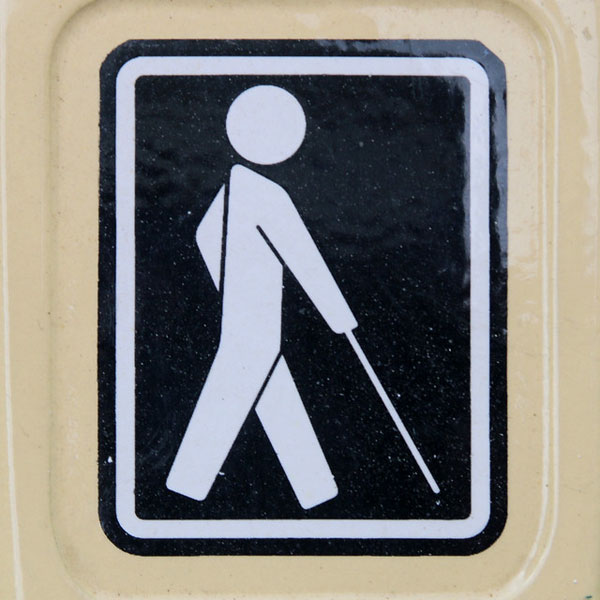
“Blind person,” Leo Reynolds

April 30, 2019; Fast Company

A recent study indicates that 75 percent of nonprofit boards don’t have anyone with a disability on them, despite 25 percent of Americans having a disability. This contributes to nonprofits’ lack of consideration of things like physical accessibility, language, captioning use, and cognitive accessibility for those who learn and perceive differently.

This carries outside the boardroom as well, with only around nine percent of the nonprofit workforce reporting having a disability, whereas 19 percent of the US workforce as a whole report a disability. RespectAbility, the disability rights group that conducted the survey, found that more than a third of respondents believe internal bias among leadership contributes to this gap. Organizations with even just one disabled employee or board member were nearly twice as likely to recruit more individuals with disabilities. But only 38 percent of organizations recruited inclusively.

Seventy-two percent of people who work in nonprofits believe their organizations are committed to Diversity, Equity, and Inclusion (DEI) and have policies to support that. But RespectAbility’s study shows that many organizations fall short. When organizations do prioritize DEI initiatives, disability often falls far behind race, gender, and sexual orientation. Only 68 percent of DEI policies in the study specifically focus on disability.

Sign up for our free newsletters

Subscribe to NPQ's newsletters to have our top stories delivered directly to your inbox.

By signing up, you agree to our privacy policy and terms of use, and to receive messages from NPQ and our partners.

NPQ previously covered this topic in 2017, and noted then that:

There is a total of 1.5 million nonprofit organizations registered in the US, most of which likely serve people with disabilities, even though that is not their focus, and they may not even be aware of it. Further, since a number of disabilities are invisible, it’s likely that all organizations serve people with disabilities whether they know it or not.

RespectAbility offers guidelines to improve an organization’s inclusion of people with disabilities, beginning with a change in culture and priorities. Including people with disabilities in all DEI statements, as well as websites and print materials about the organization, lets people with disabilities know they are valued and present in your work. And do not limit organizational understanding of disability to one demographic or one type of disability. Recognize disability from birth, acquired disability, and those “in the closet” with stigmatized or less visible disability.

When people with disabilities are included in planning, leadership, grant writing, and programing, they are able to share their voices and experiences, which matters. The phrase “nothing about us without us,” cited by author James Charlton, means that people with disabilities must be valued as essential contributors to every sector and community, including the nonprofit world. People with disabilities have a perspective that those without do not have—including people with disabilities in leadership roles shines a light on areas that may have been missing before, providing more holistic services, programs, and workplaces.—Ember Urbach


Our Voices Are Our Power.

Journalism, nonprofits, and multiracial democracy are under attack. At NPQ, we fight back by sharing stories and essential insights from nonprofit leaders and workers—and we pay every contributor.

Can you help us protect nonprofit voices?

Your support keeps truth alive when it matters most.
Every single dollar makes a difference.

Donate now
logo logo logo logo logo
About the author
Ember Urbach

Ember Maselli Urbach is the Director of the Centralized Training Institute at the Chicago Metropolitan Battered Women’s Network. Ember received her Master’s in Social Work, focusing on social policy and administration, from Florida State University. Ember also holds a Bachelor of Arts in Humanities and a Bachelor’s of Science in Psychology. Ember has held various roles in nonprofits at the university level, micro-level in victim services, and now as a director for a network organization. She hopes to continue to learn, educate, and collaborate with her community with the goal of creating a socially justice and inclusive world. Her interest areas include social justice, feminism, queer issues, and domestic violence.

More about: Disability JusticeEquity-Centered ManagementNonprofit News
See comments

Sidebar-WTC
You might also like
Feeling Invisible, Many Disabled Caregivers Also Need Support
Sara Luterman
Disability Groups Are Standing United for Trans Rights. That Hasn’t Always Been the Case.
Sara Luterman
90 Percent of Student Discrimination and Harassment Complaints Were Dismissed Last Year. Here’s Why.
Nadra Nittle
Giving Bigger, Organizing More Boldly: Centering Disability Justice
Katrina Schaffer
The Danger ICE Poses to the Disabled Community
Alison Stine
The Silent “Cinderella” Disease
Rebecca L. Root

Upcoming Webinars

Group Created with Sketch.
June 25, 2:00 pm ET

Reframing Organizational Risk

Register
Group Created with Sketch.
July 16, 2:00 pm ET

Readying for the 2026 Midterms

How 501(c)(3)s Can Educate and Advocate During this Election Season

Register

    
You might also like
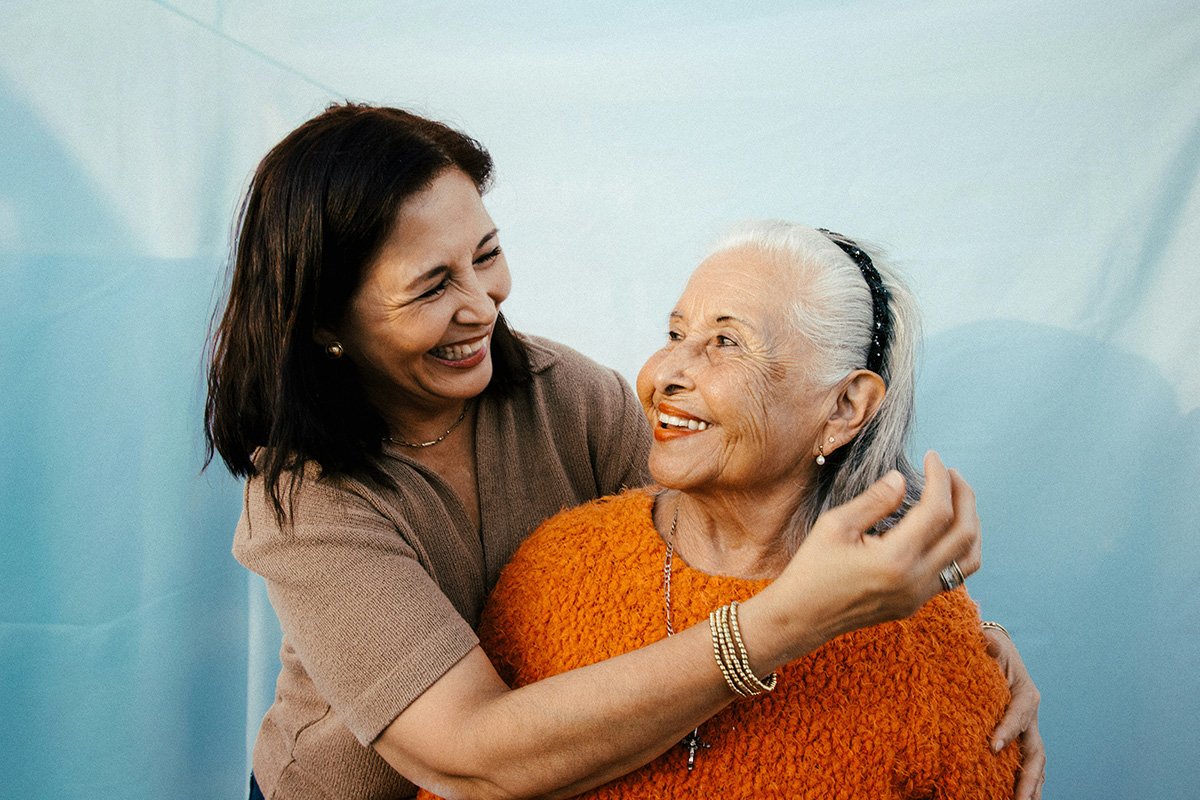
An adult hispanic woman with a brown hair smiles and embraces and elderly woman sith silver hair and an orange sweater. They are looking at each other and smiling.
Feeling Invisible, Many Disabled Caregivers Also Need...
Sara Luterman
A vintage television dispalying an image of a woman’s hand lighting planet earth on fire with a handheld lighter.
When Broadcast News Abandons the Climate Beat, Movement...
Shilpi Chhotray
An illustration of a woman blowing out a lit match, but an illustration of the earth is peeaking out from under the flames.
The planet is overheating. Why is the news looking away?
Grist

Like what you see?

Subscribe to the NPQ newsletter to have our top stories delivered directly to your inbox.

See our newsletters

By signing up, you agree to our privacy policy and terms of use, and to receive messages from NPQ and our partners.

  • About
  • Advertise
  • Careers
  • Contact
  • Copyright
  • Donate
  • Editorial Policy
  • Funders
  • Media Relations
  • Privacy Policy
  • Submissions

We are using cookies to give you the best experience on our website.


Nonprofit Quarterly | Civic News. Empowering Nonprofits. Advancing Justice.
Powered by  GDPR Cookie Compliance
Privacy Overview

This website uses cookies so that we can provide you with the best user experience possible. Cookie information is stored in your browser and performs functions such as recognising you when you return to our website and helping our team to understand which sections of the website you find most interesting and useful.

Strictly Necessary Cookies

Strictly Necessary Cookie should be enabled at all times so that we can save your preferences for cookie settings.