In Defense of Civil Society, a column from the staff at Protect Democracy, provides timely, research-driven analysis on why protecting American democracy requires protecting civil society and how nonprofits can navigate this moment, stand in solidarity, and continue our mission-oriented work.
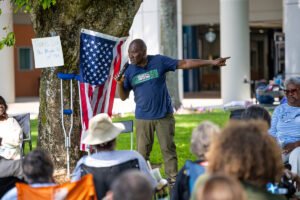
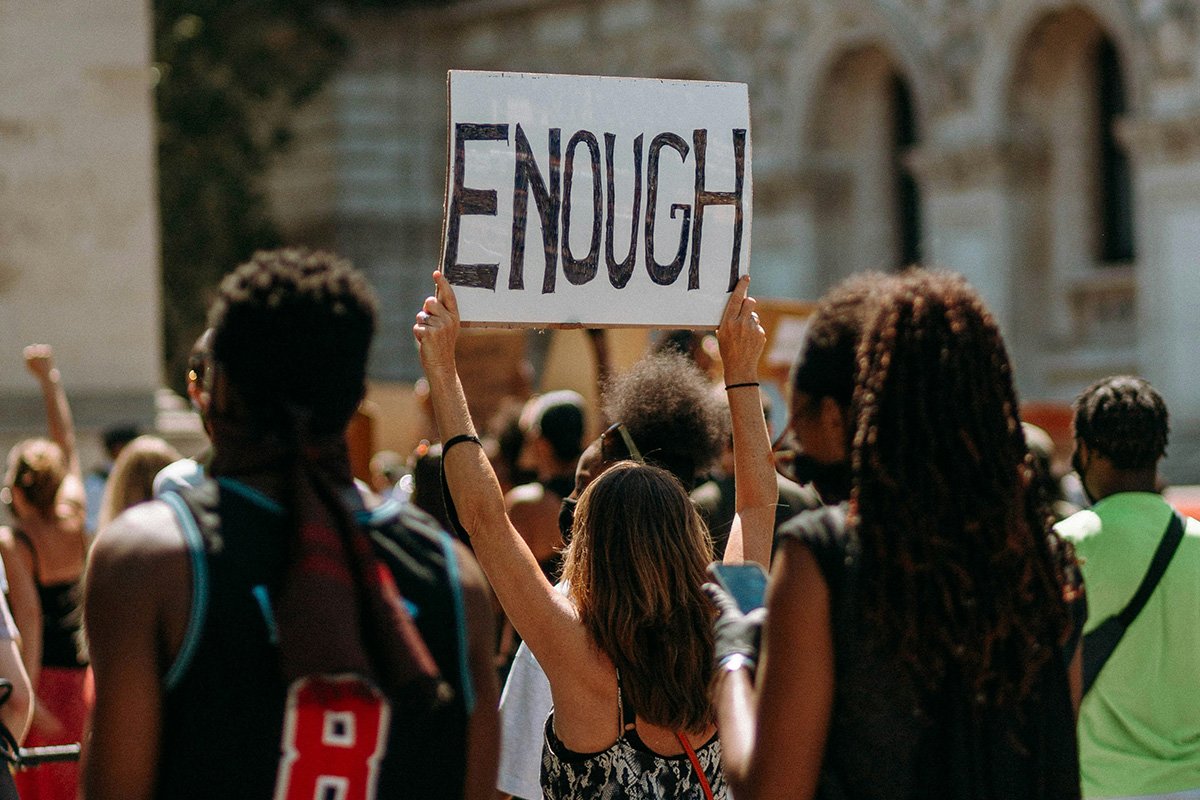
In recent months, Americans have taken to the streets in record numbers to protest and dissent. Broad swaths of our communities—everyday people—gather at protests big and small across the country to object to the Trump administration’s immigration enforcement tactics or to express general opposition to its policies. The administration has attempted to suppress these powerful protests in various ways, including through criminal prosecutions of peaceful protesters.
This past June, 15 people in Minneapolis were federally indicted for allegedly participating in a conspiracy to prevent immigration agents from discharging their duties. No injuries to law enforcement were charged, and there are scant specific allegations that the defendants engaged in acts of violence or force, yet they face sentences of up to five years in federal prison.
The Minneapolis prosecution comes on the heels of similar conspiracy indictments directed at protesters in Los Angeles, Spokane, and Chicago. Taken together, these actions make clear that the Trump administration is intent on prosecuting protesters and critics as “conspirators” for organizing together in opposition. The goal is to instill fear of guilt by association and to chill participation in collective action—to make it seem like participating in a Signal chat or showing up at a demonstration could lead to criminal investigation.
Rather than backing away from nonviolent people, groups, or organizations targeted by prosecutions and investigations, nonprofits must continue to embrace them, both practically and rhetorically.
The Minneapolis indictment emerged from a campaign of extensive, targeted surveillance of groups opposed to the surge in immigration enforcement in Minneapolis. That campaign was initiated pursuant to the 2025 White House directive known as NSPM-7. In early September 2026, the defendants filed evidence in court showing the breadth of that investigation: Undercover federal agents attended organizing meetings at churches, libraries, union halls, schools, and restaurants. They used secret subpoenas to obtain years of financial records of national organizations that were not even linked to any alleged wrongdoing. Prosecutors ultimately showed the grand jury a slide asserting that 18 groups, including the AFL-CIO, were part of the conspiracy. (Protect Democracy and our partners filed an amicus brief in the case, situating this indictment in the administration’s broader campaign to retaliate against its political opponents.)
In our democracy, US civil society plays a critical role in protecting civic space for robust debate and opposition to government policies. Understanding why these conspiracy prosecutions are dangerous—and being prepared to respond—is critical to that mission. Rather than backing away from nonviolent people, groups, or organizations targeted by prosecutions and investigations, nonprofits must continue to embrace them, both practically and rhetorically. The goal is to reassure individuals and organizations that they are safe in continuing their work—which, in turn, strengthens civil society’s collective power in the face of these attempts to suppress it.
Don’t Take These Indictments at Face Value
Why should we be skeptical of these conspiracy prosecutions? After all, each indictment describes at least some actions that sound like they could be illegal—protesters talking, for example, about disrupting ICE enforcement activities, including some individuals offering to block ICE activities with their bodies or vehicles. But we shouldn’t take any of these accusations at face value—in Minneapolis or anywhere else.
To start, each time the government announces such a prosecution with much fanfare (which often includes a major press conference), it’s worth remembering the story may not be what it seems. Unfortunately, it has become clear that this Department of Justice often lies about basic facts. More than 500 people have been charged with assaulting immigration agents over the past year, and The New York Times found that in almost half of those cases, the charges were later dismissed, withdrawn, or the defendants were acquitted. Many others are ongoing. In dozens of these cases, court records and video footage show that it was federal agents, not defendants, who initiated physical confrontation—shoving, tackling, or using pepper spray—and many defendants successfully argued that what they’d been accused of was actually self-defense. Prosecutions of protesters have also been marred by government misconduct. Judges have repeatedly rebuked prosecutors and immigration agents for misrepresenting facts and withholding evidence, and two judges found that agents deliberately destroyed evidence—in one case, directing a defendant to delete photos from his phone. In the Broadview 6 case in Chicago, the government dismissed the case after defendants exposed its misconduct before the grand jury. Overall, The New York Times analysis found more than 30 other instances of government misconduct in these cases, including destroying evidence and making false or exaggerated claims.
Second, consider that the illegal acts charged as federal conspiracies are crimes that typically would be charged under state law, often as misdemeanors, if not for the Trump administration’s interest in suppressing the defendants’ political message. Is blocking streets by linking arms unlawful? Perhaps under state or local law. But it’s the kind of nonviolent civil disobedience that civil rights leaders taught about. Is it a federal conspiracy or related to domestic terrorism? No. Yet that is how it is being investigated and charged.
Moreover, using conspiracy charges allows the government to frame the defendants’ speech as part of a criminal enterprise, and thereby criminalize what might otherwise be protected First Amendment speech. Most of those in the alleged “conspiracies” are not accused of any violence. In Minneapolis, the government indicted several people for allegedly participating in Signal chats, meetings, and discussions about actions, without alleging they interacted with law enforcement at all. The move to overcharge and federalize these prosecutions is extremely dangerous to the free exchange of ideas vital to democracy—as evidenced by the fact that federal prosecutors have resigned rather than participate in these cases.
These criminal indictments are part of the administration’s plan to divide and silence the opposition at a time when solidarity is more important than ever. As we enter the final months before midterm elections, the administration’s plan to disrupt the elections and deny the results if its preferred candidates don’t prevail is on obvious display. By prosecuting Americans who participate in protest and dissent now, the White House hopes to splinter the opposition and make civil society hesitant to mobilize, particularly in response to election interference by the administration.
Remember Dissent Is Patriotic
These conspiracy prosecutions aim to paint dissent as violent and dangerous. Our job as civil society leaders is to flip this script.
The protest movements of the last several years remain almost without exception an organic groundswell of nonviolent community organizing. Americans have effectively organized to coordinate community responses to attacks on civil rights. In fact, it is the very effectiveness of these protests—which forced the end of immigration enforcement surges in Chicago and Minneapolis—that makes Trump’s DOJ so determined to criminalize and chill them.
Sign up for our free newsletters
Subscribe to NPQ's newsletters to have our top stories delivered directly to your inbox.
By signing up, you agree to our privacy policy and terms of use, and to receive messages from NPQ and our partners.
By prosecuting Americans who participate in protest and dissent now, the White House hopes to splinter the opposition and make civil society hesitant to mobilize, particularly in response to election interference by the administration.
Instead of letting the administration push people to fear and silence, we must continue to affirm that dissent is patriotic—even heroic. Assertive public messaging on these points, along with unwavering solidarity among organizations, is the best way to protect our own organizations and to strengthen civil society as a whole.
This movement is part of a proud American tradition of protest and civil disobedience. From the Boston Tea Party in the 18th century through the women’s suffrage movement and the civil rights movement in the 19th and 20th centuries, Americans have defied government policies that they believe violate their civil rights and civil liberties. Protest is how Americans make clear that they need something more or different from the government—especially when they feel their voices are not being heard in the halls of power.
If the administration succeeds in painting protesters as a fringe group of extremists, that justifies further suppression of dissent and erosion of the free-speech rights that Americans still hold so dear. The Trump administration wants to usher in a dark future where protest really is lonely and risky—which it currently is not.
Get Smart About Messaging
Civil society organizations and leaders can and must speak out forcefully in response to the prosecution of dissent, emphasizing that what is happening here is ideological targeting rather than neutral enforcement of the law. Communications should make clear that peaceful protest and organizing are separate from the very small number of fringe cases of violence, resisting the attempt to conflate the two via conspiracy indictments.
Centering values and democratic principles—like free expression, listening even when we disagree, and organizing with our neighbors to advocate for what we believe—is important with every audience. For aligned audiences, such as volunteers and supporters known to agree with protesters, messaging can go further, framing protest and organizing as patriotic and historically effective. Grounding communications in these broad principles will make them more persuasive than discussing the legal details of what makes speech protected by the First Amendment.
It also generally makes sense for civil society leaders to avoid discussing the factual and legal details of specific prosecutions. Any remarks of that kind should come from attorneys or others close to the prosecutions. However, that does not mean one should avoid responding to particular prosecutions, including at the moment of an indictment, when the DOJ seeks to capture the narrative.
Make sure not to assume that indicted protesters have in fact engaged in violence. It is imperative to condemn violence while remaining clear that (a) facts evolve, (b) the federal government frequently lies, and (c) most of those in alleged “conspiracies” are not accused of any violence. Example messages include:
- We don’t know all the facts here, but what we do know is that lately, the Department of Justice’s version of the story has frequently fallen apart when examined by judges and juries.
- These prosecutions are meant to make us think protesters are terrorists and thugs. But the truth is that the overwhelming majority of those protesting this government are neighbors getting together to raise their voices and protect each other. This is not some fringe movement—it involves Americans from all over the country and from all walks of life.
- Protesters often express their views while breaking laws (like entering spaces where they are not legally allowed, or blocking traffic) to draw attention to those views. This kind of civil disobedience—linking arms, blocking an ICE vehicle—is not the same as violence, and treating these actions like “domestic terrorism” is a form of government censorship, targeting disfavored political viewpoints for prosecution.
Practice Solidarity Safely
The guilt-by-association strategy reflected in these conspiracy indictments is an attempt to isolate targets and divide the administration’s political opposition. Reemphasizing solidarity is therefore the key to resisting.
One beautiful demonstration of this kind of solidarity came in response to revelations about the breadth of the NSPM-7 investigation in Minneapolis. A large coalition of Minneapolis-area organizations signed onto a coalition statement that touches on many of the talking points described above. It closes with this powerful statement: “Minnesotans have already proven we won’t cave to bullies. We know the power we have when we organize and act together, and we’ll continue using that power to defend our neighbors and our freedoms.”
Find a way to stay grounded in shared values. And above all, get loud—that’s the thing authoritarians fear most.
How does an organization work both to keep its own organization safe and to reassure others that they can safely continue their work? Organizations can practice smart solidarity in several ways:
- Understand your organization’s risk tolerance early on. Organizations can benefit from advanced discussions about what they are prepared to do and say if a coalition partner, a grantee, or their own staff comes under investigation for protest activity. That means working through concrete scenario-planning (ideally with the help of legal counsel). It also means identifying which types of solidarity your organization wants to engage in publicly or privately: sign-on letters, public statements of support that uplift core messaging principles, behind-the-scenes coalition-building, etc.
- Begin conversations with your staff, board members, and funders now. It’s important to emphasize the administration’s intention behind these excessive indictments and investigations: to conflate ordinary civic participation with membership in a violent criminal enterprise, and to get institutions to withdraw from each other before anyone has been convicted of anything. Discussing the reasons behind the indictments helps ensure no one is reacting out of fear. Moreover, how philanthropy responds to an indictment is particularly important. If filing charges alone is enough to dry up funding and deplete organizational resources, then the administration will have unlocked a straightforward way to kneecap civil society opposition. The outpouring of solidarity that has followed the decision by some donor-advised fund sponsors to cut off Southern Poverty Law Center because of its prosecution provides an inspiring model and a rebuke to those decisions.
- Be deliberate about operational security within and outside your organization. Strong operational security allows organizations to continue to work together with the right safeguards in place. It is particularly important in light of the Minnesota indictments—where federal agents spied on in-person meetings and Signal chats. Coalitions can minimize these risks by implementing good safety and security protocols—particularly on communications channels like Signal or Slack. These include consistently vetting users in your group chat (such as confirming they are who they say they are), ensuring message auto-deletion, and having a plan if you discover your chat has been infiltrated. (Protect Democracy’s guide on Operational Security for Coalitions offers more information on best practices.)
Good Trouble, Necessary Trouble
As the administration ratchets up its crackdown on those who engage in peaceful protest and dissent, civil society must respond in equal measure. Now is not the time to back away or withdraw. US civil society plays a critical role in protecting civic space for robust debate and opposition to government policies.
So, be skeptical of the government’s version of events—and remember that the goal of these criminal prosecutions is to create the kind of fear that fractures coalitions and destroys movements. Find a way to stay grounded in shared values. And above all, get loud—that’s the thing authoritarians fear most. As John Lewis once said, “Get in good trouble, necessary trouble, and help redeem the soul of America.”