
When Atlanta homeowner Anh Nguyen applied for a no-cost solar installation through Georgia BRIGHT, she was seeking a practical way to access a solar power program designed for lower-income Georgia households. Instead, she found herself alongside legal advocates, nonprofits, and solar businesses in a federal lawsuit over the fate of the Solar for All program.
This unusual group of plaintiffs is only the starting point of a much larger story. The Solar for All initiative was more than just a program for lower-income households. It has become a form of civic infrastructure built around a federal program. In Georgia, a coalition of nonprofits, businesses, residents, community organizations, and municipalities organized the program’s funding. Capital Good Fund’s $156 million award was intended to expand solar across the state while supporting community needs. The U.S. Environmental Protection Agency’s (EPA) termination of the program raises a broader question: What happens to the civic infrastructure built around a federal program when the government withdraws its commitment?
The lawsuit that revealed hidden infrastructure
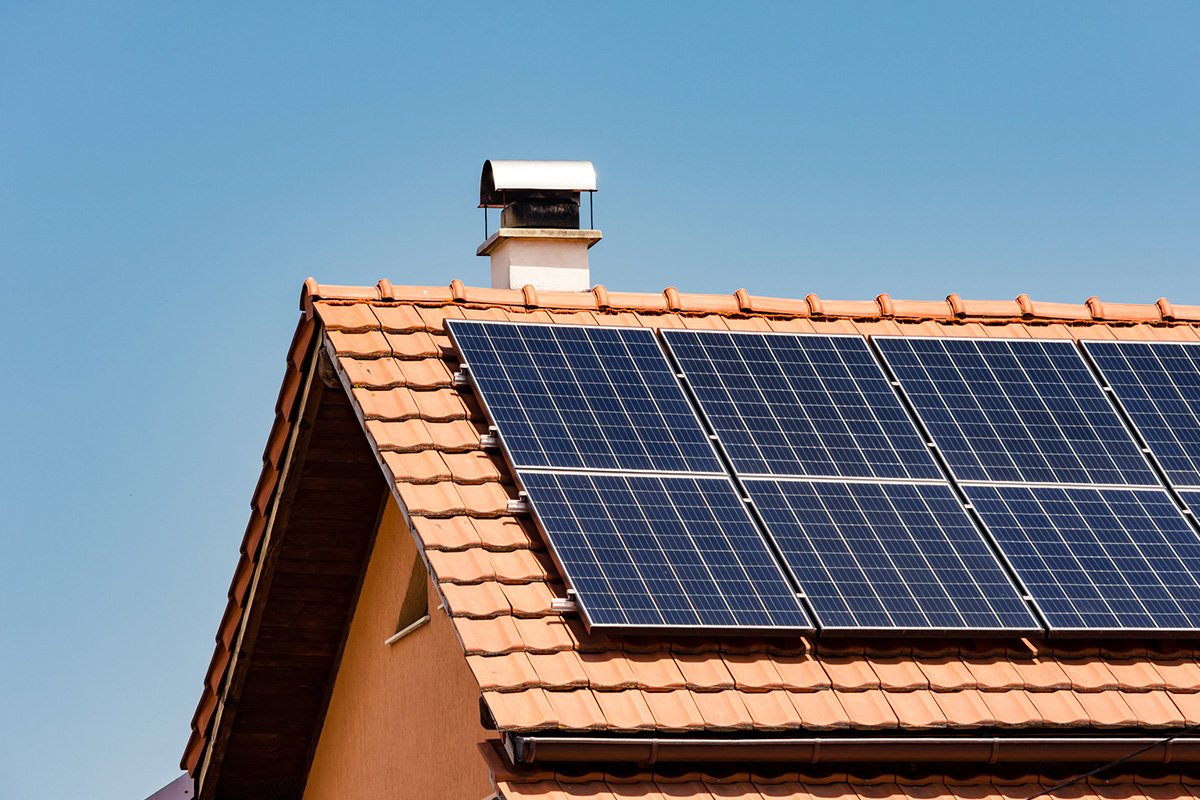
In August 2026, EPA Administrator Lee Zeldin announced the end of the $7 billion solar program, saying “EPA no longer has the authority to administer the program or the appropriated funds to keep this boondoggle alive.” The program was created to enable 900,000 households in low-income and disadvantaged communities to benefit from distributed solar energy. Georgia BRIGHT was one of the programs created as a result of a $156 million award. The program offered rooftop solar arrays at no cost to Georgia households earning 80 percent of their area’s median income, and Nguyen was one of the households who applied.
Following the EPA’s decision, a group effort to sue the EPA followed. “For more than a year, families and communities have seen higher energy bills while billions of dollars intended to lower electricity costs sat out of reach. Today’s decision makes clear that EPA unlawfully terminated the Solar for All program,” said Jillian Blanchard. Blanchard is the senior vice president of climate change and environmental justice at Lawyers for Good Government, one of the groups that brought the lawsuit on behalf of a coalition of workers, homeowners, businesses, and nonprofits.
This map of infrastructure documents something that looking at a grant award alone cannot offer: a network of institutions that have been translating federal dollars into local capacity.
Ultimately, the lawsuit succeeded when federal judge Mary McElroy restored the program. Yet the lawsuit’s success isn’t the most interesting part. It’s what the lawsuit revealed. Looking at the composition of the plaintiffs in the lawsuit, it becomes clear that Solar for All extended far beyond the federal agency that administered it. The plaintiffs were not merely organizations seeking to preserve a government grant—they held positions within the actual network that the program had begun to create. This network consisted of legal advocacy, labor, solar development, nonprofits, and households.
When the federal program was in place, it was more than just a solar grant that was interrupted. It was a network that had spent years organizing around the promise of funds that were in place.
The September 18 ruling lists the plaintiffs as Rhode Island AFL-CIO, Rhode Island Center for Justice, Anh Nguyen, Solar United Neighbors (“SUN”), Sunpath Consulting LLC d/b/a Sunpath Solar, 2KB Energy Services, LLC (“2KB”), Energy Independent Solutions (“EIS”), and Black Sun Light Sustainability (“BSLS”).
In the lawsuit, the solar energy company plaintiffs said they had already invested in more personnel, equipment, infrastructure, and software based on grant funding awarded. This map of infrastructure documents something that looking at a grant award alone cannot offer: a network of institutions that have been translating federal dollars into local capacity.
Sign up for our free newsletters
Subscribe to NPQ's newsletters to have our top stories delivered directly to your inbox.
By signing up, you agree to our privacy policy and terms of use, and to receive messages from NPQ and our partners.
Georgia BRIGHT shows what had already been built
Georgia BRIGHT offers us a clear view of what can happen after a federal grant is awarded and how that money becomes a structure of programs, relationships, and organizations. In 2024, Capital Good Fund, a nonprofit Community Development Financial Institution, received $156 million as the lead applicant for the Georgia BRIGHT Communities program. The program built mechanisms for residents and stakeholders to shape how the program would operate. In 2024, the program convened a 40-member Community Advisory Board made up of residents including Nguyen, community leaders, nonprofit representatives, solar installers, and other stakeholders. The board members were tasked with advising on the program design, resource allocation, and strategy.
The planned infrastructure extends far beyond rooftop solar panels. The program also supports community outreach, education, and workforce development. Why does this matter? Because when the federal program was in place, it was more than just a solar grant that was interrupted. It was a network that had spent years organizing around the promise of funds that were in place.
What happens when nonprofits become the connective tissue between federal funding and community change? …This is the perfect example of how quickly one federal decision can disrupt a locally built infrastructure.
What the court restored—and what it didn’t
Judge McElroy declared that the EPA’s termination of the solar program was unlawful under the Administrative Procedure Act, and found that while Congress had rescinded unobligated Solar for All funds, it had not given the EPA the authority to cancel the grants. Even with the rescinded unobligated balances, the lawsuit argued that $7 billion in obligated funding remained and had already been awarded through the EPA’s Solar for All grants.
While the lawsuit was a success, it hasn’t fully resolved any legal uncertainty. Back in February 2026, the Solar for All program’s funding was frozen following an executive order from President Donald Trump, but the funds were unfrozen again the following month. There’s also some uncertainty from the fact that the EPA is still reviewing and considering whether to appeal.
For the civil society organizations built around the infrastructure of Solar for All, the court has restored the legal basis for grants to continue, but it cannot restore the time, momentum, and capacity lost while the grants were in limbo. What happens when nonprofits become the connective tissue between federal funding and community change? When the EPA terminated the program, Georgia BRIGHT paused its Solar for All programming. This is the perfect example of how quickly one federal decision can disrupt a locally built infrastructure.
The biggest lesson nonprofits can learn from the civil society coalition behind the Solar for All victory isn’t whether they can build civic infrastructure or whether they shouldn’t depend on federal funding. It is to stress the importance of thinking about how much of what they’re building can survive if and when federal funding disappears.