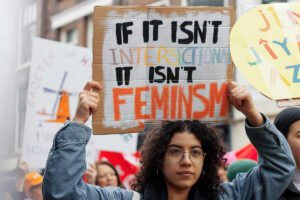
From 2020 through 2021, I found my stride as an organizer in my community. It started when I noticed the lack of representation of queer voices in our local Black Lives Matter movement, and I wanted to highlight the LGBTQIA+ community.
I learned of an event happening the following week and offered my assistance. I emailed dozens of organizations, inviting them to join and march with us. At first, it was only a couple hundred “interested” marks on Facebook. Eventually, those “interested” marks turned into a 2,000-plus attended rally. Shortly after the event’s success, I became the outreach coordinator of our localized grassroots organization: The Pride Liberation Movement. I used these growing connections to serve as an independent consultant for other Denver-Metro social justice efforts.
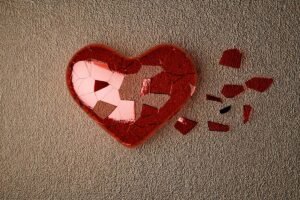
I wish I could say that things stayed that successful, but such is life. Before the second rally in 2021, I finally left my abusive relationship. My 24th birthday was spent standing in a courtroom, contesting my abuse to a judge to seek a restraining order. I found my liberation, but at the expense of losing my sense of stability.
In the years that followed, I withdrew from social justice efforts and became increasingly more isolated from my community. I didn’t know it then, but I was in survival mode—I no longer felt that I should or could hold space and felt alone. I had given so much of my time and energy to empowering everyone else around me, not realizing I had never done the same for myself.
“I had given so much of my time and energy to empowering everyone else around me, not realizing I had never done the same for myself.”
Then, in 2023, the time came for my healing to begin. I finished school and left a draining job. By the spring, I found myself packing up to leave my hometown. In the years that followed, I felt empowered to show up again, but in a different capacity. It was through small, consistent efforts that I found my voice again. Rather than holding the microphone for others, I chose to stand in the crowd and march side by side.
Sign up for our free newsletters
Subscribe to NPQ's newsletters to have our top stories delivered directly to your inbox.
By signing up, you agree to our privacy policy and terms of use, and to receive messages from NPQ and our partners.
During my time of isolation, I had forgotten that community relies on my ability to be a community member, too. I allowed myself to fall back, and to support other leaders instead of carrying the banner myself. Soon, I found myself joining a transformative outdoor educator training.
I found my way back to becoming a leader, in my own quiet, small way. I learned how to set boundaries, how to teach, and how to give and receive feedback in healthy ways. I learned that being a leader means recognizing our weaknesses and allowing others to show up to help bridge those gaps.
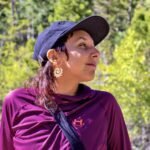
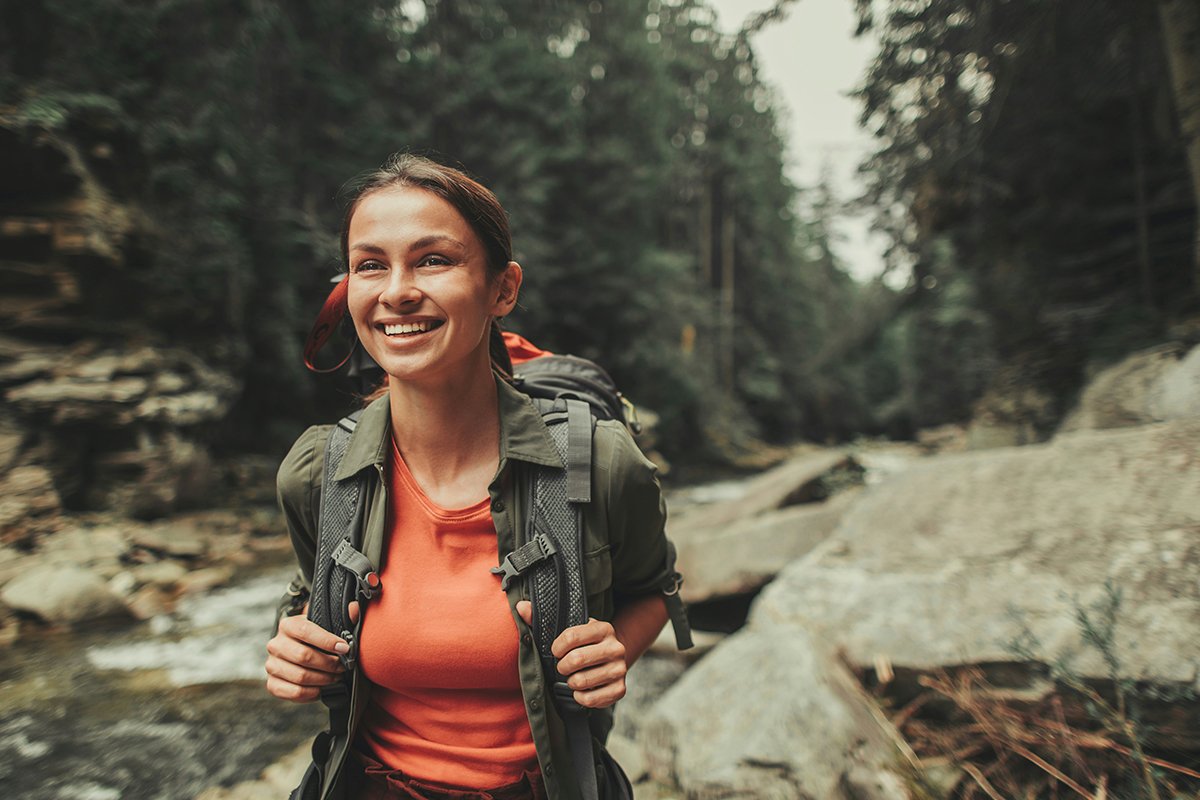
Today, I help co-facilitate outdoor recreation affinity courses. I am a BIPOC and queer backpacking instructor, and I love my work. I get to have hard conversations about our lived experiences with inequity, identity, and cultivating change. In empowering others, I find that I, too, feel empowered.
Being in outdoor spaces allows me the opportunity to connect with other people who align with my values while still having fun and finding joy.
We still have a long way to go before the outdoor industry reflects greater diversity. It’s estimated that only 13 percent of recreationists identify as Hispanic or Latine. Barriers to access to gear or knowledge continue to disproportionately impact marginalized communities. Despite these challenges, I know that simply being present in this space allows me to serve as a trailblazer.
For years, I was unsure if I would return to large-scale organizing. This fall, however, I am excited to begin a new role within a nonprofit that merges outdoor access with racial equity. What I understand today is that making an impact doesn’t have to be a grand gesture. Sometimes it’s in the ways that we choose to show up for ourselves that empowers others to follow suit.