

Welcome to the Nonprofit Quarterly’s first “Best of the Quarterly” issue. This marks NPQ’s sixth anniversary and such a retrospective is well past due. Thanks to our contributors, the NPQ has published some classics that stand the test of time in terms of their usefulness, and which provide a unique new perspective on issues that
Evaluating Foundations (To Whom, for What, and Who Says?)
If foundations have no market forces and few legal constraints to hold them accountable, is it any wonder that their evaluative efforts have fallen short? Can the value of “expressive philanthropy” be measured?
Is Accountability the Same as Regulation? Not Exactly.
Even the smallest nonprofits can’t and shouldn’t sidestep the runaway steamroller of the accountability conversation. Its motor is on and it’s got plenty of gas. Furthermore it is a legitimate issue for us all. Much better we leap aboard and try to help steer the conversation.
Nonprofit Conspiracy of Silence
Regardless of whether it is driven by politesse or short sighted self interest, nonprofit leaders are demonstrating a lack of probity at a time when it is most needed.
Nonprofit Truth or Consequences: The Organizational Importance of Honesty
 FROM THE ARCHIVES
Organizational untruths are pervasive and corrosive, explains Belton. Truth telling is an essential practice that helps people thrive in their organizations while leading to increased individual and collective energy.
Building Adaptive Communities through Network Weaving
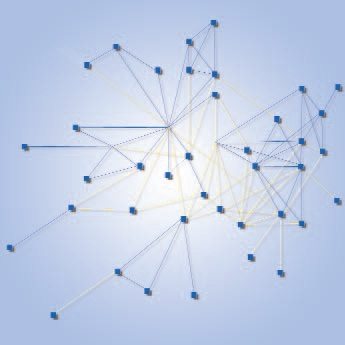
This is an article that focuses on the basic phases of building effective networks, using one grounded example to bring the theory to life. We recommend that readers look back also at Carl Sussman’s article (see Winter 2003, “Making Change: How to Build Adaptive Capacity”) and think about how the two approaches relate to one another in the achievement of real change.
Free Media? An Interview With Robert McChesney
Editors’ Note: In getting grounded in the media landscape we talked with Robert McChesney, an activist scholar in the area of media policy and founder of Free Press (www.freepress.net). McChesney’s description of the active approach toward publications and the press throughout U.S. history can inform and inspire us to shift ourmedia environment to one which is more relevant for an informed democracy.
Musical Auditors and Creative License in Grant Proposals: The Nonprofit Ethicist Is In

 FROM THE ARCHIVES
This is the first installment of NPQ‘s longest running column, the Nonprofit Ethicist. What is your dilemma? Advice in this column includes the Ethicist’s take on an MSO’s board issues, and what to do with a bad case of founder syndrome.
Welcome to Fall 2005
Welcome to the fall 2005 issue of the Nonprofit Quarterly entitled “Amplifying Democracy: Nonprofits and Communications.” Inside, we have included articles on everything from branding and social marketing to how communications fits in social change and organizing strategies. We have looked at how communities can be helped to reframe issues and what it takes to
Making Our Communications Strategic
To move an issue from being a concern of the already convinced to being a concern of a broader community, we need to cultivate that broader community.
Social Marketing: Changing Behavior

 Following are some tips from those that have succeeded using different methods—visibility and enforcement; education; and humor—and one example of a failed campaign.
Considerations at the Intersection: Community Organizing and Strategic Communications
In its work with hundreds of community groups across the country, the SPIN Project has observed a common set of questions emerging for organizers embarking on and evaluating communications efforts.