When is a relative overdependence on donors a good thing? Under the pandemic, some of the rules apply differently.
A Tale of Two Orchestras: Why Columbus Can Pivot while New York Does Not




When is a relative overdependence on donors a good thing? Under the pandemic, some of the rules apply differently.
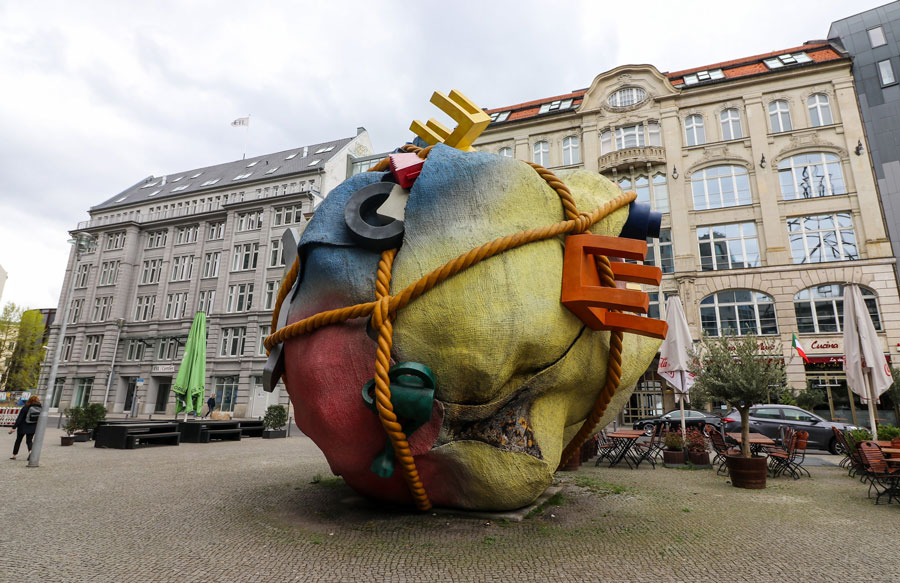
The nonprofit refugee resettlement system has been starved nearly to death even as we have reason to hope the US may reopen its doors to those seeking refuge.

What’s up with the resistance to affirmative action in a liberal state like California?
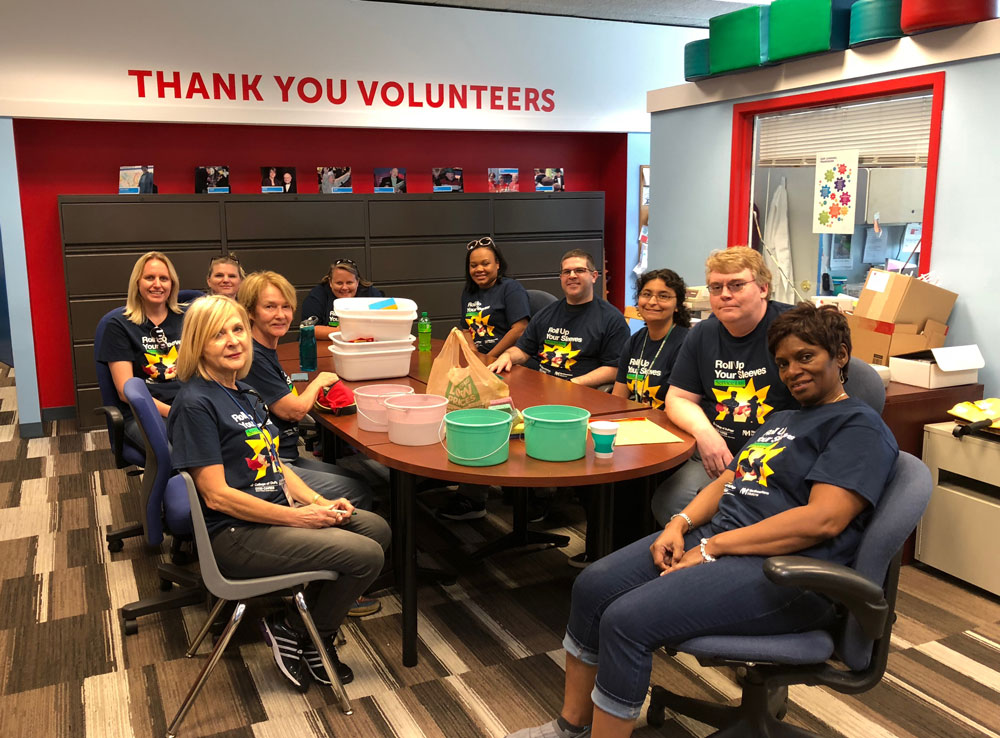
For nonprofits, volunteerism is the rich nexus of the instrumental and expressive, but it is too often unrecognized and underutilized for the many kinds of capital it builds.
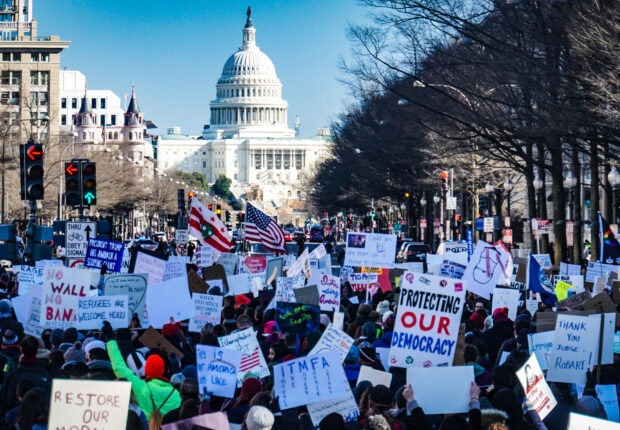
Efforts by the Trump administration to cast doubt on the presidential election results threaten to damage US democratic norms.
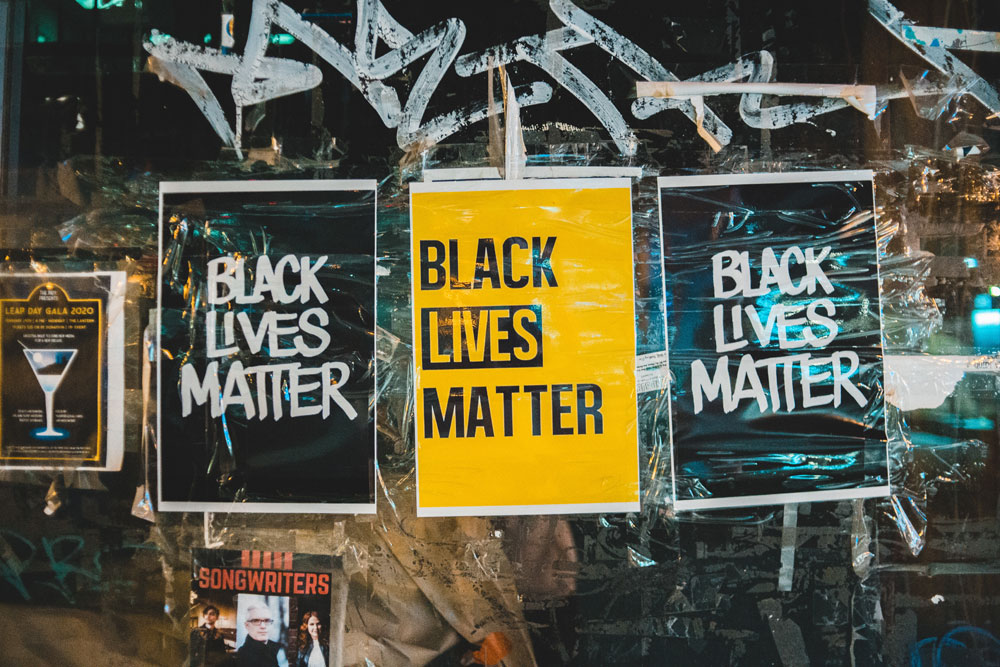
Philanthropy needs to take an intersectional approach—dismantling barriers around issue “silos”—to be more effective in addressing anti-Black racism around the world.
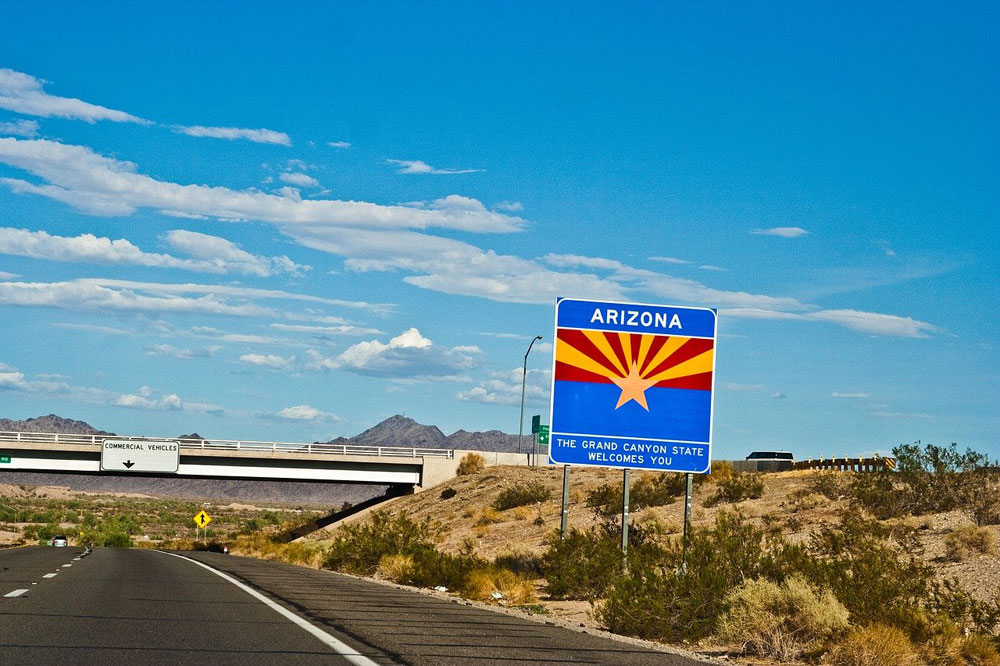
Arizona did not go blue overnight. The state’s political shift has been happening for years, thanks to advocates on the ground.
Cardona writes that the Ford Foundation’s interest in participatory philanthropy is part of a set of “longstanding calls for philanthropy to shift practices and share power.”
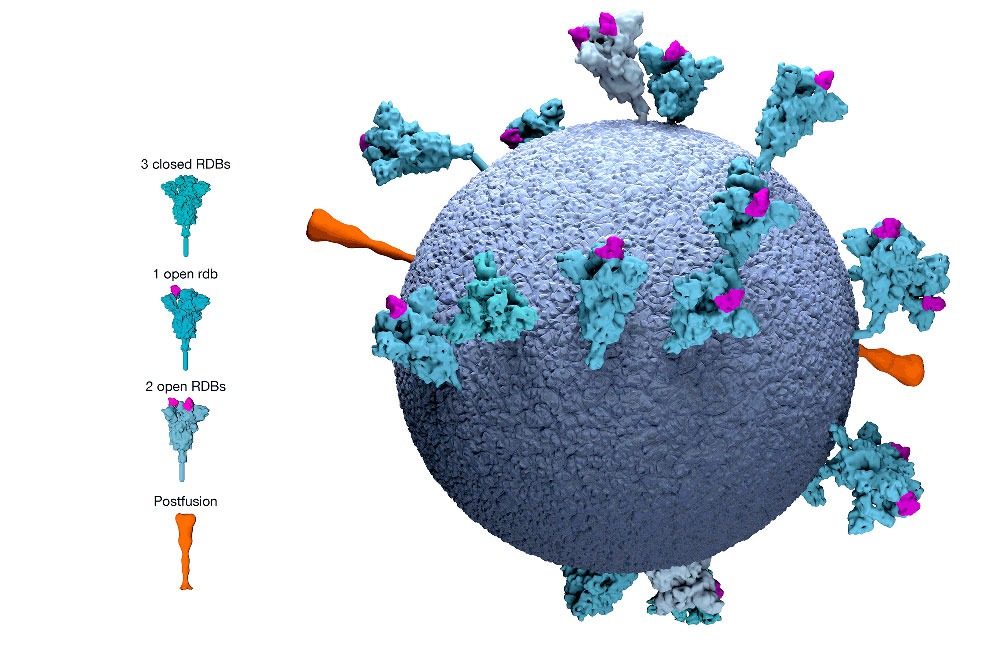
It’s not over till it’s over when it comes to getting a vaccine to those who most need it. Should the pharmaceutical field be for profit?
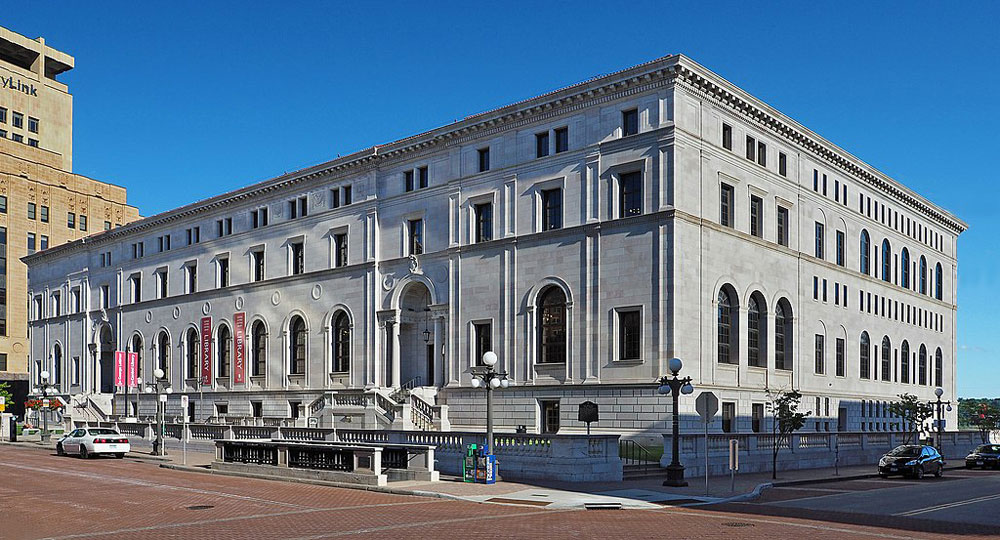
When the chips are down, libraries’ role often grows, as has occurred in Minnesota amid COVID-19. That does not mean the funding is there to meet the demand.
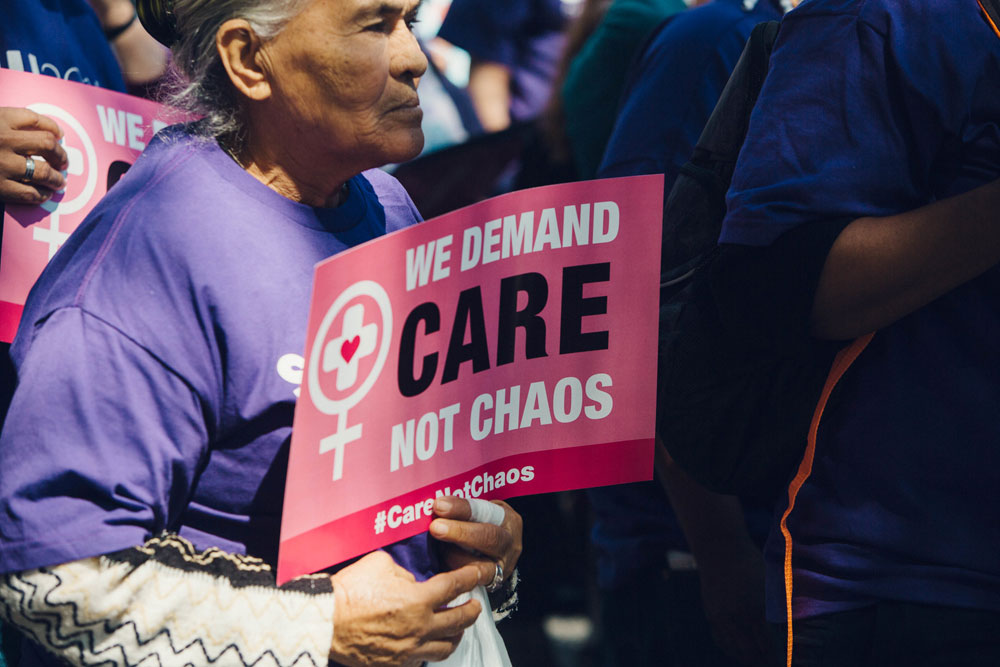
Court watchers and pundits all seem to be leaning in one direction when it comes to the likelihood of the US Supreme Court damaging the Affordable Care Act.
During this year of civil unrest and reckoning, you’ve likely felt a particular urgency to consume trusted journalism that digs deep to tell the stories and systemic issues of our community. But we’ll let you in on a secret. We feel that urgency and duty 24/7, 365 days a year because the future of our