More than one million US adults currently have legal guardians. Many face severe limits on their civil rights as a result. This situation is unnecessary and must change.
Why Guardianship Reform Is a Civil Rights Imperative



More than one million US adults currently have legal guardians. Many face severe limits on their civil rights as a result. This situation is unnecessary and must change.

Advocates warn that efforts to eliminate the US Department of Education could undo decades of progress in education for students with disabilities.
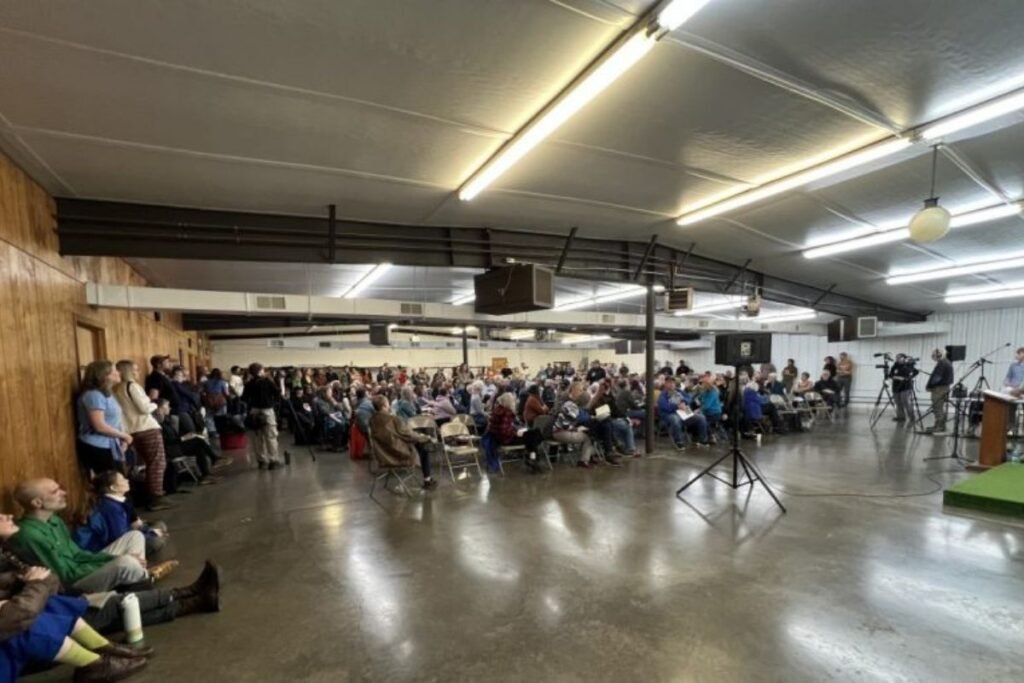
People in a West Virginia community want transparency about massive data center projects proposed for their county—but haven’t gotten it.

Grants are being canceled all over the United States. One professor at Northern Arizona University offers a first-hand account of what this means for students and teachers.

With the fate of Job Corps uncertain, HBCU leaders are stepping up to help impacted students.

Women and nonbinary people of color already face economic burdens. Although blocked for now, how could Trump’s proposed tariffs impact them?

Many nonprofits and activists plan out of fear, not possibility. Black imagination offers valuable lessons from the tradition of making a way out of no way.

Pride groups face up to six figure deficits in their budgets due to corporations pulling support. How can LGBTQ+ nonprofits make up the difference?
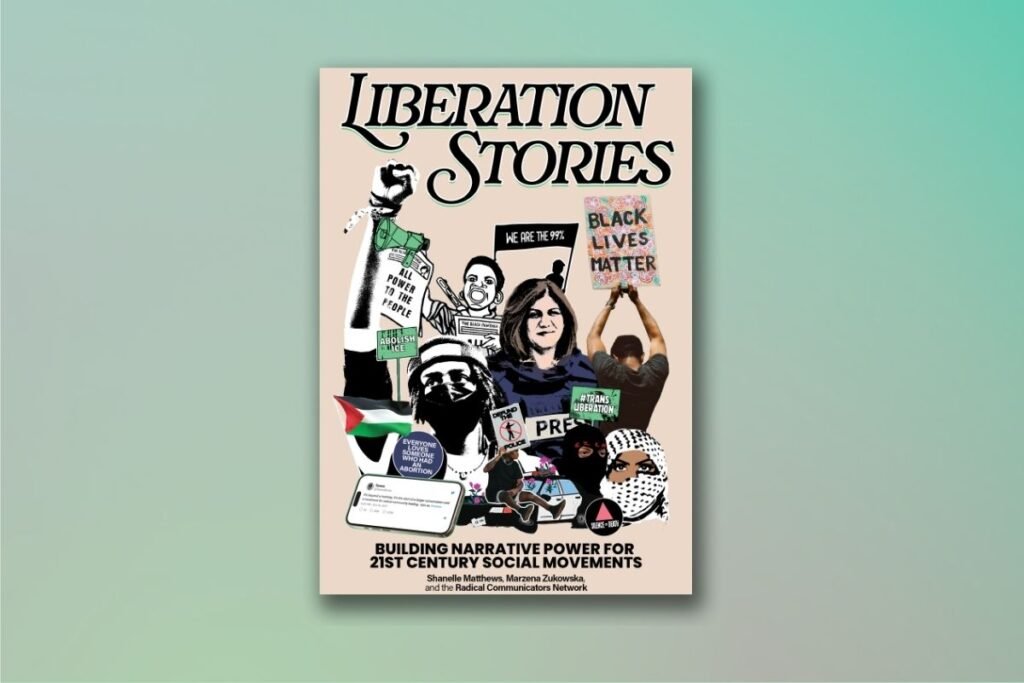
The need to “change the narrative” is often articulated. But how is this done? In this interview, two editors of a new book on “liberation stories” offer their perspectives.
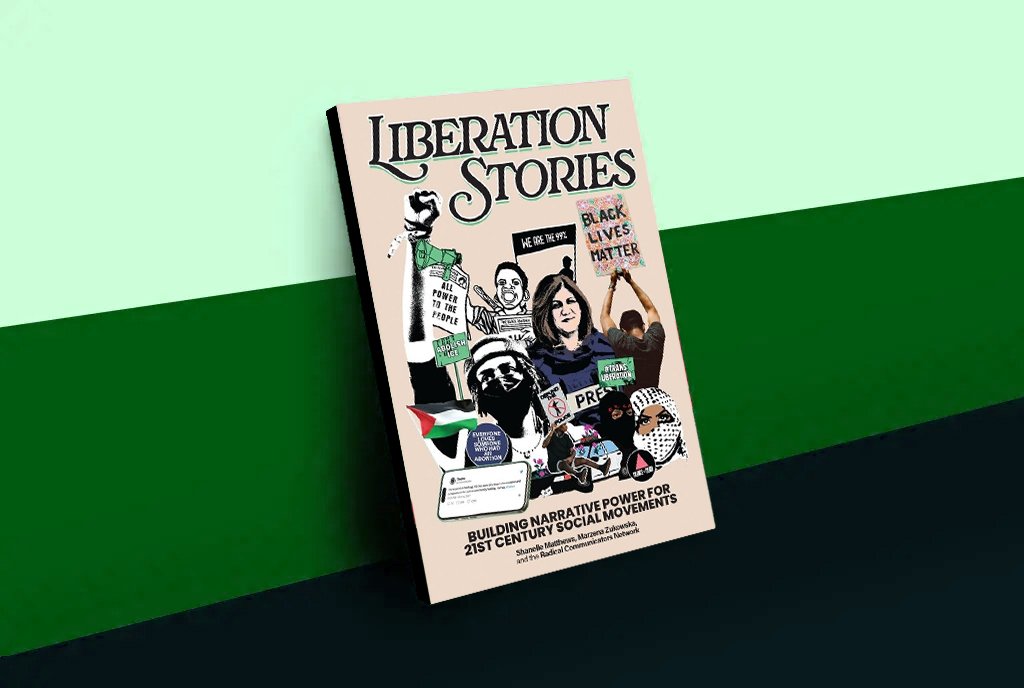
To change the world requires altering how we see the world, and that requires narrative change. In this book excerpt, the authors offer a framework for how to do so.

The United States has over a million nonprofits, but the majority of them to do not have paid staff. What do we know about this largely hidden part of the nonprofit sector?

As the Trump administration’s brazen corruption continues, grassroots organizations and nonprofits stand as a critical bastion of resistance, with the opportunity to develop new systems of care that center the many rather than the few.