
In 2024, a woman sat in her seat at the Apollo Theater as WITNESS moved through one of its most difficult passages. Afterward, she said something I have not stopped thinking about: “People lived through this, so I am going to make myself experience this.”
At that moment, she made a civic decision not to watch the performance for enjoyment, but to allow herself to be uncomfortable.
That distinction is at the heart of the challenge facing the reparations movement. We have spent decades building the legal case, the policy architecture, the economic argument. Organizations have published reports. Lawyers have argued before courts. Legislators have introduced bills. And still the public conversation stalls, fractures, and retreats into the same positions it has held for a generation.
The problem is not the argument. The problem is that argument alone cannot do what this moment requires, which is reimagining the mere possibility of repair. Policy can codify repair. It cannot create the emotional conditions required for a public to receive it.
Policy cannot move faster than public imagination. Right now, public imagination on reparations is years behind the policy conversation. Most Americans have never had an experience that allowed them to sit with this history in their bodies, in community with strangers, in a room where turning away required a deliberate act. We have given people statistics and op-eds and panels. We have not given them an encounter with the history itself, experienced collectively rather than alone.
That absence is not incidental. It is structural.
I am a choreographer. Over time, I realized I was not simply making performances. I was building spaces where people could confront history together, not as spectators observing the past from a safe distance, but as a community choosing, in real time, to stay present with it.
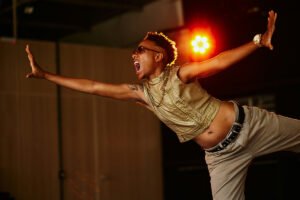
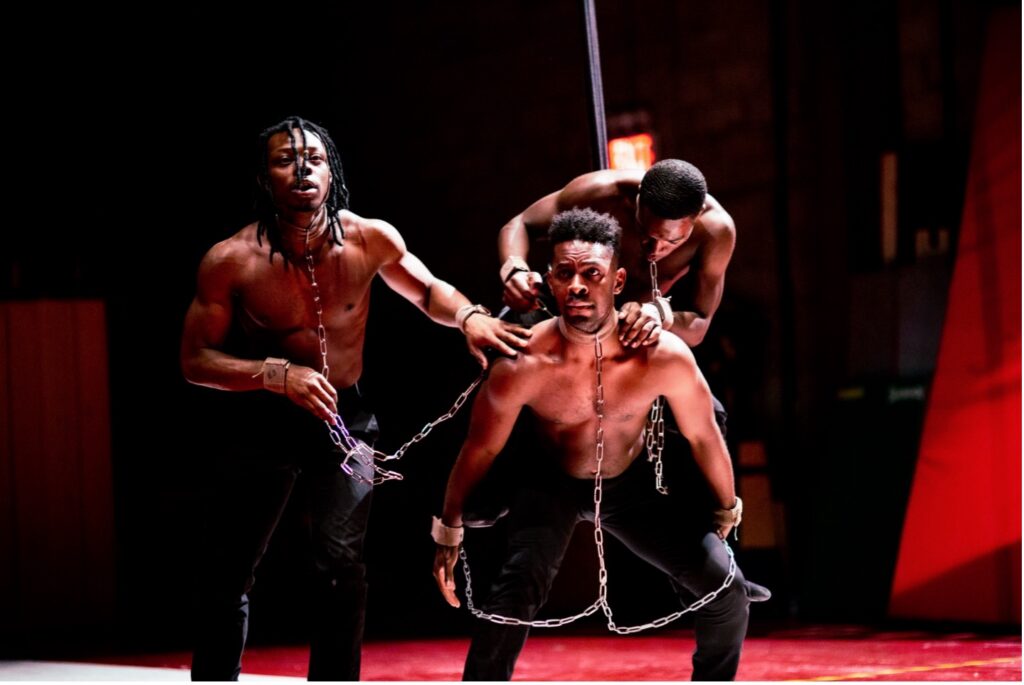
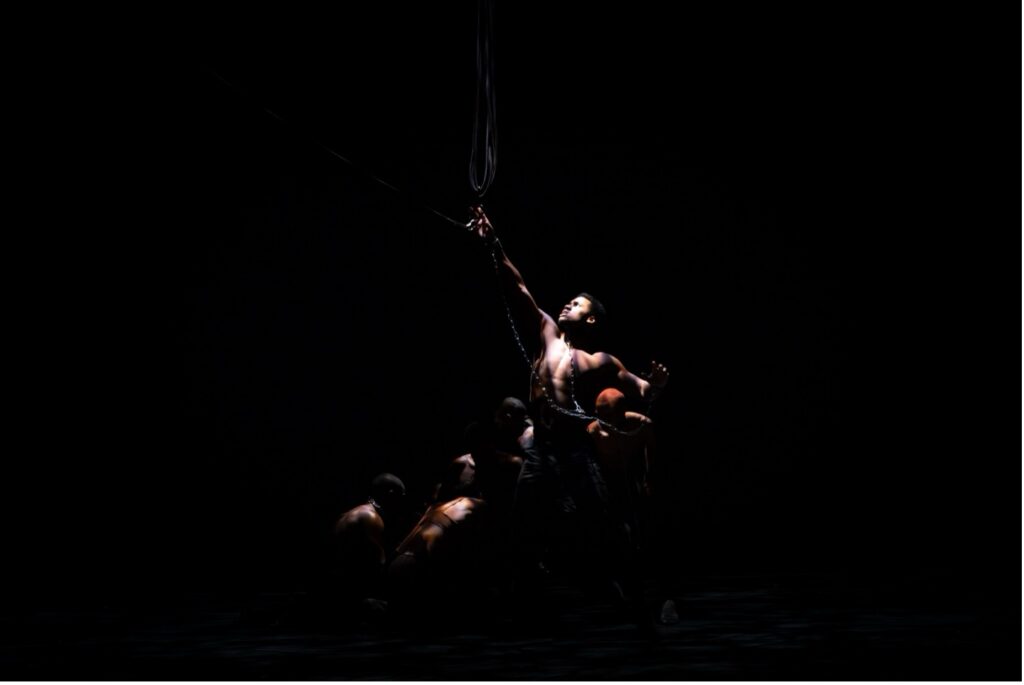
WITNESS, my latest creation, which was previewed at the Apollo Theater, moves audiences through three acts (YESTERDAY, TODAY, and TOMORROW). YESTERDAY portrays the dehumanizing brutality of American slavery, with artists shackled in chains and aerial bungee pulling them back into bondage. TODAY examines the criminal justice system’s compounding effects on Black families. And, TOMORROW, which we are still building, asks something most civic forums never attempt: it invites the artist and the audience alike to envision a future many people struggle to imagine. What does pride look like on Black bodies? What does joy look like when the chains literally break and fall? What does it feel like to begin healing from the scars your ancestors carried? These are the questions TOMORROW asks. It’s not an intellectual exercise but an act of collective imagination.
At presentations of the work, voter registration was set up inside the theater—not outside, not as a separate event, but inside, before and after the performance, as an integrated part of the experience. The choice to register sits alongside the choice that woman described, to stay present with discomfort out of respect for what people lived through.
That is not arts programming in isolation. It is artistic experience and civic engagement working together, a form of participatory infrastructure designed for a public that has not yet been given a place to practice reckoning.
Sign up for our free newsletters
Subscribe to NPQ's newsletters to have our top stories delivered directly to your inbox.
By signing up, you agree to our privacy policy and terms of use, and to receive messages from NPQ and our partners.
The performance opens something. It creates a threshold condition that a town hall, a panel, or a policy brief cannot manufacture: a room full of people who have just shared a difficult experience together, and now must decide what to do with it. The conversation that follows is qualitatively different from anything that happens before the lights go down.
Philanthropy has spent decades funding policy conversations and dramatically underfunding the cultural conditions required for the public to emotionally engage with them. The assumption, usually unstated, is that persuasion is primarily intellectual, that if people understand the argument, they will eventually accept it. Experience suggests otherwise.
What I have observed in presenting this work is that people do not resist reparations primarily because they lack information. Decades of scholarship, advocacy, and organizing have produced an extraordinary body of evidence. The challenge is not that the argument hasn’t been made. It is that information alone cannot reach someone who has not yet chosen to receive it. You cannot wake someone who is pretending to be asleep. What an encounter does, and what collective witnessing does, is create the conditions under which the choice to open one’s eyes and participate in the world becomes possible. Information and experience together are what our event is designed to provide.
Most performing arts organizations are not built to do this work. Most civic organizations lack the artistic capacity to pull it off. The institutional form that would sit at that intersection, rigorous artistic practice combined with deep civic function, largely does not exist at scale. That is the gap, and it is not a small one.
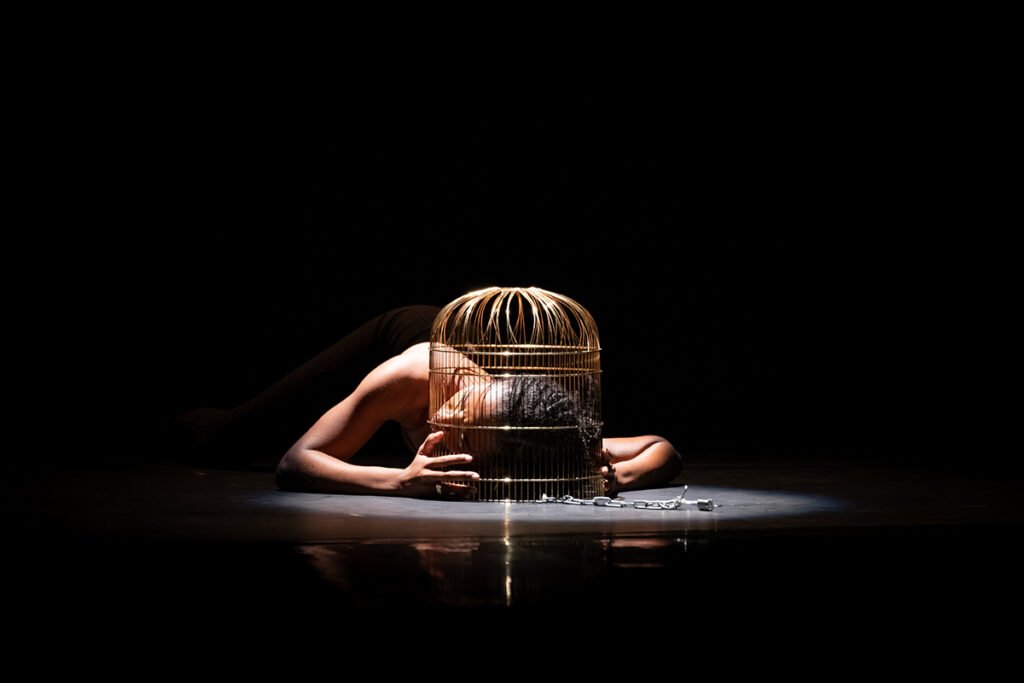
This year, as the nation commemorates the 250th anniversary of US independence, we are expanding the WITNESS framework into a civic convening in Harlem, pairing performance with structured public dialogue.
But the larger question is not whether this project succeeds. It is whether we are building enough spaces like it.
If we want a public capable of engaging honestly with repair, we need spaces where people can practice collective witnessing before legislation arrives and not scramble to build them after. We need institutions that treat the emotional conditions of democratic life as seriously as its procedural ones. We need cultural infrastructure that does not wait to be invited into civic conversations but understands itself as a necessary precondition for them.
The woman at the Apollo understood something that most of our civic institutions have not yet grasped: that choosing to stay present with difficult history is itself a form of participation, a form of repair.
We should be building the spaces that make that choice possible at scale. We are not yet doing that. And this absence is costing us more than we have been willing to measure.