This story was copublished with The 19th, an independent, nonprofit newsroom reporting on gender, politics, policy, and power, as well as #WeTheCivic: America 250, a narrative movement centering the multiracial nonprofit and civil society workers, organizations, and communities in America 250 narratives.
This story was originally reported by Errin Haines of The 19th. Meet Errin and read more of their reporting on gender, politics and policy.
In the lead-up to our country’s 250th anniversary, Errin Haines is writing a series of columns to contemplate the complicated expansion of our democracy. Subscribe to The Amendment newsletter.
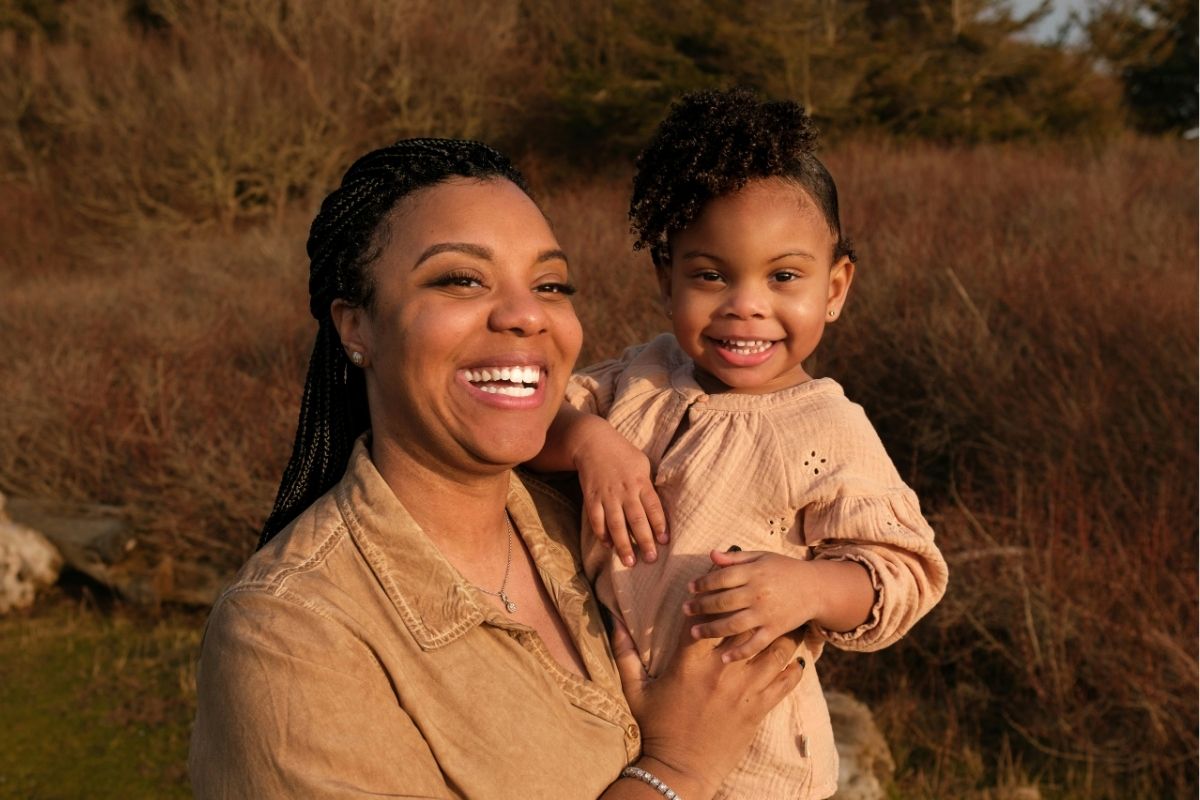
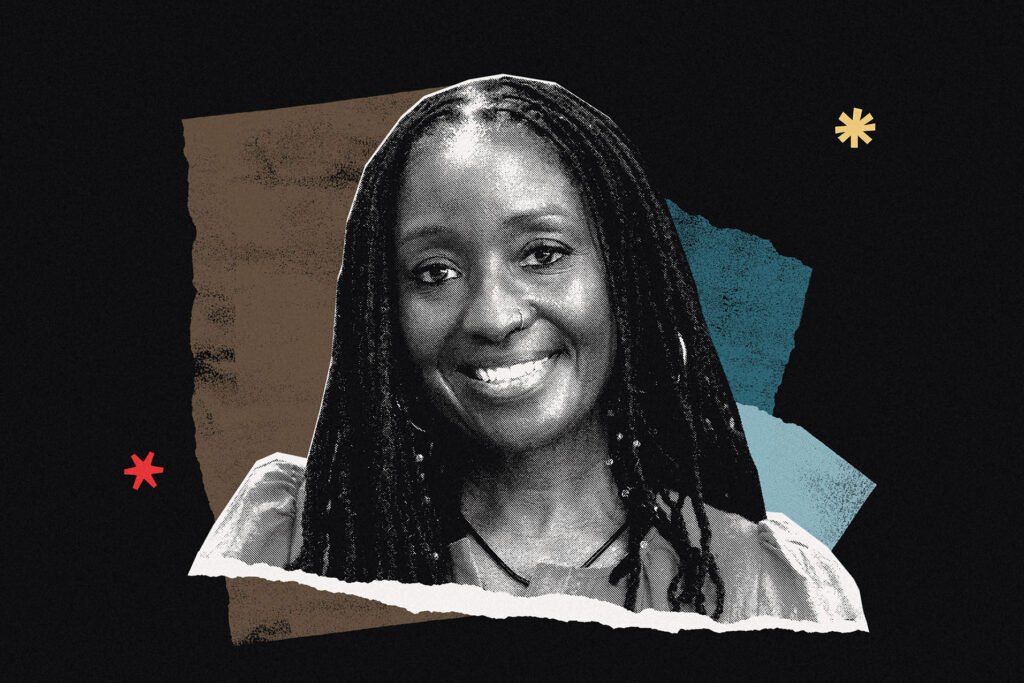
Cassie Owens Moore’s students used to say that her classroom felt like a library; she never hesitated to lend one of the books from her personal collection, like when Black boys borrowed a copy of Kwame Alexander’s “Crossover” and found their love of reading sparked by a familiar story for the first time.
A seed was planted and after 18 years of teaching, Owens Moore became a librarian. Serendipitously, soon after she completed her program, the librarian at the school where she taught retired.
“I remember growing up, I didn’t see a lot of books with me.”
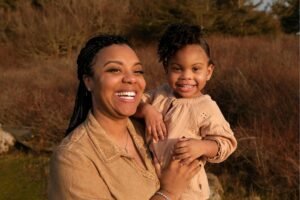
Owens Moore, a dark-skinned Black woman who wears her hair in long locs draped over her shoulders, had a way with the children of Seneca, South Carolina, a small town of less than 10,000 that is about 70 percent White. She was interested in the job, but the principal said, “I don’t know if this area is ready for a librarian who looks like you.”
Owens Moore applied anyway. She was hired—and more determined than ever to make her library a space where every student saw themselves on the shelves.
“I remember growing up, I didn’t see a lot of books with me,” Owens Moore said. The ones she did find included stories of people who were enslaved, in a gang or focused on the adversities of living in a single-parent home.
“I would read that and I was like, ‘This isn’t my story,’ and it really wasn’t a lot of people’s story. It was always something traumatic. That was very disheartening to me.”
Of all the words used to describe Black women, one of the most common is “resilient.”
The idea that Black women can pivot and recover from—even triumph over—nearly any circumstance has been framed as a kind of superpower. “Black girl magic” has evolved from a hashtag into an identity. But it can also function as a kind of armor, flattening the reality of the work Black women do—not just to endure their circumstances, but to change them.
Black women’s resilience shapes their families, their communities, their workplaces and the institutions they move through. It also shaped American democracy long before Black women were fully recognized as citizens within it.
Resilience is not just reactive. It is revolutionary, a force that has helped mold who and what this country is and who gets to be part of it. It has functioned as a tool of collective survival and political progress, often in ways that go unnamed and unrecognized.
“Who understands freedom better than those who were denied it and had to strive for it?”
And more often than not, it shows up not in extraordinary moments, but in the everyday work of ordinary people.
What is often described as resilience is, in practice, something more powerful, a cultivated tradition. Resilience is not an innate trait but something nurtured over generations, tied to a sense of responsibility and obligation to those who came before and those who will come after, said University of Memphis philosophy professor Lindsey Stewart.
“Even in our resilience, it might not be that we’re trying to do anything,” Stewart said.
“The very fact that we are surviving—and, to some degree, thriving—in a culture that is so hostile to us … the side effect of that has been shifting that culture and giving it the ideals that we’re so proud of today,” she continued. “Who understands freedom better than those who were denied it and had to strive for it?”
Resilience, as it is often applied to Black women, has a somewhat narrow definition, one that focuses on their ability to endure, to cope, to withstand what exists.
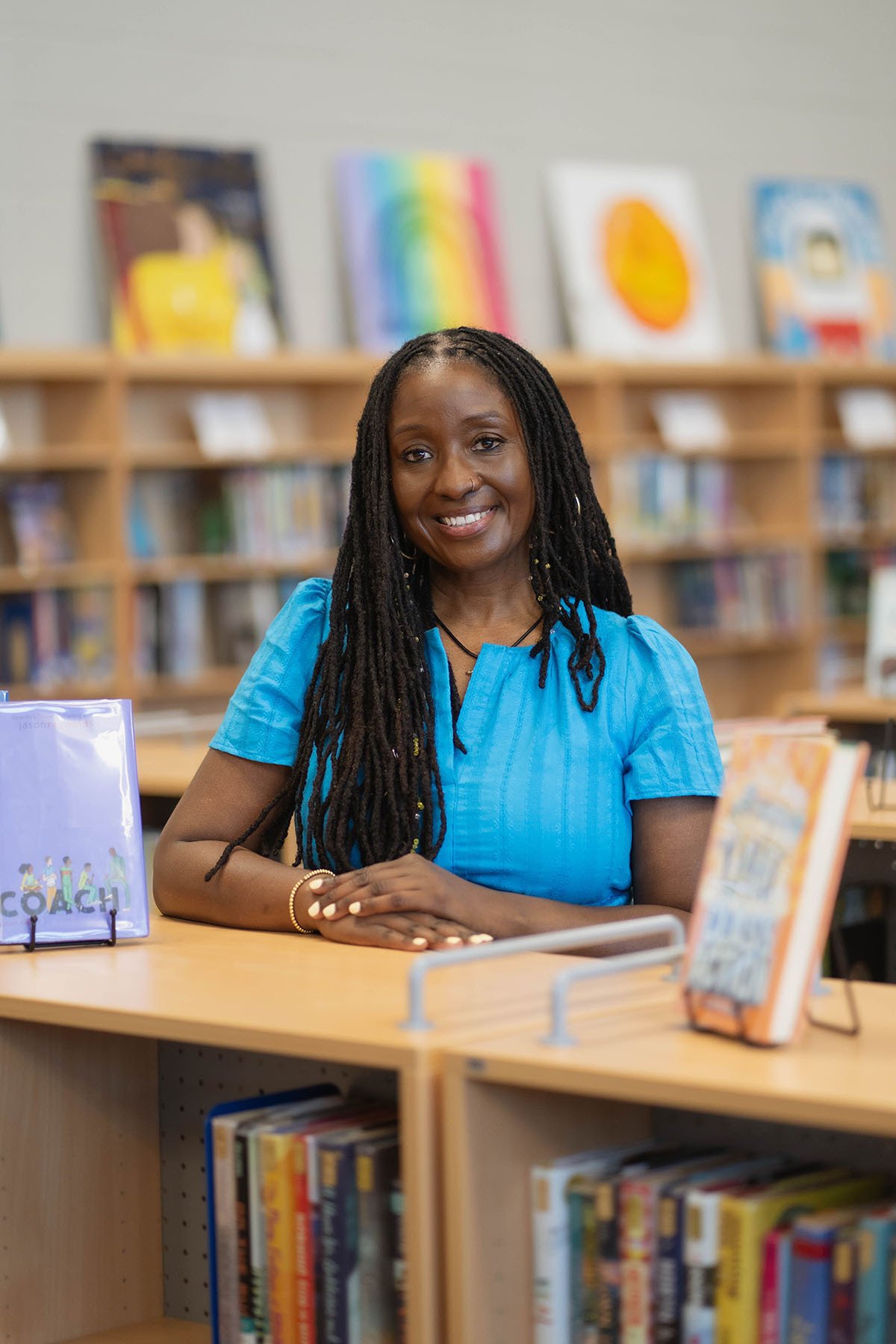
An early moment of resilience through reading came when Owens Moore read Maya Angelou’s “I Know Why the Caged Bird Sings” for the first time when she was 14.
Sign up for our free newsletters
Subscribe to NPQ's newsletters to have our top stories delivered directly to your inbox.
By signing up, you agree to our privacy policy and terms of use, and to receive messages from NPQ and our partners.
“I fell headfirst into that book,” she recalled. “I thought, ‘Oh, my goodness!’ Yes, there was trauma. Yes, there was pain, but…I can see her. I was so excited about that.”
Black women like Owens Moore are proof that resilience is something more, something deeper. It is a form of imagination, a tool that allows us to see beyond the limitations set on us by others to create what did not exist before. It is a way of building, expanding and sustaining the conditions of belonging.
Owens Moore sees herself as a representational librarian whose job is to help every student see themselves as readers—and see themselves in the story. If they ask for a book, she finds it. The act of helping them find just the right book is also her response to those who question her commitment to inclusivity.
In 2023, a transgender student did.
“He called me out and said, ‘Miss Moore, I don’t see any books about trans kids. Do you have any?’” Owens Moore recalled. “And I said, ‘Oh my, I am so sorry. You are absolutely right. I do not have any. But I will fix that.’”
She sprang into action, researching, reading and then buying four books. Owens Moore gave one to the student; when he returned the book, he also gave her a hug.
“I think what he wanted to know was, was I really going to see him?” she said.
That kind of work can be tough to do in a place like South Carolina, which leads the nation in state-mandated school book bans. And even more challenging at a time when books have become a weapon in the culture wars dividing our country. But Owens Moore has stood her ground, even if it has meant sometimes being at odds with school leadership.
She recalled being in meetings where school administrators suggested certain books shouldn’t be available at school—that if students wanted to read them, they could just go to a public library.
“Once you know how hollow that makes you feel, you never want to make anyone feel like that.”
Owens Moore always spoke up, always reminded them that not every child has a public library to go to.
“That’s why I’m in the [school] building, because I need to be able to provide books for everybody in my school,” she said. Afterward, she said, “I had all these people stop by and say, ‘Oh, I love what you said.’ And I was like, ‘Why didn’t you say something too?’”
Owens Moore’s calculation is simple: She knows what it feels like to be invisible and she wants to break the cycle.
“Once you know how hollow that makes you feel,” she said, “you never want to make anyone feel like that.”
Owens Moore’s efforts have also been honored. In 2024, the Republican-controlled South Carolina General Assembly recognized her for the “inclusive and engaging programs” she has created for all students at Seneca Middle School, including “Book Joy,” where students recommend their favorite books to classmates. That same year, the South Carolina Association of School Librarians selected the Seneca Middle School Library as the state’s outstanding library of the year. This spring, the association named Owens More the South Carolina Librarian of the Year.
Books didn’t just help Owens Moore see herself; they helped give her a type of resilience that she now works to ensure her students have. It’s a resilience rooted in the belief that each person matters and has the power to demand and make change.
She uses her self-determination to empower others, as many Black women have done over generations. Their ordinary acts of revolution — of rejecting injustice and invisibility, insisting on access and building what did not exist—expand our democracy.
And like the founders 250 years ago, Black women have used their resilience to create change not all of them live to see.
Owens Moore is doing that today as a librarian for the children of Seneca, South Carolina. She is not trying to be revolutionary; she is trying to make sure her students can see themselves.
In this country, for Black women, those two things have often been the same.