
ENERGY IS AN ESSENTIAL RIGHT
Our so-called founding principles in the United States are for life, liberty, and the pursuit of happiness. However, these principles, as articulated by slave-owning President Thomas Jefferson, were only intended for white, wealthy men. Today, we see that same disparity at work in the energy sector, with historically marginalized communities continuing to bear the impacts of toxic fossil fuel projects and energy burdens.
Investor-owned utility companies hold the monopoly on how we access energy. Although decisions around rate hikes and new fossil fuel infrastructure directly impact public health, decisions about how to handle these projects are often made in meetings that aren’t advertised to and/or accessible for everyday people. What does freedom mean in a country where your lights can be switched off because you are beholden to a utility company that overcharges your access to energy and blocks pathways to affordable and clean solutions? What does freedom mean in a country where ratepayers are not invited to the table to give feedback on what energy justice looks like for them?
Recently while in Memphis working on a campaign calling for a moratorium on new data centers ahead of the Juneteenth weekend, I had the honor of speaking with five Memphis-based ratepayers across different class lines and backgrounds about their issues with energy affordability. Facilitated by 350, this deep listening tour was an opportunity to hear from everyday people about challenges they have faced with their rising energy bills and concerns about the data center boom in their communities.
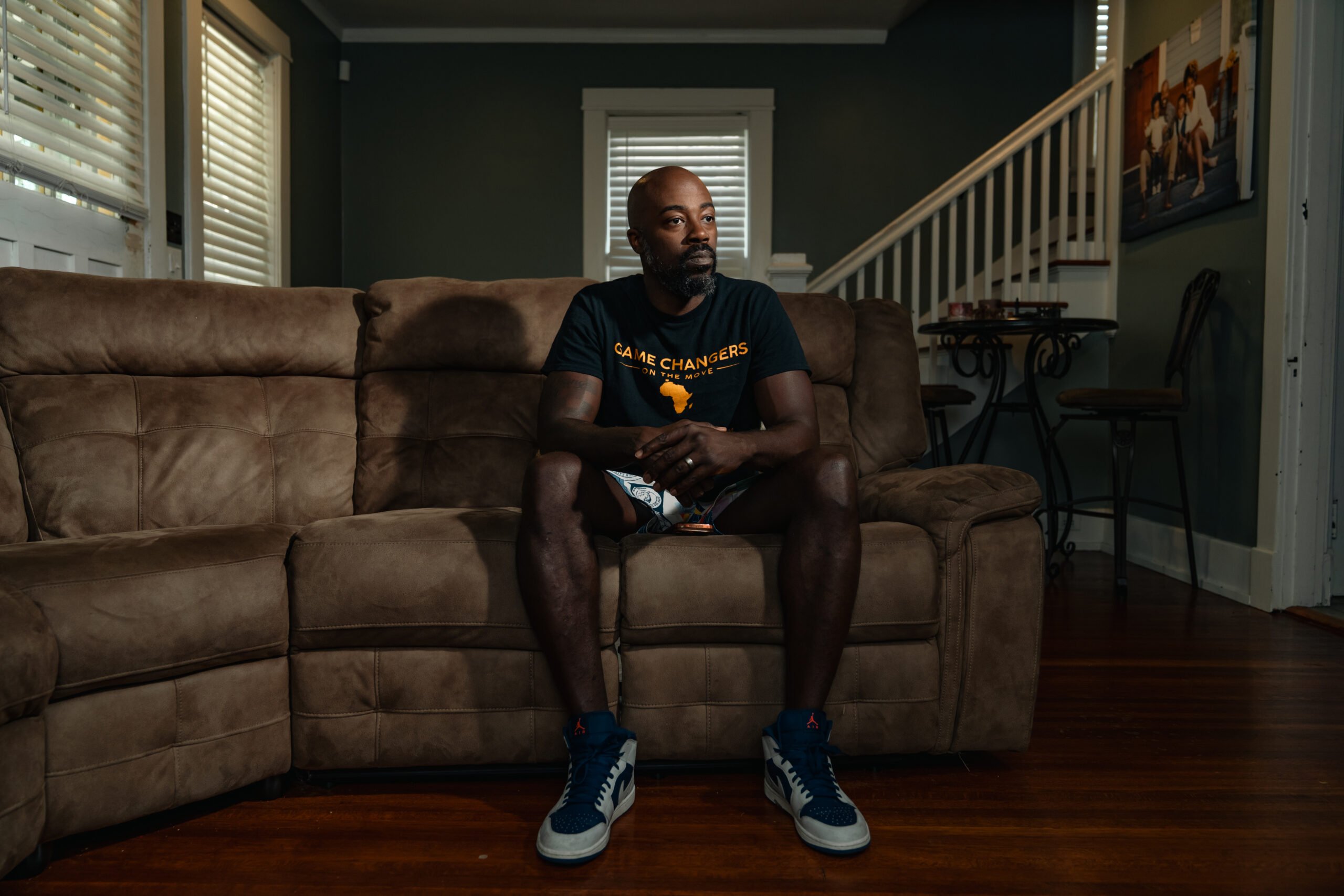
VINCENT SPRIGGS, EDUCATOR
I met with a broad spectrum of folks, including a middle-class father who works as an educator, a faith leader, and a woman just starting a new job who is now facing a shutoff for a $170 light bill. Whether people were struggling with an impending shutoff or needing to set up a payment plan, no one was able to afford the increased rates on their energy bills in one go.
Rate hikes are not new to U.S. ratepayers. The practice has been in place since the early 20th century when monopolies were implemented to build out new utility infrastructure. The practice is a critical issue in particular for those who experience energy burdens. “Energy burden” is defined as the percentage of your household income that is spent on energy each year. A high energy burden is determined as 6% a year. However, in Memphis, a study by the American Council for an Energy-Efficient Economy determined that Memphis ratepayers face the highest energy burden in the U.S., averaging 13.2%. Concurrently Memphis’s private utility company, Memphis Light, Gas and Power, reported 177,887 disconnections for 75,801 households throughout Memphis and Shelby County in 2023.
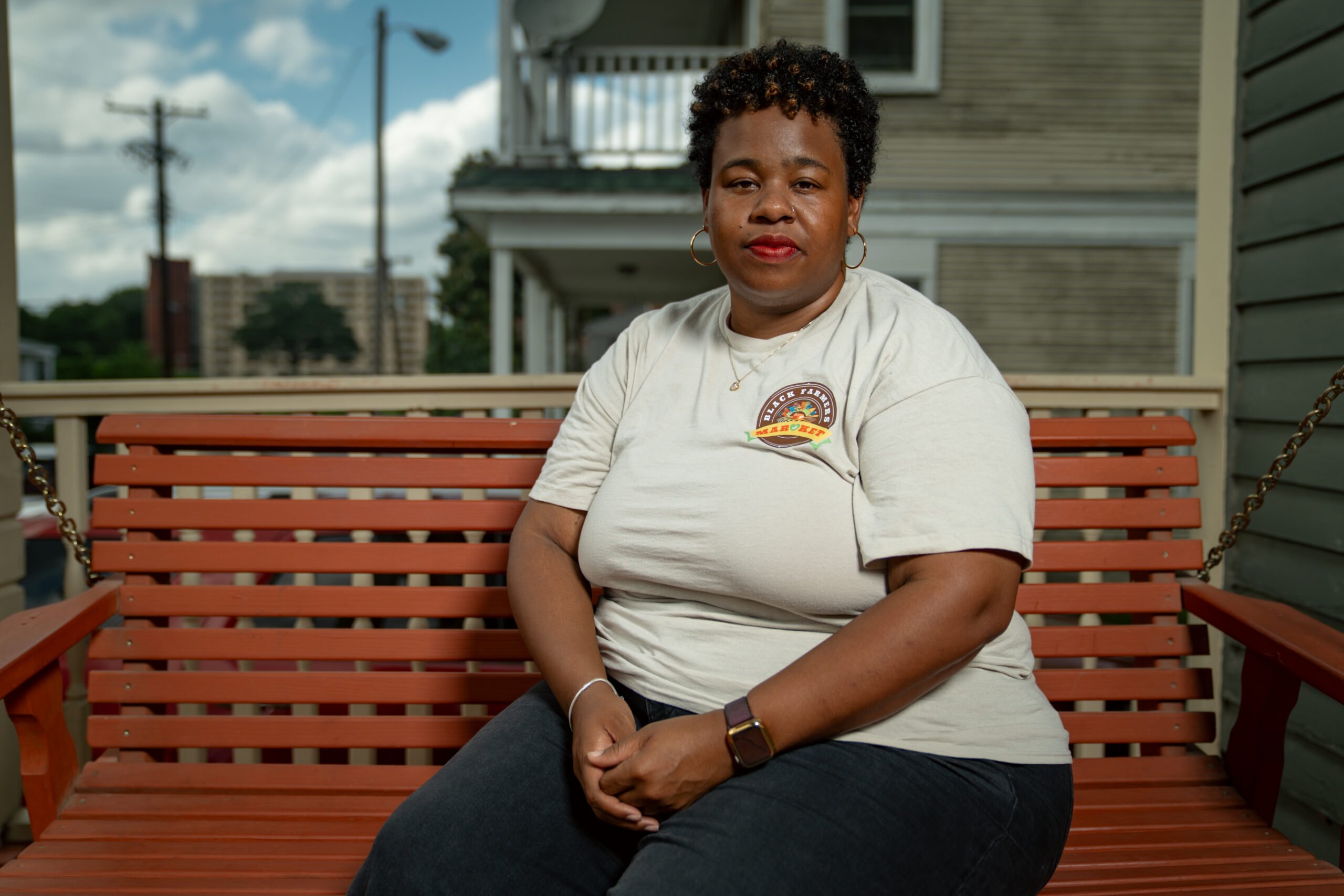
BRITNEY SESSOMS, FOUNDER/EXECUTIVE DIRECTOR OF CHARLOTTE & PICKENS
93% of U.S. adults are ratepayers which is more than 73.6% of adults who have registered to vote. Despite that, we do not have a say in where our rates go or how energy is implemented. We are not publicly invited to hearings with “public” utility commissions where these decisions are made—many of which are hosted during the weekday when everyday working class people are not able to attend. For an issue that affects so many of us and our families, why are we not democratized to be part of the decision-making process?
For communities that have systemically been more financially vulnerable—such as South Memphis, which is 92% Black with a significant lower-income population— the energy burden can be upwards of 25%. According to a study by the Southern Environmental Law Center, 87% of lower-income homes experience high energy burden.
WHAT HAPPENS WHEN FREEDOM IS METERED
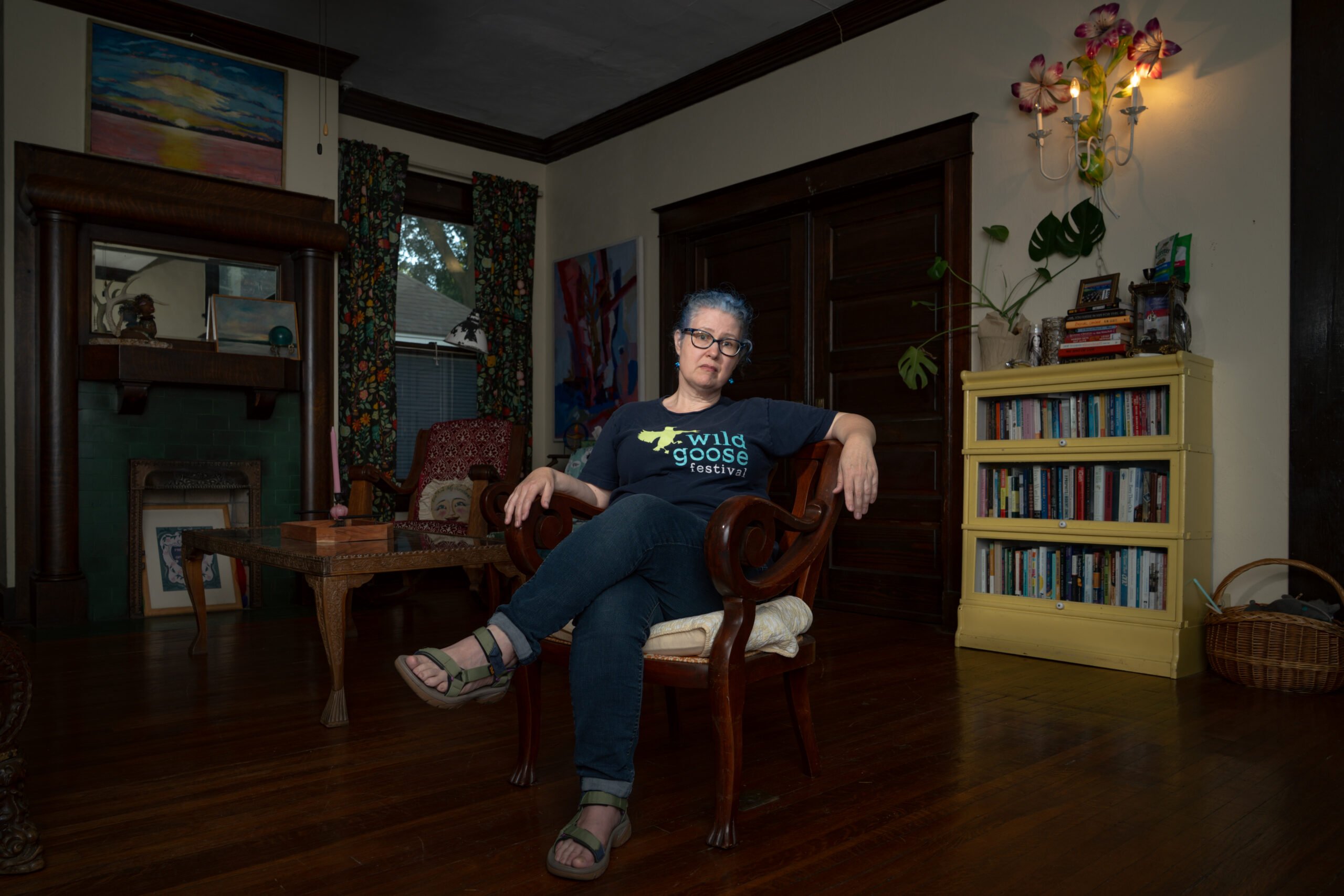
REVEREND EDITH LOVE, FAITH LEADER
For this photo essay, we sat down for interviews in ratepayers’ homes to discuss how their rates have increased, how the data center boom has exacerbated their issues, and what potential solutions might look like. All five people I interviewed experienced rate increases with no reasonable explanation. Some witnessed their bills increasing from $300 to upwards of $1,000 in just a few months. Some had to go on payment plans. Some—faced with an impending shutoff—were trying to find peace without power during an impending heat wave.
Sign up for our free newsletters
Subscribe to NPQ's newsletters to have our top stories delivered directly to your inbox.
By signing up, you agree to our privacy policy and terms of use, and to receive messages from NPQ and our partners.
When freedom is metered, we lose opportunities to collectively explore new possibilities because we are too busy struggling to survive. As Katriona O’Sullivan wrote in Poor, “The truth is, we are losing some brilliant minds in the trenches of poverty.” How can you envision a clean and renewable future when you are fighting to maintain a vital resource on a monthly basis?
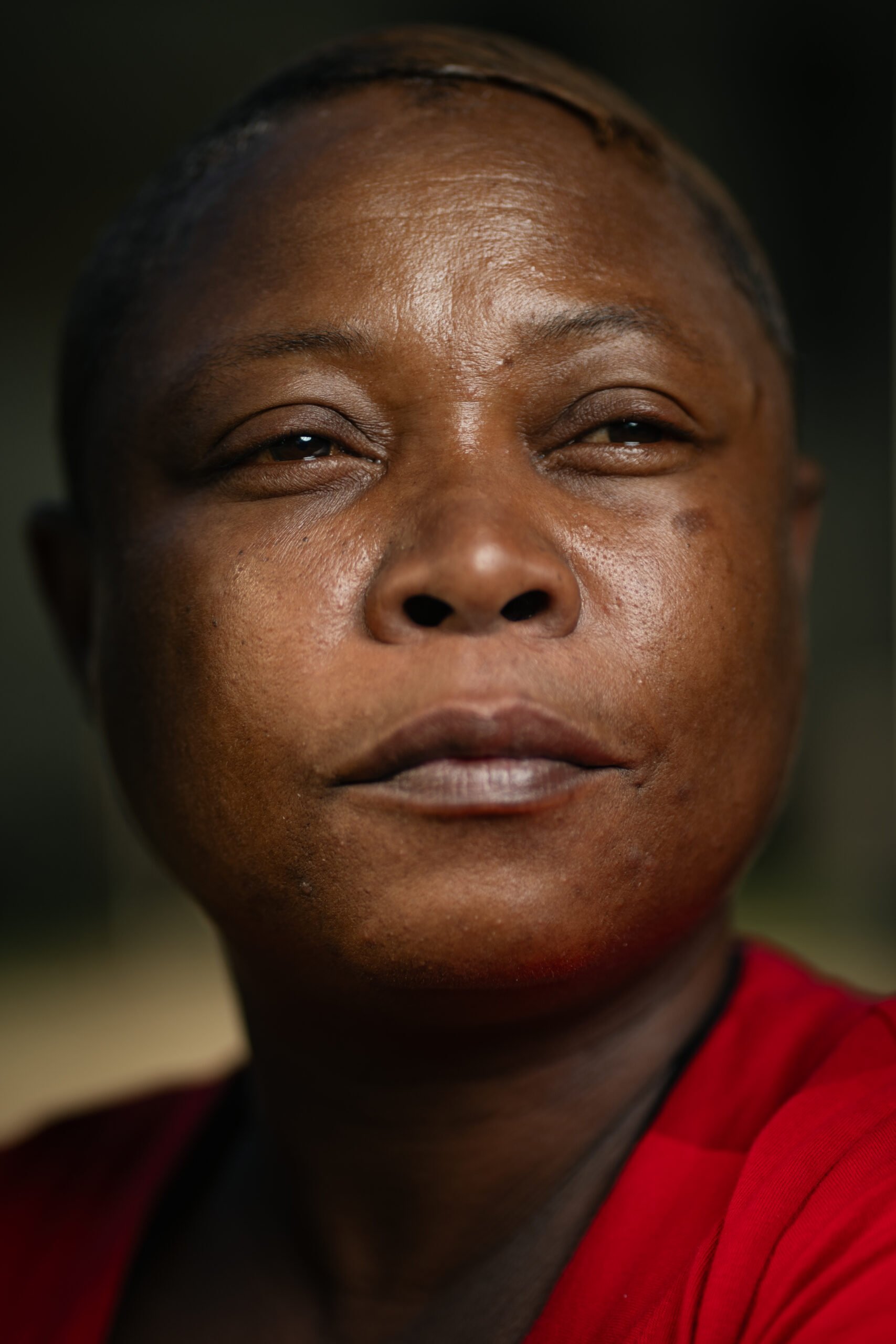
LAKESHA HUGHES
Although the unnecessary and costly wars initiated by the Trump administration are affecting household affordability across the globe, the energy crisis in Memphis is also a consequence of institutional injustice. And the culprits are the same players who have contributed to their energy affordability crisis for years, including the Tennessee Valley Authority, the supplier for Memphis Gas, Light and Power, which has routinely increased energy utility rates over the years.
The Tennessee Valley Authority also just greenlit the proposal to bring back coal after pressure from the Trump Administration. The argument with TVA bringing back coal is that the initiative will bring down rates but studies show “revitalizing” a decades-old coal infrastructure will cost ratepayers hundreds of millions collectively each year.
Bringing back coal isn’t only an ecological crisis; it exacerbates public health costs, too. Nationwide, Memphis ranks #3 in asthma-related ER visits, with approximately 79-90% of them being Black. Large quantities of airborne pollutants that come from the production of coal such as mercury, lead, and heavy metals can directly contribute to not only asthma but also cancer, neurological issues, and premature death. And in 2008, the Kingston industrial coal slurry ash spill buried over 300 acres in 1.1 billion gallons of toxic coal ash. Over 60 clean up workers from the spill ultimately died from health-related impacts due to the exposure; the resulting water pollution and destruction of commercial and residential properties continues to impact residents to this day.
Profit over people has been an ongoing struggle in the U.S. From war to healthcare to the fossil-fueled climate crisis, we have been acutely aware of how disposable our lives are perceived by wealthy CEOs and companies who have a singular focus on profit margins. A swift and just transition towards renewable energy makes sense to those who are not focused on profitable ventures, but rather what the world would look like if energy was simply treated as a human right.
THE POWER OF COMMUNITY-SHAPED SOLUTIONS
When we talk about issues of energy affordability, it’s not just your utility bill. It’s also about the boom in data centers, and their impact on the health and wellbeing of both our planet and people. Elon Musk’s infamous xAI data center in the heart of South Memphis was able to bypass grid limitations and install massive methane gas turbines in a majority Black neighborhood in Memphis. When I visited the site myself as part of a toxic tour led by Protect Our Aquifer with Tennessee State Rep. Justin Pearson, I experienced a dry throat and cough within minutes of being near the facility. The impact of these turbines will result in even more respiratory illnesses, cancers, pregnancy-related issues, and premature deaths. In an area that is already struggling to make ends meet, it’s an abomination that residents should foot the bill for a trillionaire’s private project that is directly polluting their communities.
![“I think that those [data center] warehouses should be gardens—large multi-level bust open a roof. Maybe multi-level gardens so we can have clean food again. It's already in a food desert. And yeah, I don't think it's going to get better. I don't think 10 more data centers is going to make it any better. I think it's going to be much worse. And so we'll be trying to replace our food. The trucking system goes down. We're all starving in a week. So I think that there'll be a transition to more holistic or more local means to feed ourselves and shelter ourselves but really back to the basics after they leave to Mars.”SCOTT FIFER, FREELANCE ARTIST](https://nonprofitquarterly.org/wp-content/uploads/2026/08/062026-KW-350Portraits-21-scaled.jpeg)
SCOTT FIFER, FREELANCE ARTIST
Clean and affordable energy should be a human right. We should be empowered with the education, tools and direct connections to decision-makers to enact change. These portraits of the ratepayers we interviewed have a certain familiarity. They could be a friend, neighbor, or colleague from a range of class levels who are still facing the same question each month: how do I afford to keep the lights on?
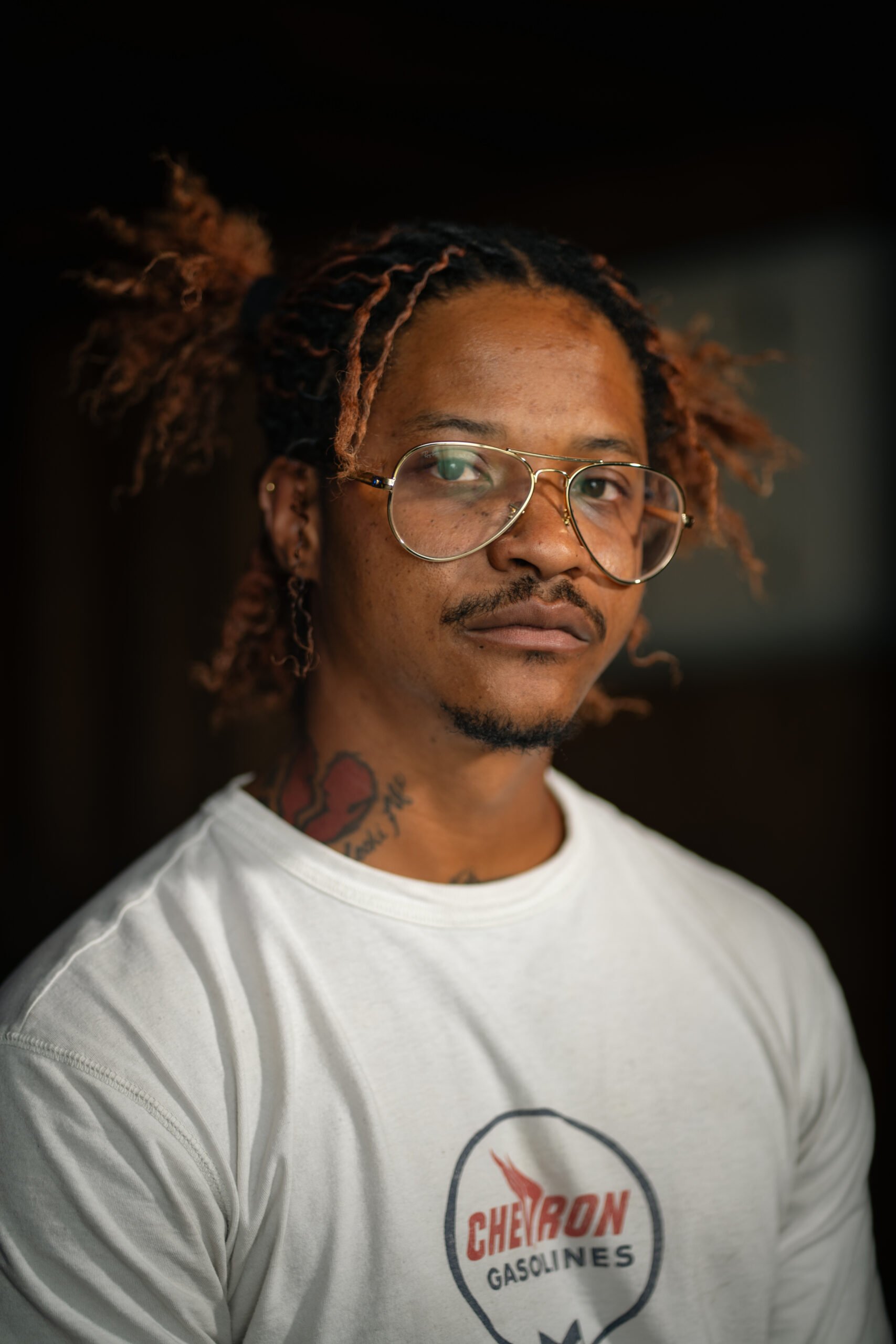
SCOTT FIFER, FREELANCE ARTIST
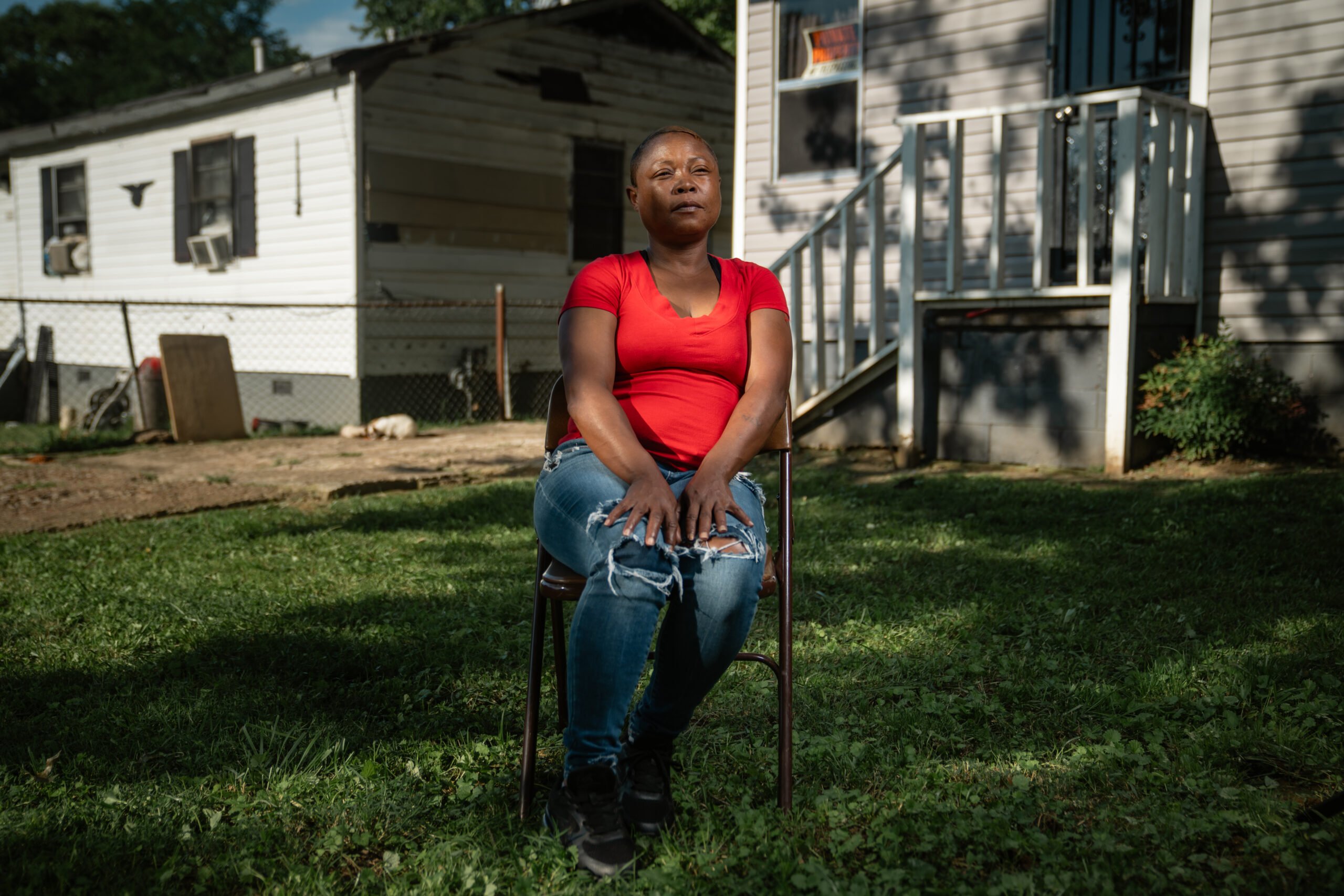
LAKESHA HUGHES
![“There's only one person I met who's been approached about using solar, so it also feels like an [issue of] access/education, absolutely.”BRITNEY SESSOMS, FOUNDER/EXECUTIVE DIRECTOR OF CHARLOTTE & PICKENS](https://nonprofitquarterly.org/wp-content/uploads/2026/08/062026-KW-350Portraits-35-scaled.jpeg)
BRITNEY SESSOMS, FOUNDER/EXECUTIVE DIRECTOR OF CHARLOTTE & PICKENS
![“Well, it happened [a shutoff] just a couple of months ago because I didn't pay it. I thought I had time to get the money together. And then I looked at the bill and I was like, oh, I've got a couple of days. And then I forgot about it again. And then I was lying in my bed and the fan stopped moving and I heard a click and I'm like, oh no, is it one of those power outages? Because it was a sunny day. In Midtown, we sometimes have sudden power outages that are unexplained. But no, I went and pulled the bill off my desk and I'm like, oh no. So I scrambled and scraped the money together and paid them and the lights came on by the end of the day. But the way that that affects me, other than not having a fan or any air, is a lot of the things that I do involve being online. As a minister, I counsel people online. I need to be able to get to meetings. There's real urgency in having the internet for me professionally. And so I can't live without that.”REVEREND EDITH LOVE, FAITH LEADER](https://nonprofitquarterly.org/wp-content/uploads/2026/08/062026-KW-350Portraits-48-scaled.jpeg)
REVEREND EDITH LOVE, FAITH LEADER