People who are very poor and chronically ill find themselves in a perfect storm of COVID-19 vulnerability, as do the nonprofits that work with them.
Nonprofits Who Can’t Cancel: The Ones that Serve Those at Greater Risk of COVID-19



People who are very poor and chronically ill find themselves in a perfect storm of COVID-19 vulnerability, as do the nonprofits that work with them.
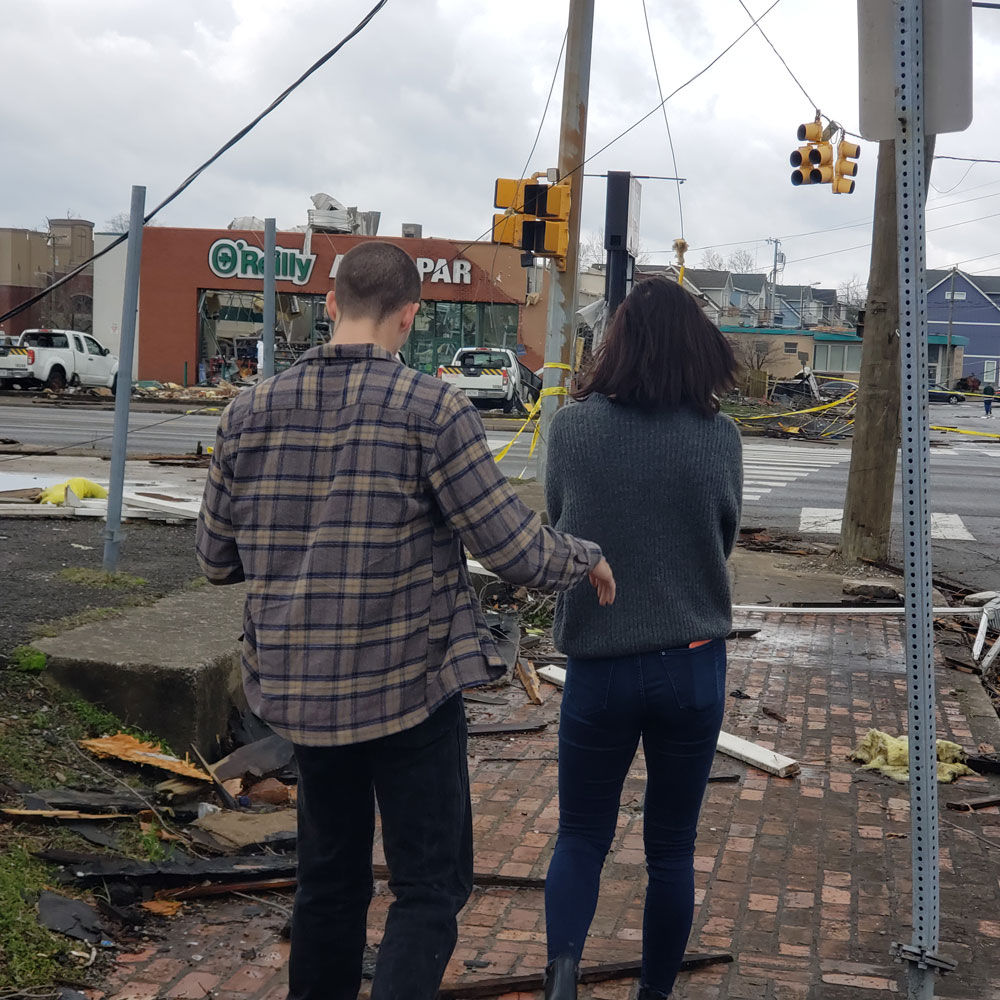
When a tornado’s destructive force ripped through sections of Nashville last week, it energized the community’s best instincts and some of its worst.
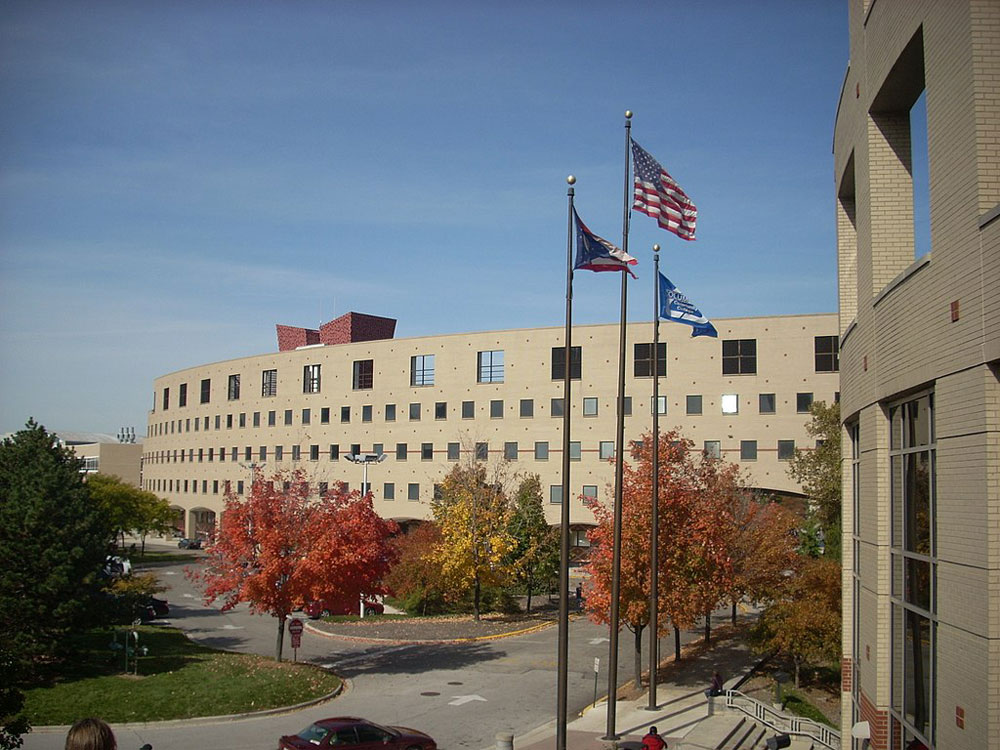
The contribution from Columbus State Foundation to a bond advocacy campaign is being questioned by a taxpayer advocacy group.
Mergers based on shared vision, not desperation, tend to be more successful. In this Chicago case, the intention is to expand the mission reach of both.
Editors’ note: This article, first published during print on April-1999, has been republished for Nonprofit Quarterly with minor updates. This article is our first memorial tribute. We hope we won’t have many occasions to write more of them. It is fitting, though, that our first memorial is for Hank Rosso, who was my mentor and teacher
Editors’ note: This article, first published in print during June-1996, has been republished for Nonprofit Quarterly with minor updates. One of the hundreds of things I am curious about is how people concerned about social justice, who would be on the alert for signs or racism or homophobia if they heard a sentence beginning, “Arabs are…”

The coronavirus has exposed vulnerabilities in our nation’s nonprofit service system. It is incumbent on our community to respond.
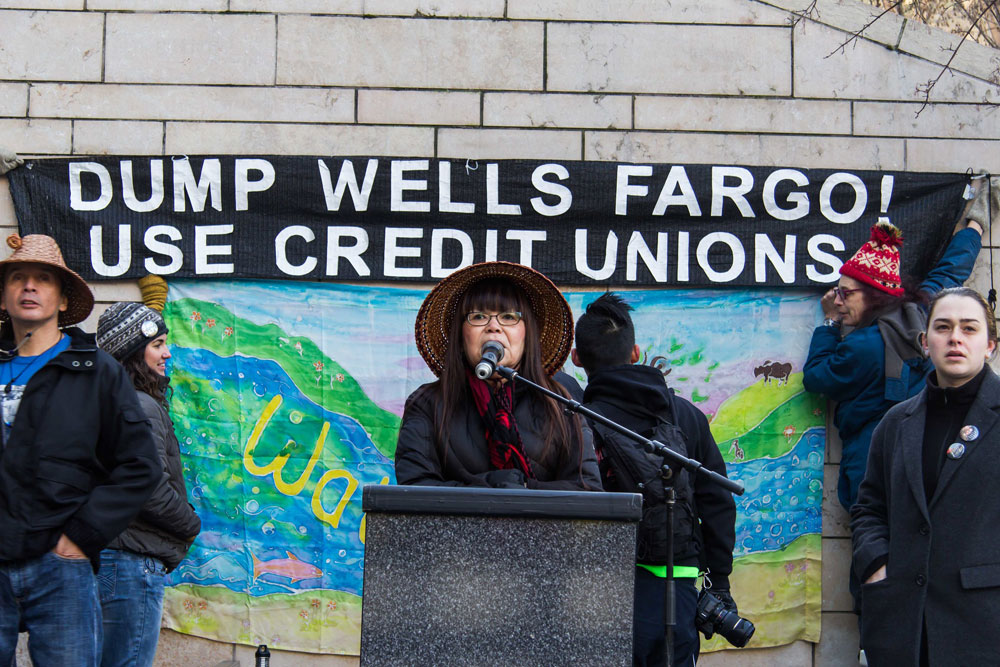
A Congressional report finds Wells Fargo still isn’t taking its corporate fraud seriously. Is the resignation of two board members anywhere near sufficient comeuppance?
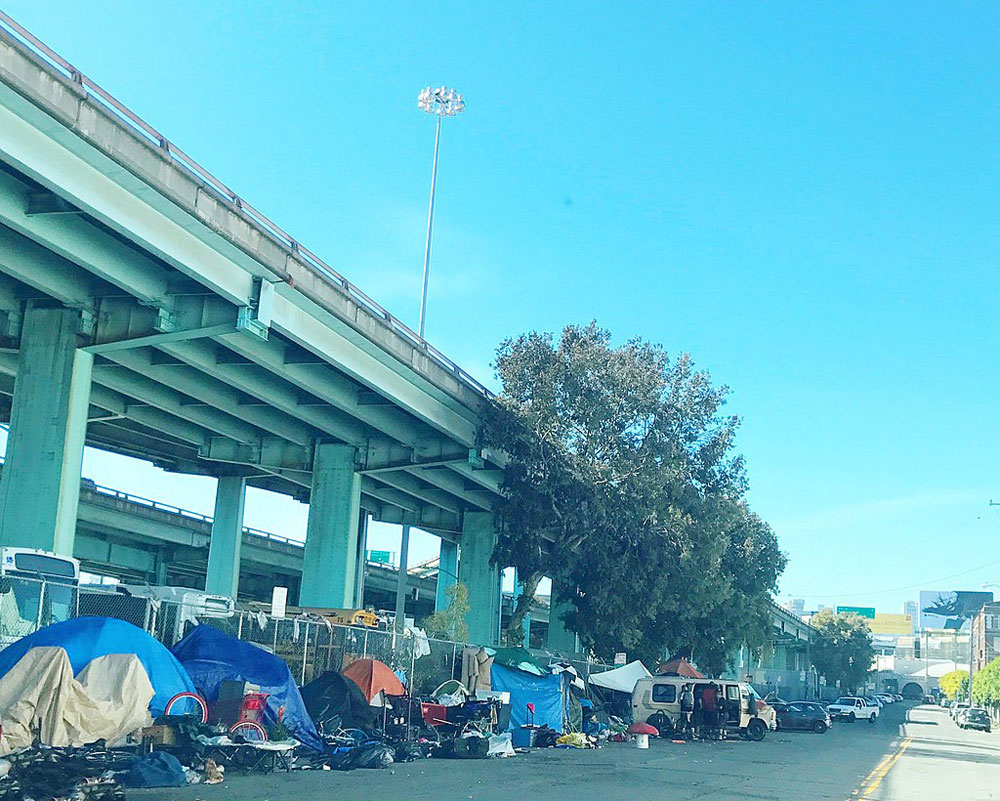
San Francisco announces a shift in its strategy to addressing homelessness to one that places service to homeless people at its center.
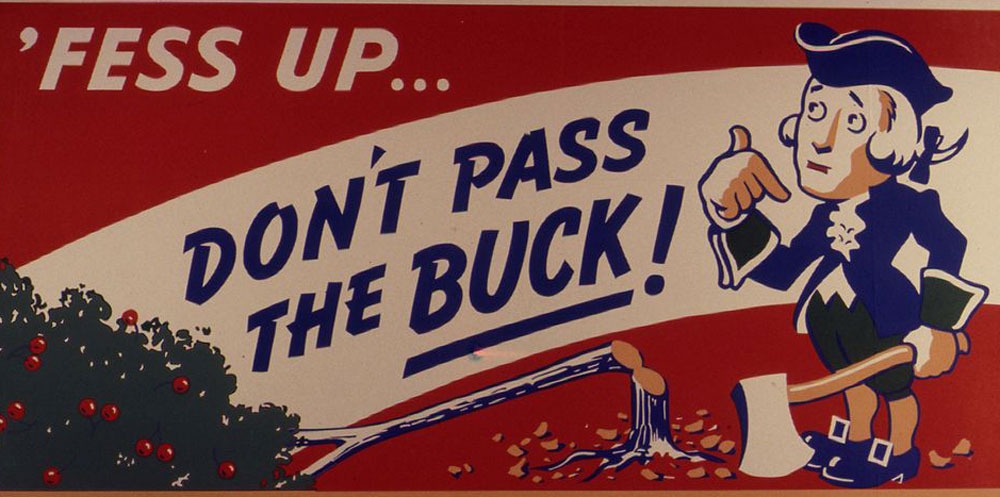
As the insurance industry seeks to remain financially solvent on a warming planet, offloading risk onto the public is part of the game.
Open access to academic work is growing in popularity amongst researchers and research institutions, but business model challenges remain.
Editors’ note: This article, first published in print during June-1995, has been republished for Nonprofit Quarterly with minor updates. All over America, grassroots organizations are planning open houses, receptions, cocktail parties, and the like. Meticulously they work through the details: cleaning their offices, deciding whether or not to have the event catered, how much to spend,