When pushing back against government austerity proposals, doing important work well is not enough. Nonprofits need to show how their work improves our quality of life.
NPQ North: Public Well-Being and Scarcity Narratives Not a Good Fit


When pushing back against government austerity proposals, doing important work well is not enough. Nonprofits need to show how their work improves our quality of life.

A report by nonprofit economic justice groups identifies a strategy to create a Reparations Trust Fund, as well as ideas on how to use that fund to radically reduce the nation’s racial wealth gap.

A gift of land specifically to promote agriculture provides a lab to improve farming.

“How,” the author rhetorically asks, “can an organization contribute to a democratic society if there is a democratic deficit in its own governance?” It’s a particularly pertinent question for nonprofits in these times.
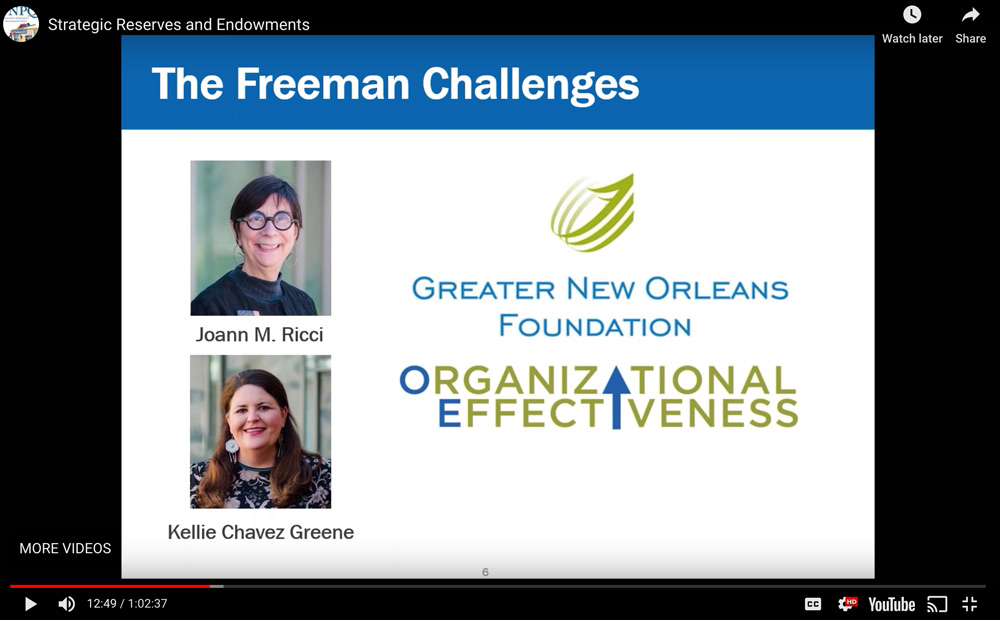
This webinar explores endowments and lays the groundwork for philanthropy to begin funding reserves. It’s useful for philanthropists, nonprofit staff and board members, and capacity builders.
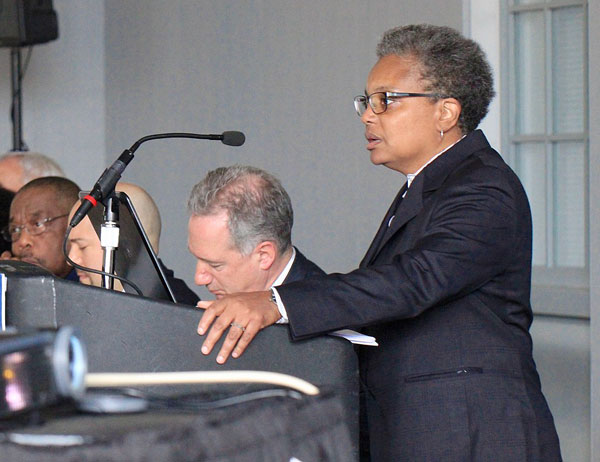
Chicago’s new mayor, the first Black woman and openly gay activist to hold the office, got down to business very quickly in her first week in office.

Local organizations like the Yellowhammer Fund in Alabama are serving as vehicles for women’s rights supporters around the country to express their frustration and support. Though small, Yellowhammer raised $100,000 in a single day after abortion restrictions were passed into law.

The College Board, the nonprofit that oversees the SAT, just announced a portentously disastrous idea: an “adversity score” to identify students who might get left behind.

Given that many nonprofits participate in and respond to procurement RFPs from local governments, understanding open contracting can benefit nonprofits looking to add value and legitimacy to their bids while at the same time embracing democratic principles that level the playing field.
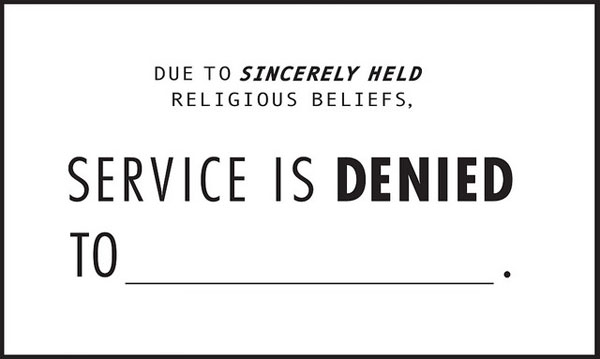
If not stopped, an alarming HHS rule that would allow virtually any healthcare worker to opt out of a procedure for reason of religious conscience and would withdraw federal funding to any healthcare institution if they were sanctioned for it will go into effect in July.
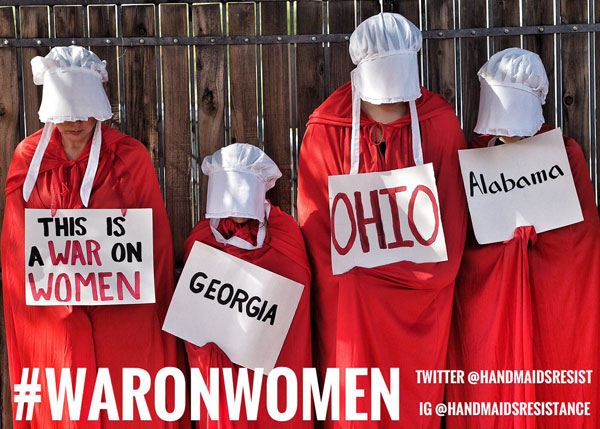
Many organizers in Alabama and Georgia say disinvesting in Southern states through boycotts right now may be too blunt an instrument and that targeted and healthy reinvestment makes more sense.

There are echoes of Soylent Green in this story—but in a good way.