We should know better by now. Diversity is important, but achieving equity and inclusion requires not just more diverse faces, but the sharing of power.
The Creepy “First Other” Narrative on Nonprofit Boards



We should know better by now. Diversity is important, but achieving equity and inclusion requires not just more diverse faces, but the sharing of power.
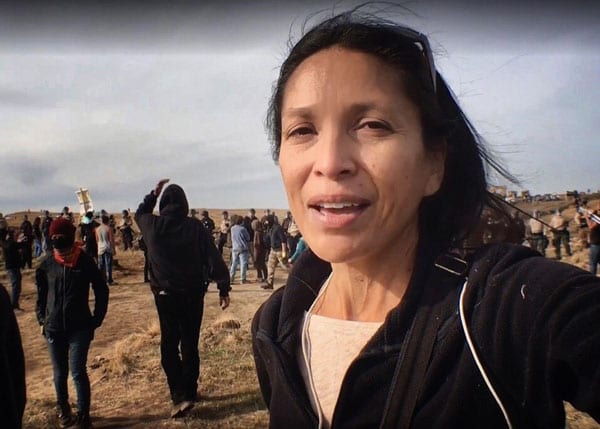
An award-winning journalist, in response to objectionable editorial decisions by mainstream publications, has created an “indigenous version” of her articles to get her voice heard.

A $500-million fundraising campaign is a tad over $499.96 million short.

Could there be a broader lesson in a current strike over authorship for actors and stage managers working in “labs” that lead to future Broadway plays?

What narratives do we use to justify our approaches to our work? When making pitches and the like, does your framing contribute to a narrative that centers an inclusive and vibrant democracy based on equity, justice, and sustainability—or not? Don’t miss NPQ’s upcoming investigation of these questions as we introduce our next article series.
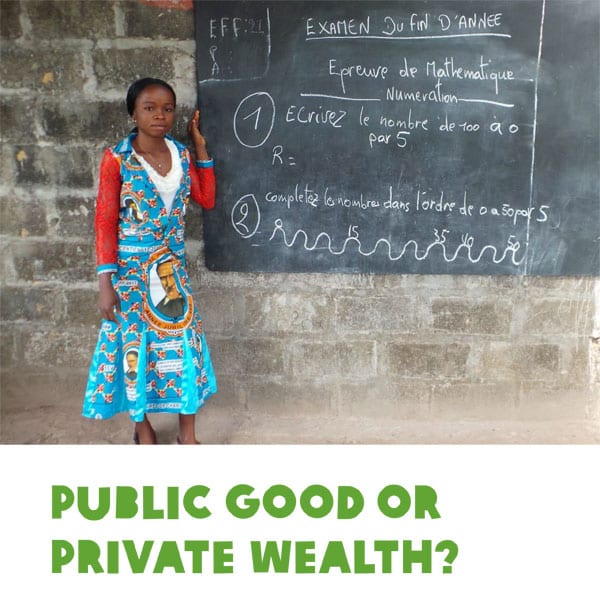
A report from Oxfam finds worldwide wealth inequality at new extreme highs, with 26 people having as much wealth as the bottom 50 percent (3.8 billion) of the world’s population.
Nonprofits should remember to keep engagement and attachment of volunteers a priority so that the commons will keep going and give vibrantly.

Among other projects, Google technologists will support Goodwill in defining a unified data strategy for its federated organization.

In East Baton Rouge, a local school board facing a shortage of funds to pay teachers opts out of a tax-abatement deal for ExxonMobil that would have cost local school coffers $2.9 million over 10 years.

Even from a distance, it’s clear this massive landscape is deteriorating. Up close, David Opdyke’s mosaic art installation is even scarier. But can this type of intervention—art as environmental activism—make a difference?

A fellow at Brookings’ Center for Universal Education suggests that institutions of higher education could be more effective at leading our shared search for answers to local and global challenges.

In terms of successfully running an organization, does luck matter? Nonprofit leaders have tended to fall into a “Yes, luck matters” or “No, luck doesn’t matter” argument based on good fortune versus skill. Here, Mark Light highlights the more-often-than-not ignored relationship between so-called “luck” and privilege.