A Baltimore university and hospital follow through on their commitment to buy and hire more from local neighborhoods. Still, plenty of challenges remain.
In Baltimore, Johns Hopkins Seeks to Be a Good Neighbor
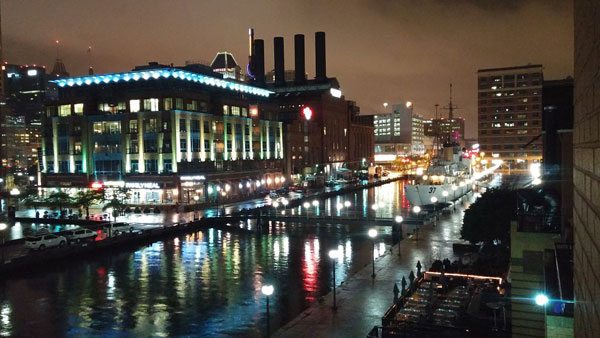


A Baltimore university and hospital follow through on their commitment to buy and hire more from local neighborhoods. Still, plenty of challenges remain.
If power lies in the metaphors one chooses, perhaps the nonprofit sector, or at least its largest members, may be concerned about the approach Slate is taking with its “Slate 90” project.

For private, religiously affiliated colleges and universities, new funding opportunities may soon become available. For public and non-religious private schools, there will be greater competition for already scarce funding.
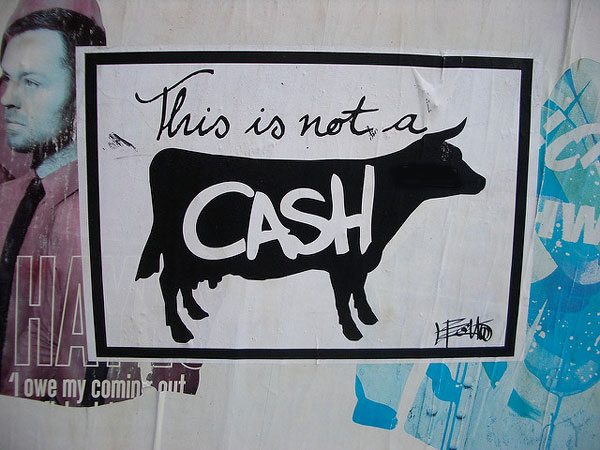
We have warned nonprofits before about the risks of developing a social enterprise to act as a cash cow. Here’s another example.

The large amount of informal housing in Puerto Rico has resulted in almost as many FEMA claims being denied as are approved.

Sometimes, the point is not to innovate but to make full use of what we have chosen to disregard.
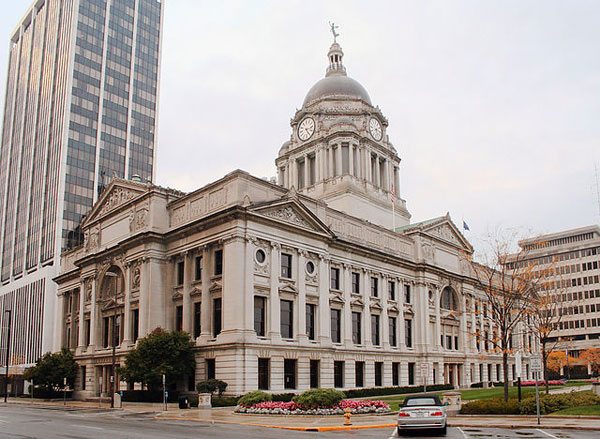
A study commissioned by an alliance of human service nonprofits gives us a map of one county’s nonprofit sector. The report also aims “to raise the awareness” of the role that human service nonprofits play.
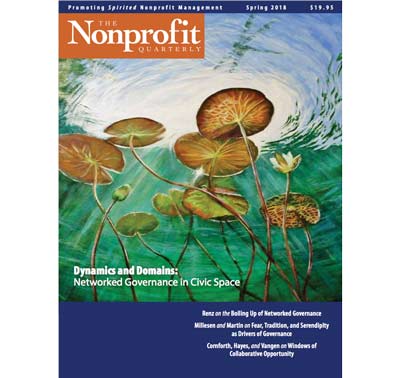
Sign in to gain access to NPQ’s Spring 2018 issue, “Dynamics and Domains: Networked Governance in Civic Space.”

This article presents a case study demonstrating a successful hybrid model of stakeholder engagement in action.
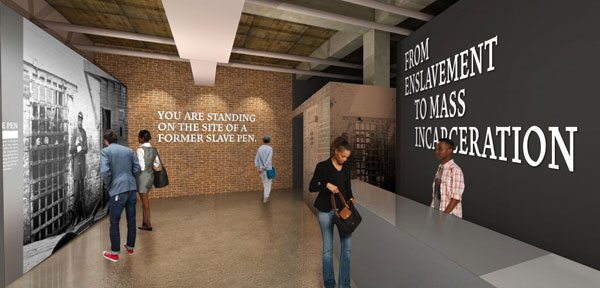
Until recently, many heritage sites and museums had a tendency to “whitewash” some of the less savory aspects of American history. But increasingly, the narratives are becoming more authentic, as new cultural experiences are developed and older ones are refreshed.
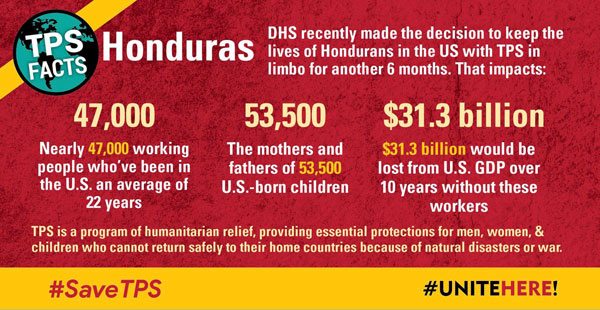
The Trump administration has elected to end Temporary Protected Status for Hondurans living in the US. This decision will eject over 57,000 people from the country and cost the economy billions of dollars. Civil rights groups of different stripes are fighting the decision and calling on the administration to change its mind.
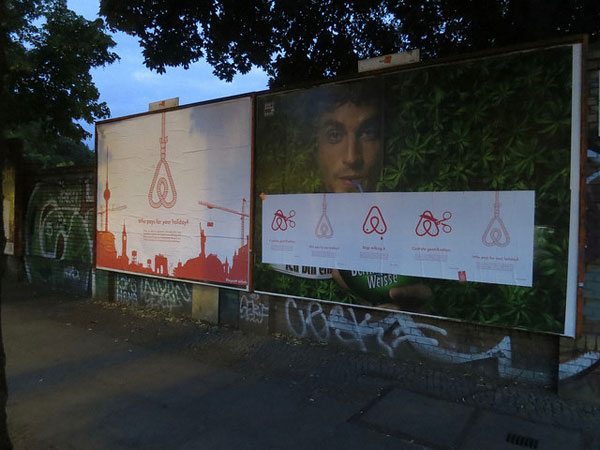
According to a study conducted by the Comptroller of New York City, tenants in the city had to pay an additional $616 million in rent in 2016 due to price pressures created by Airbnb.