An historic and beloved nonprofit finds itself facing its demise, a victim of its own success.
A Small Nonprofit’s Bumpy Road to Success and Organizational Failure




An historic and beloved nonprofit finds itself facing its demise, a victim of its own success.
Milwaukee Public Schools exemplifies the school-to-prison pipeline. A new report documents the problem and offers a youth power agenda.

Sometimes, when addressing affordable housing, it is helpful to recall the past. In Chicago, an old and sometimes forgotten model—the limited equity housing co-op—is making a comeback.
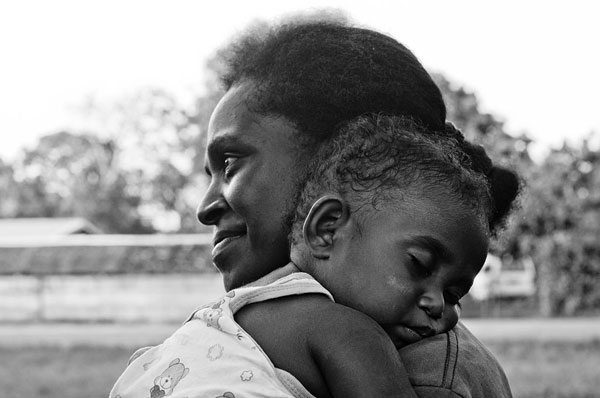
There is no inherent biological risk factor for maternal death associated with being Black. Racism is the culprit.

Campus Compact, a coalition of over 1,000 universities dedicated to community engagement, held its biennial conference last month. While university partnerships with nonprofits have never been stronger, shifting universities to be community-serving institutions remains challenging.

As 2017 closed, predictions about the effect the new tax laws would have on fundraising were dire. But that’s not what many fundraisers foresee. A new report reflects the state of charitable giving as experienced by those fundraisers and a recent finding that took us completely by surprise.
In Scotland, 5,600 social enterprises already employ over 81,000 people and generate over £3.8 billion in annual revenues. But for at least one Scottish social enterprise leader, this is just the beginning of a broader process of economic and social transformation.
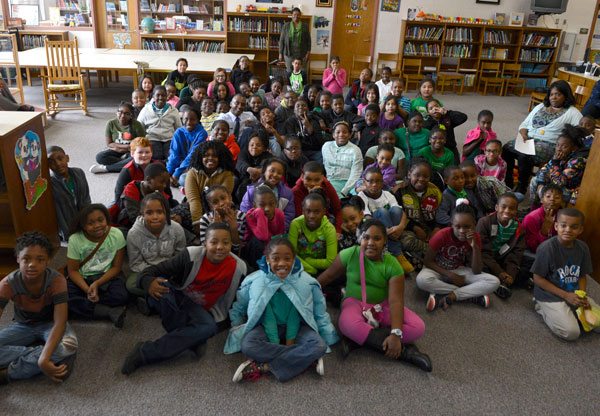
In Sumter County, South Carolina, a school board votes to shutter two rural schools where students are predominately Black. The school district claims finances as the cause, but the story, which includes recent past state action to add at-large school board members, is complicated.

We all know that public education funding often falls short of what is needed. But what values does the selling of naming rights for school buildings teach our children?
A nonprofit responds to a school board’s political screening of donations by teaching a lesson and providing an example of what they strive to teach children and young people.

While it is generally well known that the US has a high childhood poverty rate, the economic cost this poverty poses to US society is less well understood. A new study out of Washington University in St. Louis seeks to change this.

According to the US Dept. of Agriculture, in South Dakota, American Indians own only 924 of the 3,218 farms and ranches that exist on tribal lands. Lakota Funds, a nonprofit community development financial institution, is working to change that.