
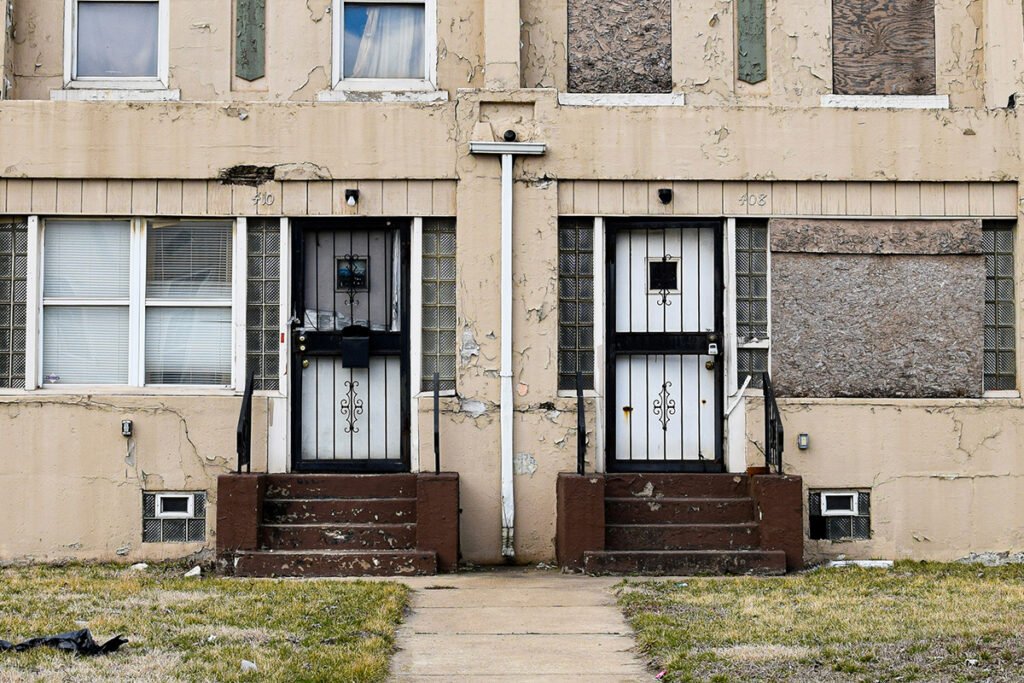
Your home is supposed to be your safe space. But for residents at Kansas City’s North Lawn apartments, home had become very difficult to live in. Since 2013, tenants had reported electrical failures, limited access to hot water, sewage problems, and more. By summer 2026, the conditions worsened, with some tenants going weeks without electricity and air conditioning. And as problems persisted, residents organized with a housing justice organization to demand better living conditions.
The dilemma of the North Lawn tenants offers a case study in what tenant organizations can achieve when municipal housing systems leave significant gaps.
Across the nation many tenants face a similar issue: how to secure safe housing without losing the home they’re fighting for.
The city changes course
The residents at North Lawn have been fighting for better living conditions long before the city ordered them out. For example, in 2013, an electrical fire knocked out utilities, leaving families without heat during one of the coldest weekends. After years of dealing with these issues, the residents joined with KC Tenants, a housing justice organization. KC Tenants then formed the North Lawn Tenant Union and launched a rent strike.
In a press release, KC Tenants announced the campaign: “Today, tenants in all three North Lawn buildings have come together to form a supermajority tenant union with 94% union affiliation. All tenants battle pests, a lack of maintenance, and unsecured exterior doors; many tenants have not had working heat for years; some tenants have sewage in their basement.”
In July 2026, the city approved an ordinance that directed City Manager Mario Vasquez to address issues at the apartment building and allocated $500,000 from the Housing Trust Fund to cover the costs of emergency repairs. Johnathan Duncan, who represents the 6th Council District and was previously a community organizer for KC Tenants, said, “This is an emergency repair that needs to happen immediately.”
But in August, the city changed its course and redirected funding toward relocation assistance and directed the property’s owner to make the repairs. Residents were ordered to leave the apartment complex on August 21. Police were present during the move, and residents told multiple news outlets that they had received no advance warning.
This displacement shifted the union’s fight from securing safe housing to securing immediate assistance and protections for residents who had to leave their homes.
Organizing under pressure
Following the evacuation order, the North Lawn Tenant Union turned its efforts into securing immediate relief for its residents. Moving out of an unsafe building creates its own set of problems, like finding another home and paying deposits.
Within days, the union had reached an agreement with Kansas City Mayor Quinton Lucas and city officials. The agreement included support for three months of rent, storage units, moving costs, groceries, and security deposits. The agreement was funded by the $500,000 that was originally allocated for emergency repairs at the complex.
Sign up for our free newsletters
Subscribe to NPQ's newsletters to have our top stories delivered directly to your inbox.
By signing up, you agree to our privacy policy and terms of use, and to receive messages from NPQ and our partners.
This agreement would help tenants manage the transition without facing those expenses all on their own. The agreement also highlights how tenant organization can shift. Initially, residents had come together to demand accountability and repairs from the city. When the city’s response left the residents scrambling for housing, the union then addressed those consequences with the city, resulting in immediate assistance.
Together, the North Lawn tenant union and KC Tenants coordinated between a local service provider and the complex’s landlord to find temporary housing. They also sourced mattresses, bedding, and other emergency supplies for displaced residents.
The union also secured longer-term protections with the property’s new owner. The North Lawn tenant union held a formal bargaining session with the new landlord and secured a signed agreement covering leases, a major repairs schedule, a right to return for tenants who were displaced, rent protections, and relocation support in the event of future displacement.
For residents, these long-term provisions extend beyond the August emergency and add a measure of protection from the financial disruption of another move. But it’s important for union members to recognize that the value of these protections depends on their implementation. Securing commitments was the first challenge; the second is ensuring that residents can benefit from them.
What the victory could—and could not—deliver
The North Lawn campaign is the perfect example of what organized tenants can accomplish when they negotiate collectively. The union secured concrete commitments for both immediate assistance and long-term protections. But while this is a victory secured for the residents at North Lawn, it doesn’t restore the stability residents lose when they’re displaced, nor does it erase years of deteriorating conditions that residents have had to live through.
This case introduces questions about whether cities intervene early enough to protect the tenants from being displaced. According to reports, the city knew about the issues at North Lawn apartments for many years. In 2023, after residents were left without heat, KC Tenants had organized household protections and rent stabilization, where the city paid $450 per month and tenants paid $400 per month. The apartment complex is in such bad condition that Vasquez said it would cost around $6 million to make the building habitable again.
Similar situations have unfolded elsewhere, like Detroit. Residents of Leland House were displaced in 2025 after an electrical failure cut power and heat. Three months later, residents were still locked out of their homes. Residents joined by the Detroit Tenants Union called for support and accountability from city leaders.
The Kansas City case also raises questions about whether residents have enough power in the decisions that affect their homes. For the North Lawn Tenant Union, securing the protections from both the city and the new property owner was a massive achievement. The union’s challenge now is to ensure those commitments are implemented in a way that benefits residents over the long term.
The biggest lesson for other tenant organizations is that collective action can give leverage in a crisis. But meaningful housing justice will require more than agreements reached after residents have already been forced to leave their homes.