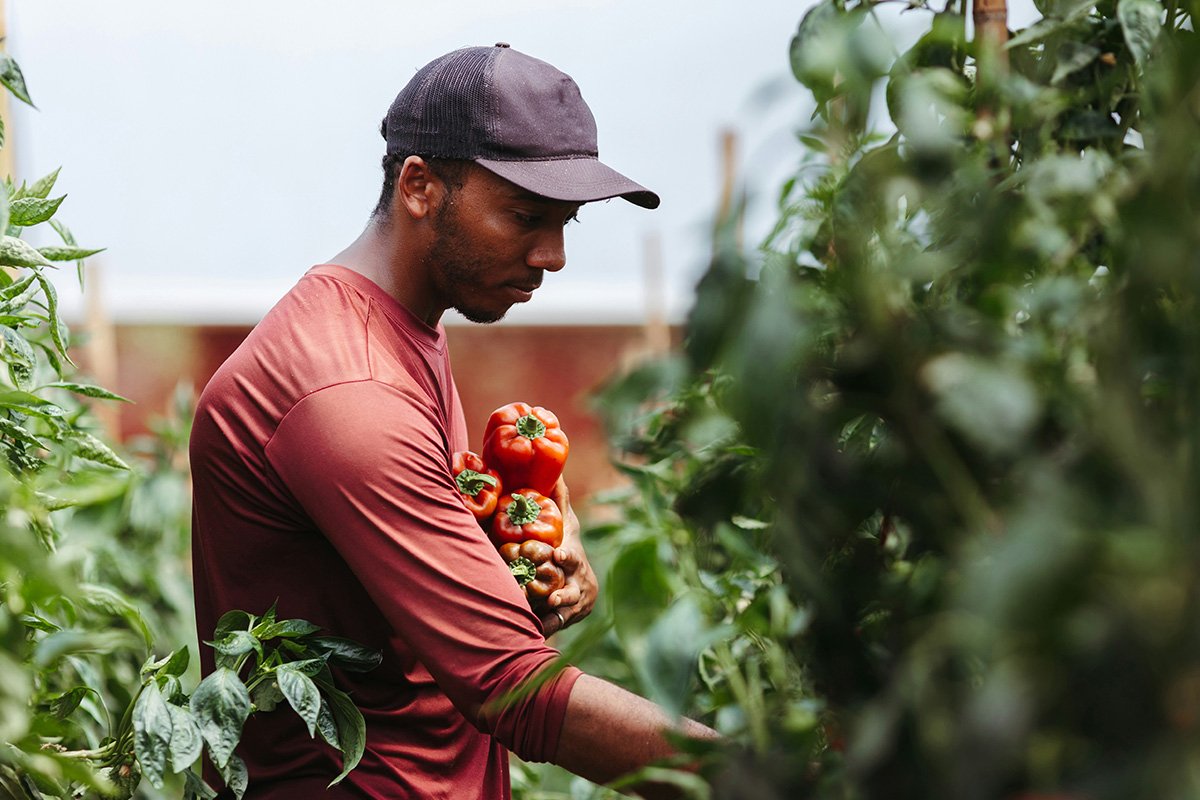
Located in the heart of central Louisiana is a 17-acre certified organic farm owned by a nonprofit organization, Jubilee Justice. But this farm is more than just an agricultural project. The farm serves as economic infrastructure built through community ownership.
The nonprofit Jubilee Justice has already made headlines for its movement to end rural racism by creating systems, like the farm and its mill, that successfully serve Black farming communities. But one question remains: if philanthropy succeeds in helping communities build ownership, what comes next?
Building the foundation is only the first victory. It’s time to ask what it takes to make community ownership last.
Philanthropy Can Build Assets, but Ownership Requires Systems
Community ownership requires more than startup capital. It depends on work we rarely see, like developing markets, community wealth building, governance, and long-term financial sustainability.
Co-Founded by president Konda Mason and vice president Mark Watson in Alexandria, LA, Jubilee Justice is home to the Black farmers’ rice incubator project. The organization, built on a former cotton plantation, aims to combat racial and economic disparities in the Black agricultural community while drawing inspiration from Afro-Indigenous farming techniques. To help Black farmers reclaim their heritage and recover from their loss of land—which Jubilee Justice puts at 90 percent since the 1920s—the rice project was created.
Philanthropy needs to understand the difference between funding a project and supporting the economic systems that enable the project to continue.
The project uses a community wealth-building approach that allows Black farmers ownership from seed to market. The cooperatively owned Black farmers’ rice mill enables Black farmers to retain the processing and market earnings.
Rather than just focusing on food production, the organization has created assets that generate wealth and local control. This is what sets Jubilee Justice apart from philanthropic funding of projects: Jubilee funds ecosystems that serve the community.
But building physical assets is only the first step to community ownership. For this type of shared ownership to actually last depends on systems of relationships, institutions, and resources that extend past the initial grant period. Without supporting systems, there can be very little access to processing facilities, buyers, expertise, and governance structures capable of carrying out the work for years to come. Philanthropy needs to understand the difference between funding a project and supporting the economic systems that enable the project to continue.
So, what does an ecosystem that supports community ownership look like?
The Hidden Infrastructure Behind Community Ownership
Community wealth building offers one answer. This is an economic development model with a goal of giving communities direct ownership and control of their assets. First circulated by The Democracy Collaborative in 2005, the model seeks to create local economies where wealth is generated, kept, and shared amongst the community.
Another example of the principles of community wealth building is the Evergreen Cooperatives in Cleveland, Ohio. Developed in partnership with the Democracy Collaborative, this cooperative is on a mission to create jobs through a network of employee-owned enterprises to revitalize low-to-medium income neighborhoods.
Sign up for our free newsletters
Subscribe to NPQ's newsletters to have our top stories delivered directly to your inbox.
By signing up, you agree to our privacy policy and terms of use, and to receive messages from NPQ and our partners.
The community wealth building network makes it clear that ownership alone is simply not enough.
Rather than relying solely on grants, the Evergreen Cooperatives have created assets that convert businesses to employee ownership, allowing jobs, ownership, and earnings to remain within the community. The support systems don’t just stop there. Ongoing business support is given to assist the worker cooperative and ensure that the project meets its goals.
Jubilee Justice reflects many of the principles of community wealth building as well. Its certified organic farm is a community asset, and its success relies on the support systems of the broader ecosystem surrounding it. The solar-powered rice mill, the education program, and land stewardship are just some of the support systems that help this organization meet its long-term goals.
Behind the scenes, Jubilee Justice’s annual review shares that it maintains ongoing, honest dialogue with equipment manufacturers and organic no-till/minimal tillage growers to further farmers’ expertise and support the economic systems that enable the project to continue. Partnerships with professors at Cornell University help maintain and improve the technical expertise needed to grow the community asset.
The community wealth building network makes it clear that ownership alone is simply not enough. Communities like those in the Evergreen Cooperatives and Jubilee Justice need the systems that allow their assets to generate economic opportunity lasting for generations to come.
The farm project is an example of the difference between funding an organization—and funding the conditions that allow for community ownership to endure.
Measuring Success Beyond Outputs
Measuring the success of community ownership projects is not as simple as traditional philanthropic metrics like acres grown or number of people trained. When it comes to community ownership, it’s time to rethink traditional evaluation frameworks that look at short-term outputs. Yes, they provide valuable snapshots of progress, but they’re no longer enough to determine real success.
Instead of looking at measurable outputs, more meaningful questions to ask could include:
- Who makes decisions? Is it a community effort?
- Who controls the economic value?
- Does the wealth remain within the community producing it?
While these types of outcomes can take years to evaluate and measure, there is already evidence that can tell us a bit about the model’s results for now. For example, the 18 nearby farms in neighboring states that have joined the Jubilee Justice project, illustrating that it is a community effort. The operational Jubilee Justice Specialty Foods Mill itself is a measure of success, as it continues to ensure that wealth remains within the community producing the seeds.
Jubilee Justice’s agriculture project is less a finished success story and more a case study that other philanthropic projects can use as they enter the next phase of community economic development. The farm project is an example of the difference between funding an organization—and funding the conditions that allow for community ownership to endure.
If your organization is serious about funding community ownership, you need to focus on investing in the long-term conditions like governance, relationships, infrastructure, and expertise to make sure that the assets you’ve built can sustain future generations to come.