After the Rent Guidelines Board approved the measure, New York City Mayor Zohran Mamdani succeeded in freezing rents on one million rent‑controlled apartments, suspending increases for one and two‑year leases. The regulation, which covers 40 percent of all apartments across the city’s five boroughs, will apply beginning October 1, 2026.
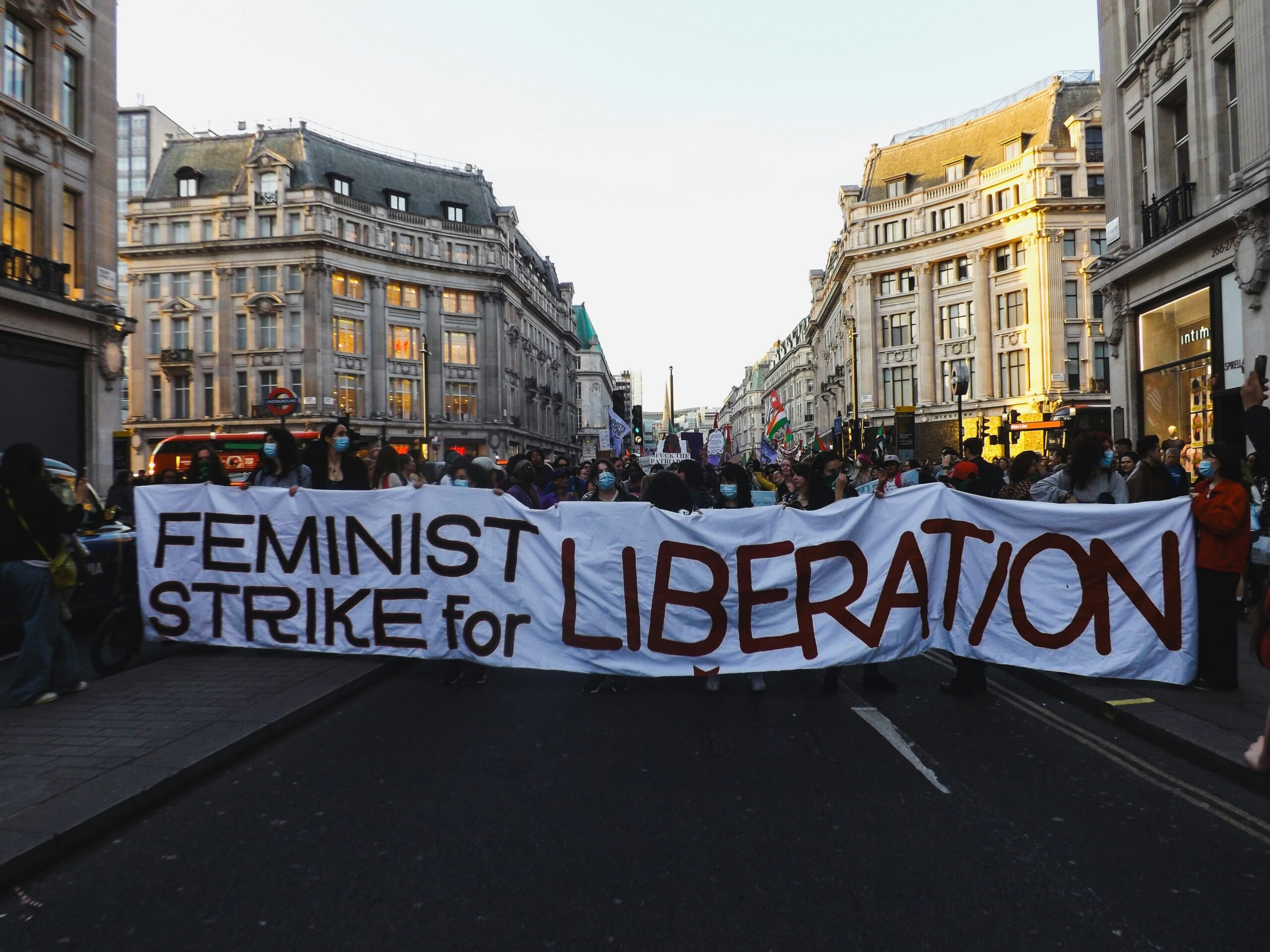
It is the first time such a freeze has been extended to leases of one and two years, and the vote was met with celebration from tenant advocacy groups who had long demanded relief as rents continued to rise in one of the world’s most expensive cities. In the public hearings held before the vote, tenants demanded a suspension of rent increases, arguing that their incomes had not risen at the same pace as inflation and the growing cost of utility bills.
Mamdani’s plan includes the legal recognition of tenant unions, giving residents the ability to schedule inspections in their own buildings, imposing tougher penalties on repeat-offender landlords, and providing individualized attention to complaints such as lack of heating or elevator breakdowns.
It also targets critical issues like mold, pests, and leaks, all within the framework of the “Block by Block” housing initiative, which aims to build and preserve 400,000 affordable homes.
This growing focus across all levels of government has created momentum and an opportunity for change.
Andrea Shapiro, director of program and advocacy at Metropolitan Council on Housing, said in an interview with NPQ: “I think I have to be optimistic. We’re using the rent freeze and all our current victories as a foundation for more. We want universal rent control, we want to expand who is covered by rent stabilization. We came close this year with the REST Act upstate, and now we want to expand further in New York City.”
Tenant organizers stress that pushing for federal housing reforms is extremely difficult in a country as large and divided as the United States. They note that local groups in New York have little influence over national decisions, and that the Fair Cloth Amendment severely restricts the expansion of public housing by limiting federal funding.
At the local level, Shapiro argued that resources are also insufficient to meet the scale of the housing crisis. Still, organizers remain determined to fight for stronger protections.
Impacting Low-Income Renters
“There are many different types of protections that can be passed both over the short term, like rent freezes, or over the long term, like rent stabilization, which limits how much and how quickly rent can rise each year,” Nada Hussein, a research analyst at National Low Income Housing Coalition (NLIHC), explained to NPQ.
Beyond these, housing advocates point to measures such as right‑to‑counsel policies that ensure tenants have legal representation in eviction cases, and civil rights protections like source‑of‑income rules that prevent landlords from rejecting housing vouchers. Other safeguards include “just cause” requirements, obliging landlords to provide valid reasons for eviction, such as non‑payment or lease violations, Hussein said.
Many of these protections already exist in New York, while others have been adopted in different states and localities. Since the COVID‑19 pandemic, additional protections have emerged, including relocation assistance when rent spikes without proper notice, and “pay‑to‑stay” provisions allowing tenants to settle arrears before eviction orders are finalized.
“There should be a national landlord‑tenant law that is uniform across the country, that sets a standard of habitability, that holds landlords accountable.”
Genesis Aquino, executive director of Tenants & Neighbors, described to NPQ the severe distress many tenants face in New York housing: collapsing ceilings, lack of water in winter, and infestations of roaches and mice that have become “normal” because landlords neglect repairs while continuing to raise rents.
“Without regulation, market‑rate tenants are left vulnerable to unchecked increases, often forced to share overcrowded apartments or leave the city altogether. This dynamic has contributed to the displacement of hundreds of thousands of working‑class families, particularly Black families, over the past decade,” she said.
Sign up for our free newsletters
Subscribe to NPQ's newsletters to have our top stories delivered directly to your inbox.
By signing up, you agree to our privacy policy and terms of use, and to receive messages from NPQ and our partners.
A Pew Charitable Trust analysis shows that housing shortages are hitting low‑income renters the hardest. Between 2017 and 2024, rents in the lowest‑income ZIP codes rose by as much as 10.3 percent while areas that expanded their housing supply saw slower rent growth. The study found that a 10 percent increase in housing stock correlated with a 1.4 percent reduction in rent growth compared with areas that did not add new units.
Cities with restrictive zoning face sharper rent hikes, leaving vulnerable tenants with few options, whereas metros that boosted housing supply—such as Austin, Denver, San Antonio, Raleigh, and Dallas—recorded declines in average rents for low‑income renters. New York City, by contrast, increased its housing stock only four percent from 2010 to 2023, despite a 22 percent surge in jobs, contributing to displacement and rising homelessness. The report concludes that expanding housing supply, even through market‑rate developments, improves affordability overall and benefits low‑income renters most.
Resistance to Tenant Protections
It is difficult to imagine this measure being replicated across different states since it has already drawn sharp criticism. For example, Florida Governor Ron DeSantis dismissed New York City Mayor Mamdani’s recent “Rental Ripoff” event as a “theater of the absurd.”
The backlash came after a tenant‑union speaker described eviction as a form of violence—a statement that Republicans quickly seized upon to attack Mamdani’s broader housing agenda. The strong partisan response underscores the challenges of exporting such policies beyond New York’s political climate.
Advocates insist that the benefits—greater housing stability, protection against displacement, and the chance to rebalance power between tenants and landlords—far outweigh the risks.
But the issue of housing rights has firmly entered the national agenda. The US-wide problem is the lack of affordable housing for extremely low‑income and very low‑income renters. But because affordability has become an issue affecting so many families today, it is now on the national political scene more than it has been in the past.
Andrew Aurand, Senior Vice President for Research at NLIHC, explained to NPQ that “there has been significant attention at the local level on land use, zoning, and ordinances that affect housing, as well as at the state level on policies, and of course at the federal level, particularly during the midterms.” He emphasized that this growing focus across all levels of government has created momentum and an opportunity for change, adding: “We’ve always said you need a combination of solutions to fix the problem, because it is a complex problem.”
In several states, advocates argue for the need to establish tenant laws that fully protect renters’ rights and guarantee access to dignified housing. Alabama illustrates the challenge; its landlord‑tenant law was only introduced around 2006, and before that there was no standard of habitability—meaning landlords could rent out unsafe units without any consequence.
Over time, even those initial provisions have been weakened, shifting the balance in favor of landlords and leaving tenants vulnerable. Housing specialists insist that stronger measures are needed at both the state and federal levels. As Teresa Fox Bettis, executive director at Center for Fair Housing, Inc. told NPQ: “There should be a national landlord‑tenant law that is uniform across the country, that sets a standard of habitability, that holds landlords accountable, but also the tenants. If the air conditioning is out, and you know it’s 100 degrees outside, you need to fix that.”
Resistance to rent‑freeze initiatives and broader tenant protections is inevitable, particularly as landlords and political opponents argue that such measures undermine property values or discourage investment. As a reaction to the measures taken by the New York City mayor, landlords filed a lawsuit seeking to overturn the decision. In their complaint, they argue that the mayor exerted undue influence over the Rent Guidelines Board, manipulating data to downplay landlords’ costs and exaggerate their revenues.
It is common for mayors to appoint members to the Rent Guidelines Board, and the panel has often reflected City Hall’s leanings. This year, the board’s data showed that landlords’ costs rose by 5.3 percent, but it also revised figures indicating that landlords’ revenues increased by 6.2 percent.
Arpit Gupta, the sole member of the Rent Guidelines Board who voted against the rent freeze and was appointed by former Mayor Eric Adams, dismissed the notion of political interference and defended both the independence of the board and the quality of its technical work. However, he cautioned in an interview with NPQ that the measure could undermine landlords’ financial health and, consequently, the physical upkeep of stabilized buildings, emphasizing that the interpretation of the board’s mandate is ultimately a matter of discretion for its members rather than external imposition.
Yet despite the pushback, advocates insist that the benefits—greater housing stability, protection against displacement, and the chance to rebalance power between tenants and landlords—far outweigh the risks. In a city where affordability has become a crisis, taking on this resistance is a risk worth embracing.