Not all foundations are created equal. Not all foundations cease operations equally, either.
Memphis-Based Plough Foundation Prepares to Close Its Doors in Four Years


Not all foundations are created equal. Not all foundations cease operations equally, either.

In New Hampshire, Yankee Publishing, a family-owned firm since 1935, sold 30 percent of the company to its employees; over time, employees will gain full ownership.

Two community development finance leaders weigh in on common misunderstandings about rural America and how to promote effective change.

Student survivors of the Parkland shooting outline a holistic vision to address the causes of US gun violence.
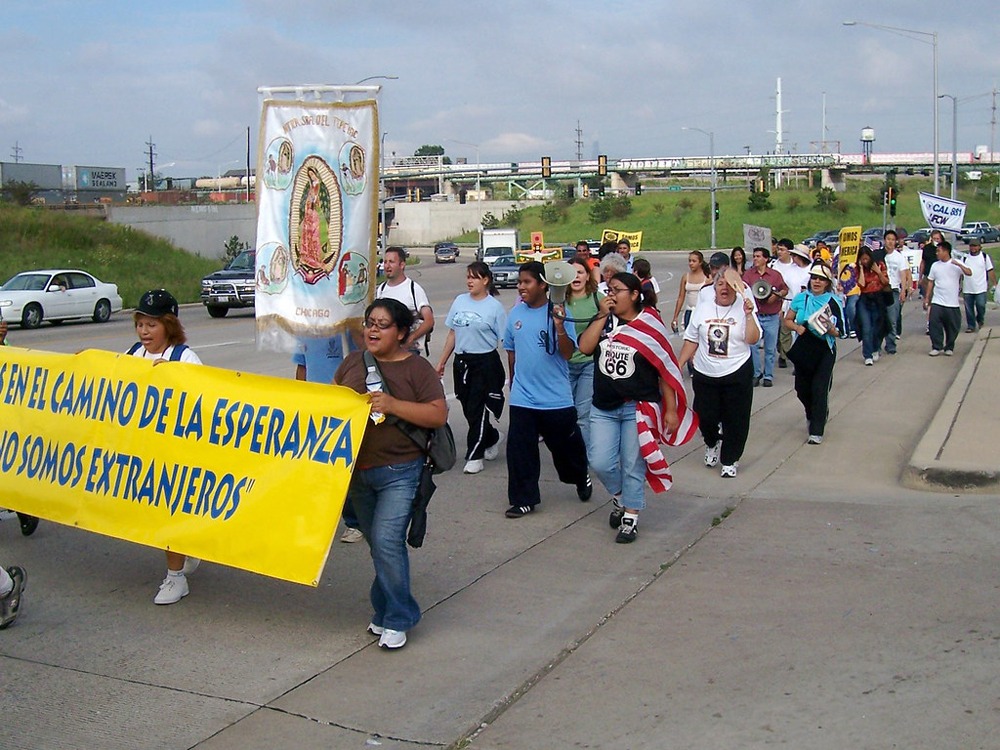
As the White House seeks to implement the so-called “public charge” rule that favors wealthier and more educated immigrants, a coalition of advocacy groups has sued the government over the proposed change.
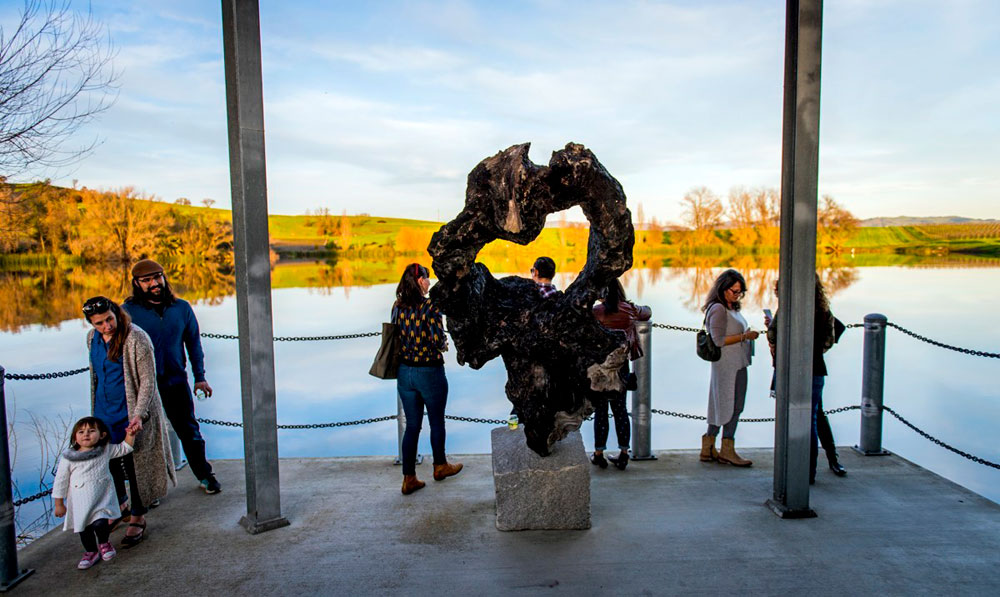
A Bay Area museum plans to deaccession the majority of its collection to stabilize its finances, prompting over 100 artists to sign an open letter protesting the move.

Advice columns on how to be a good board member often contain useful pointers, but it is important to get lost in the check lists and lose sight of your nonprofit’s mission.

Greta Thunberg, a 16-year-old Swedish climate activist, calls attention to the climate crisis by engaging in a near-zero carbon emission trip across the Atlantic.
While not without its drawbacks, a universal basic income, by setting an income floor for all Americans, has the potential to help create a more just society.

Indigenous women in Brazil marched on the capital, advocating for better healthcare, environmental protection for the Amazon, and sovereignty.
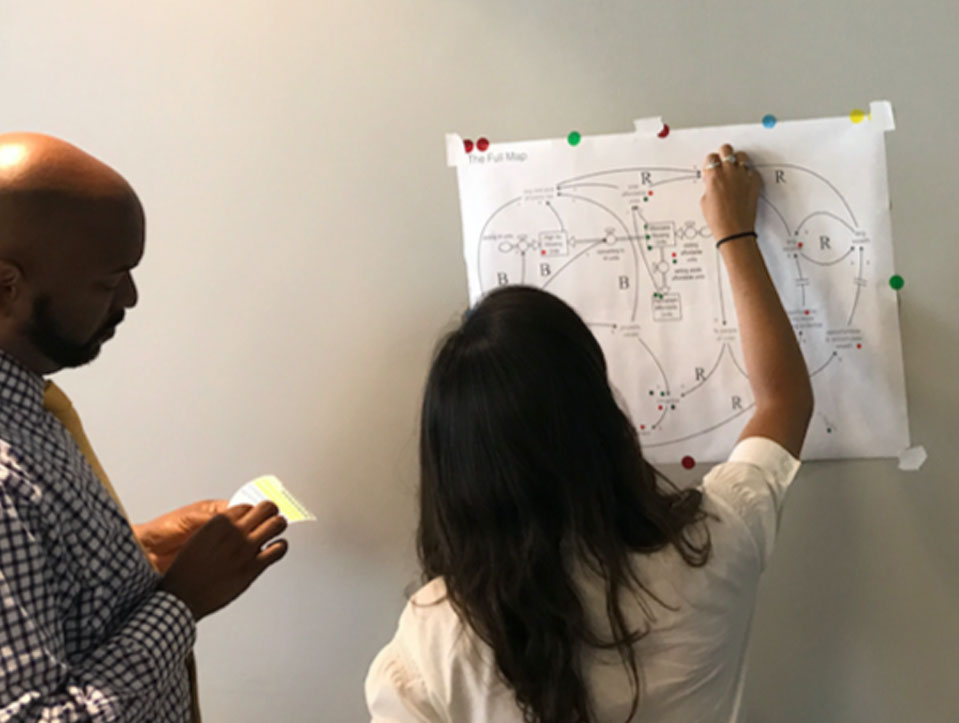
In Atlanta, one of the nation’s most unequal cities, an informal network known as the Just Growth Circle seeks to break down divides and foster equitable development.

In a social enterprise twist, a nonprofit seeks to preserve family-owned businesses by buying them, preserving jobs while generating earned income to support its operations.