While listening and feedback are essential, they are just the first step toward what participatory grantmakers call “authentic” participation.
Moving beyond Feedback: The Promise of Participatory Grantmaking



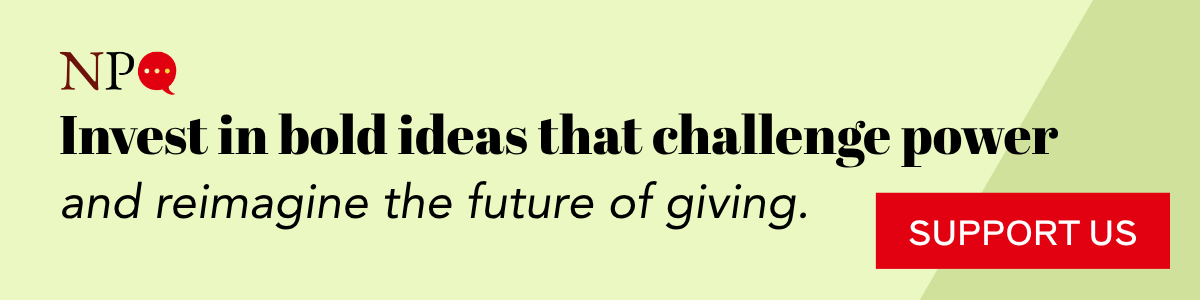
While listening and feedback are essential, they are just the first step toward what participatory grantmakers call “authentic” participation.

Small and mid-size donations are falling even as mega-donations make up a greater proportion of overall giving. This has major implications for nonprofits.

Candid’s survey found 39 percent of community foundations last year had a “DAF flow rate” of over 100 percent. In other words, they granted more from DAFs than they received that year.

There is a highly polarized conversation about whether or not donor-advised funds should be more closely regulated by government. NPQ takes a close look at the basic potential problems identified and the solutions being proposed, and suggests that a both/and approach is called for here.

Whether you think change takes time or it’s long overdue often depends on how much power you have in a system. Timelines for change are political.
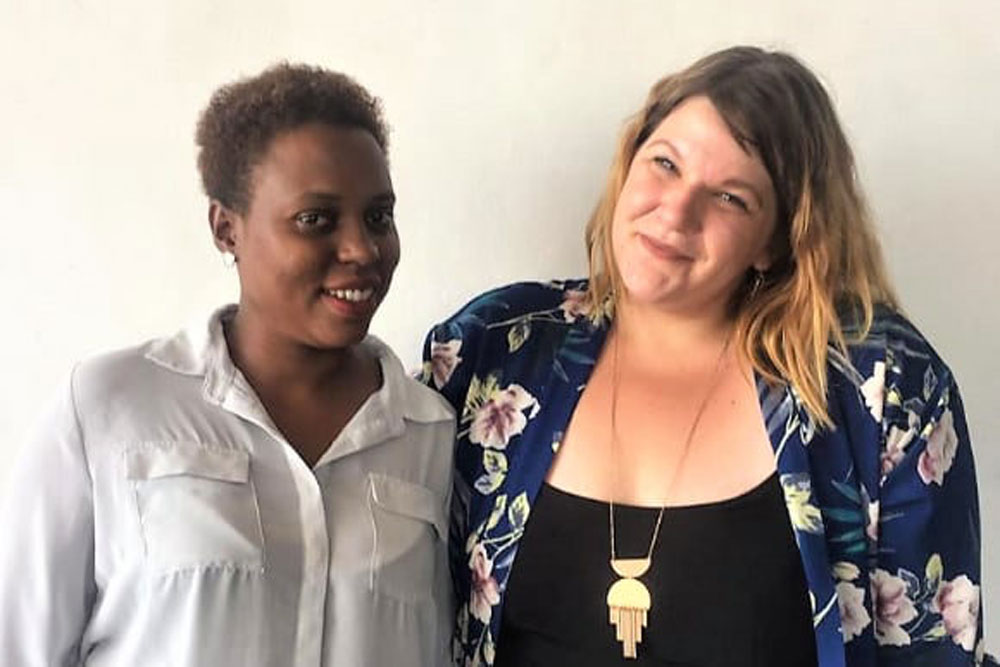
Whether calling out celebrities or highlighting controversial issues about race, a relatively new, but hugely popular campaign is using Instagram to hold altruistic white people accountable.
At an annual conference of co-op educators and developers from Canada, the United States, and Puerto Rico held last month in Minneapolis, co-op leaders came together to examine ways to build a more racially inclusive co-op movement.
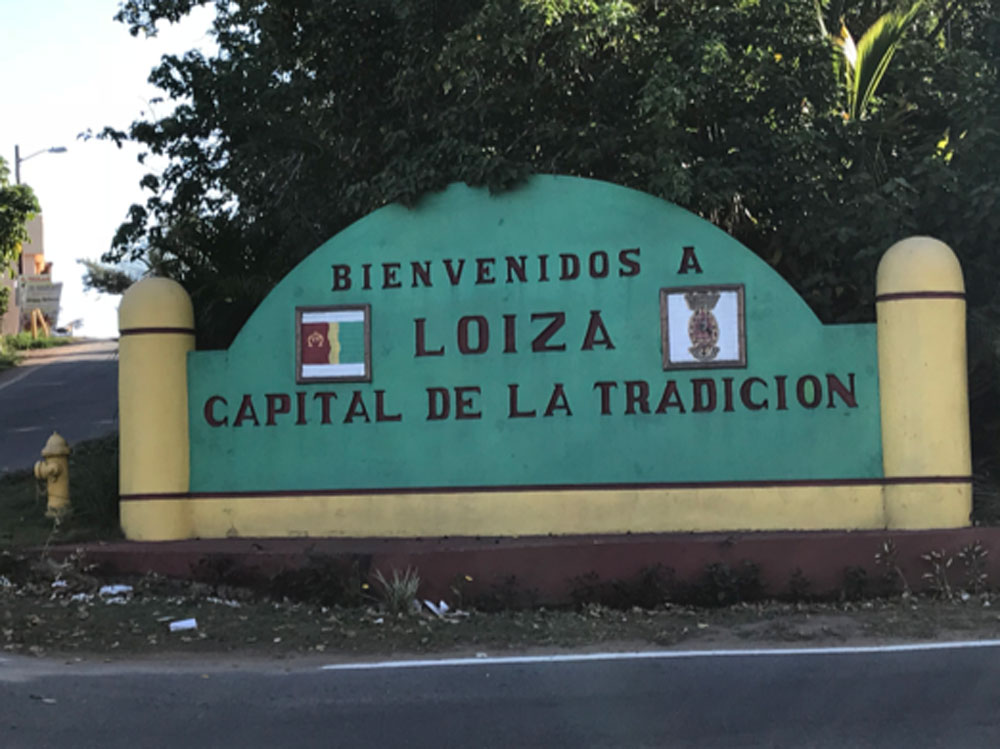
Black Puerto Ricans seeking to shape equitable development in Puerto Rico turn to the island’s own submerged narratives of racism.
Not all foundations are created equal. Not all foundations cease operations equally, either.

In New Hampshire, Yankee Publishing, a family-owned firm since 1935, sold 30 percent of the company to its employees; over time, employees will gain full ownership.
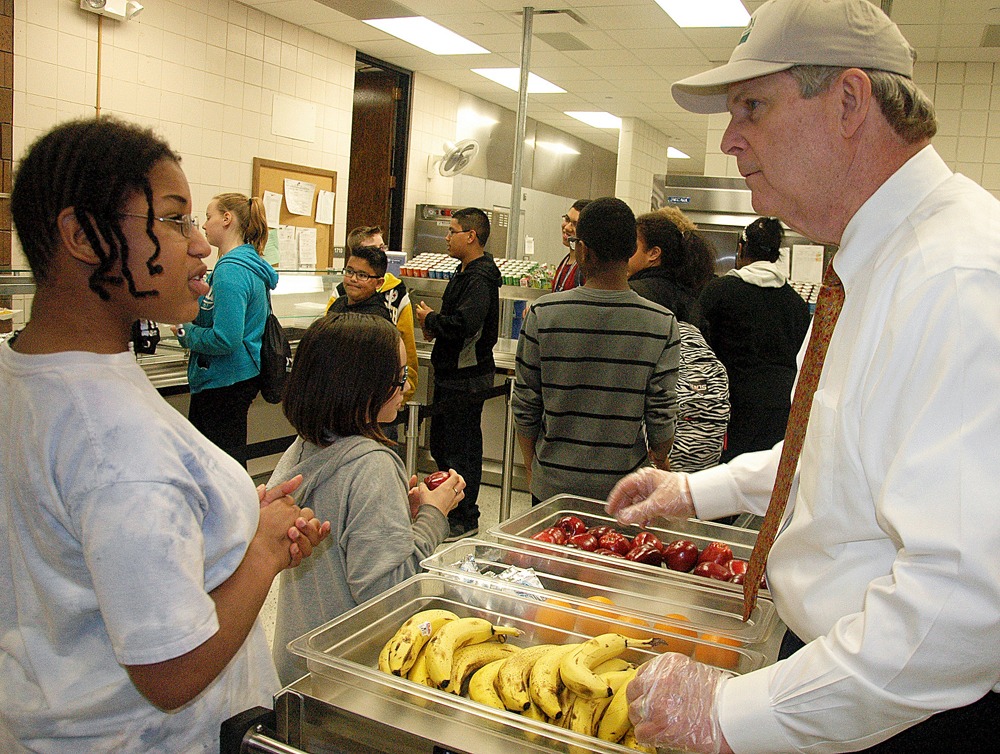
Two community development finance leaders weigh in on common misunderstandings about rural America and how to promote effective change.
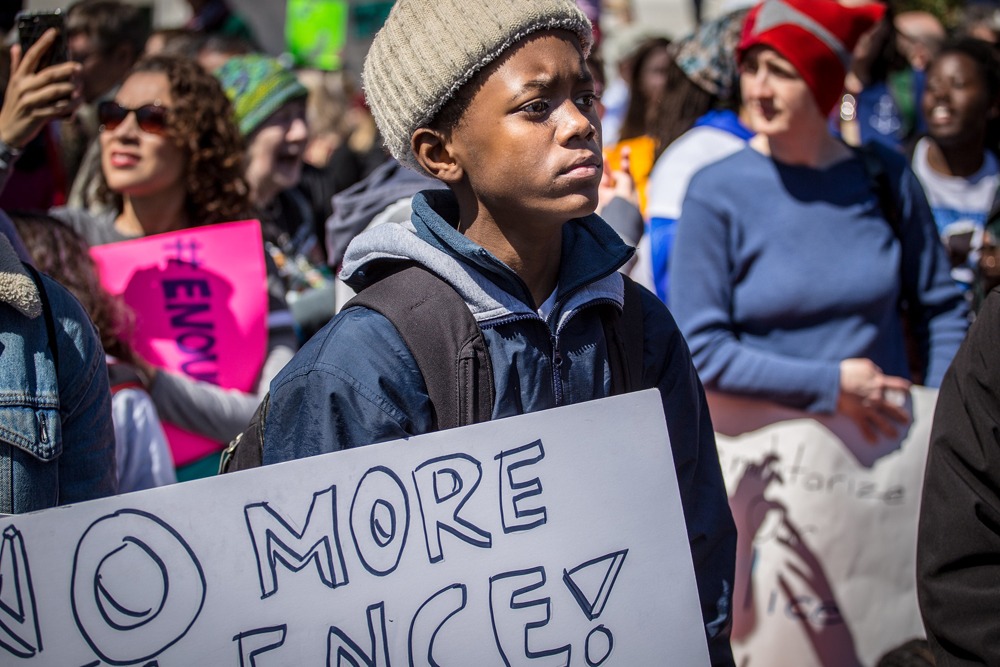
Student survivors of the Parkland shooting outline a holistic vision to address the causes of US gun violence.