Exhibitions at two public universities demonstrate that thoughtful planning and a measured response to objections can underscore the significance of art that invites “difficult dialogue.”
What to Do When Provocative Art…You Know, Provokes?




Exhibitions at two public universities demonstrate that thoughtful planning and a measured response to objections can underscore the significance of art that invites “difficult dialogue.”

Denver and Asheville launched community land trusts to preserve resident housing in neighborhoods with high risk of displacement. However, such efforts are often under-resourced, and this is no exception.
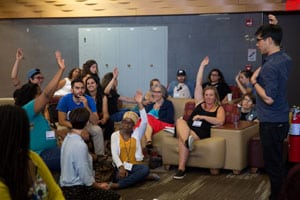
At a national gathering of hundreds of advocates for a more democratic economy, a call is made to link social movements to institutions that can provide the infrastructure to support a more democratic economic system.
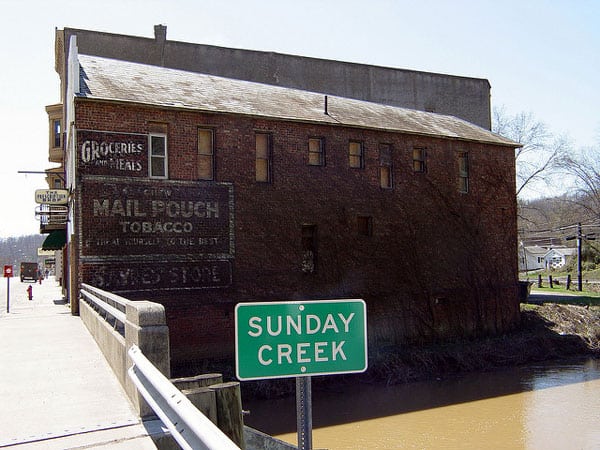
As a result of sustained and spirited public action, the Sunday Creek watershed has seen 17 species of fish and other aquatic life return. Now that a proposal to reopen mining at the site is being withdrawn, residents are hopeful these gains will endure.

The Charles Koch Foundation will make the details of their future academic grants public and share their criteria for grantmaking.

Trouble is brewing in a crucial part of Trump’s base: American farmers.

Is press monitoring of local government effective? Not always, but often enough that a study of over 200 US counties in the past two decades reveals a pattern in which, after local papers close, government efficiency falls and the cost of public borrowing rises.

If balancing the geographic inequities of this successful program could improve family nutrition, children’s health, and school attendance rates, it seems worthy of attention.

It is unreasonable to expect any organization to function perfectly, but there is an extra measure of unhappy cognitive dissonance involved when there’s an essential contradiction between a nonprofit’s purpose and practice.
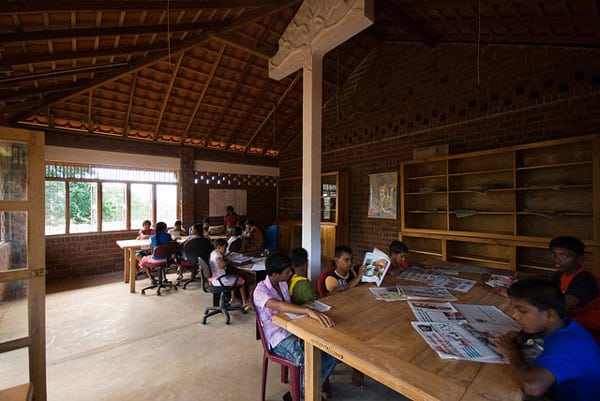
Nonprofits should pay close attention to what happened after the closing of Architecture for Humanity. There’s a lot to learn about organizational design.
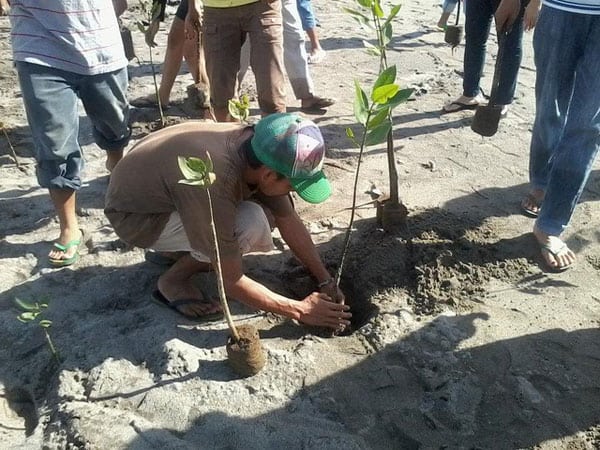
There is more than one way to preserve the legacy of a spend-down foundation, as the Atlantic Philanthropies has shown. By dedicating $660 million—eight percent of foundation assets—to support multiple fellowship programs, Atlantic ensures continuing impact for decades to come.
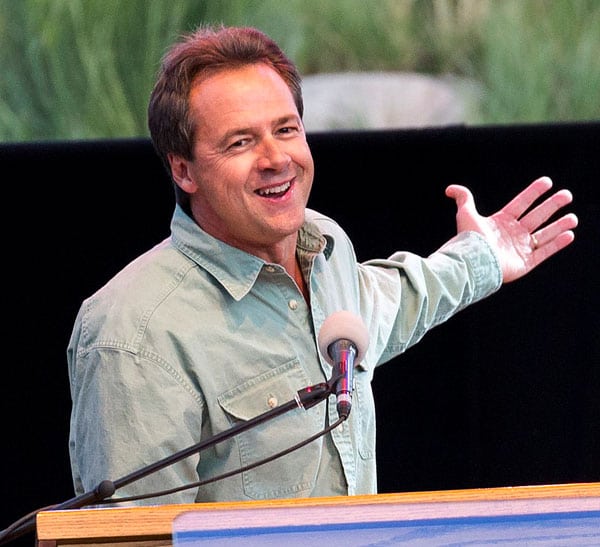
Governor Bullock says that by neglecting its duties in regulating dark money in nonprofits, the IRS and Trump administration have pushed the costs of responsibly monitoring tax and election laws onto the states—and Montana won’t let it happen without a fight.