On the eve of America’s 250th anniversary, Next250, a people-powered declaration, is asking a question this country has never fully answered: What do we owe each other? Together, the authors of this article serve as co-chairs of this nationwide civic and cultural initiative preparing communities to help shape America’s next chapter as the nation approaches its 250th anniversary. The June 27 mobilization will be anchored in Washington, DC, with coordinated gatherings taking place in communities nationwide.
The Declaration of Independence was signed in 1776 by men who owned slaves.
We say that not to dismiss it. We say it because the gap between what America declared and what America did is exactly where the rest of us have lived ever since. In that gap, between the promise and the practice, is where every movement for justice in this country has done its work.
That gap is also where Next250 began. But so did something else: a conviction that the story being told about this country right now—that we are too divided to share a vision, that our differences are too deep for common cause—is not just wrong. It is a narrative being propagated by people who benefit from our division. And, as such, it is a story we can refuse to accept.
Over the past year, through more than 40 base-building organizations, we conducted listening sessions with over 2,500 people from impacted communities across this country. They came from different backgrounds, different geographies, different political starting points. What we found, overwhelmingly, was not the fracture that cable news profits from selling. People wanted many of the same things: dignity, safety, opportunity, belonging, a belief that their voice matters and that their neighbor’s future is connected to their own.
The United States turns 250 this year. We believe this anniversary is the moment to demonstrate that unity out loud, in public, and together, around the shared values and policies that already connect us, whether the powerful admit it or not. That is where Next250 began.
The organizations and movements that have done the most to realize unity—the labor unions that built the weekend, the mutual aid networks that fed communities when government looked away, the civil rights organizations that litigated and marched and organized until the law had no choice but to catch up—rarely got credit in real time. They were recognized later, in retrospect, once what they built became something everyone took for granted. As this pattern continues, we must make an effort to recognize and uplift the work of organizations fighting to build a better world for us all.
To this end, about a year ago, the three of us started asking a different question than the one dominating the 250th anniversary conversation. Not: how do we celebrate what America got right? But: what kind of country do we want to become in the next 250 years?
We didn’t answer it ourselves. We listened to workers, young people, immigrants, faith leaders, Indigenous communities, artists, and labor organizers. We sat with people who have been told in various ways that their vision of America doesn’t count.
While the original Declaration asserted independence from a crown, this one asserts something more difficult and urgent: that the crises facing this country cannot be solved by any single community protecting itself while others are left to fend for themselves.
None of what we heard surprised us. The three of us have spent our lives inside these communities, working at the intersection of labor, racial justice, immigrant rights, and democracy. We already knew that Puerto Rican leaders have a lot to say about what citizenship feels like when your territory has no voting representation in Congress. We already knew that Indigenous organizers think about time differently than electoral cycles allow, not just with respect to the living, but to those who came before and those not yet born. We already knew that Muslim Americans, trans organizers, immigrant workers, and young people carrying the weight of a planet in crisis are not waiting for permission to imagine something better.
What the listening sessions gave us wasn’t information we didn’t have. They gave us something more useful: confirmation that these communities, despite everything designed to divide them, still want many of the same things. They want dignity, opportunity, safety, and belonging. Perhaps most striking, especially in this time when we hear mostly of fracture, we found a genuine belief that their futures are tied to their neighbors’ futures—even neighbors who don’t look like them, pray like them, or vote like them.
This, we believe, is the throughline connecting every movement that has ever truly won something in this country. That conviction, that we cannot be free alone, is the foundation of Next250’s Declaration of Interdependence.
While the original Declaration asserted independence from a crown, this one asserts something more difficult and urgent: that the crises facing this country cannot be solved by any single community protecting itself while others are left to fend for themselves. The gutting of healthcare. The climate emergency. Attacks on reproductive rights. The assault on voting access. The epidemic of gun violence. These are not separate issues affecting separate communities. They are a single, interlocking story about the discrepancy between whom this country has decided matters and who doesn’t.
Sign up for our free newsletters
Subscribe to NPQ's newsletters to have our top stories delivered directly to your inbox.
By signing up, you agree to our privacy policy and terms of use, and to receive messages from NPQ and our partners.
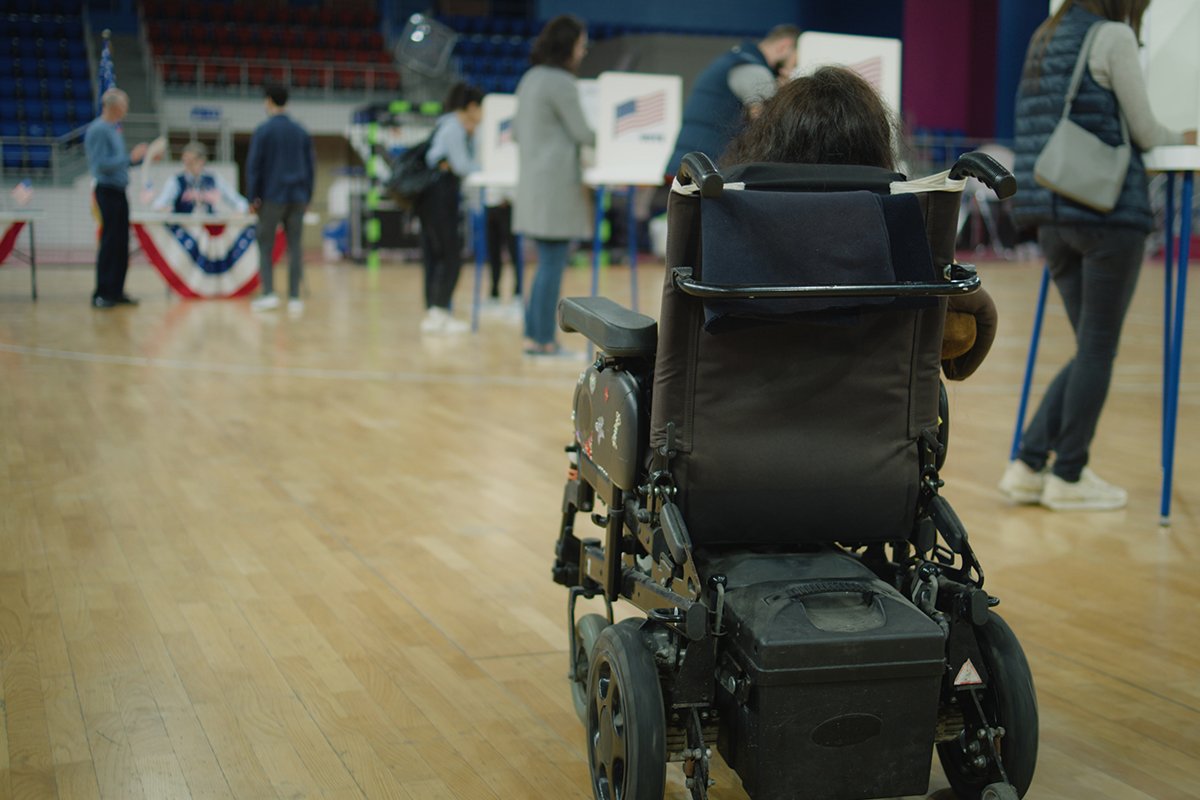
The five principles that emerged from our listening sessions reflect what people said they needed to live with dignity: A living wage for all; Climate justice for all; Reproductive justice for all; Voting rights for all; Gun safety and peace for all.
Each of those principles has a face, a family, a story from a room somewhere in this country where someone sat down and said, plainly, this is what I need.
One of the most important and least covered stories in American civic life is the work happening inside community organizations, cultural institutions, faith communities, union halls, and neighborhood gathering spaces every single day.
This is a gathering for something: For a vision of America that is affirmative, proactive, and rooted in values that thousands of people across this country told us they still share.
These organizations are not doing this work because it is trending. They have been doing it for decades and, in some cases, for generations. The listening sessions that produced the Declaration of Interdependence were only possible because of that existing infrastructure. We didn’t show up and hand people a microphone. We entered spaces that trusted community builders had already created. We sat inside relationships that organizers had spent years cultivating.
That civic infrastructure—chronically underfunded and underappreciated, yet essential—is the connective tissue of a functioning civil society. Democracy doesn’t run on presidential campaigns or cable news cycles. It runs on church basements where tipped workers earning below the minimum wage show up before a shift to pressure their legislators on living wage bills, and come back the next week to figure out how to protect their immigrant coworkers too afraid to come to work in the face of ICE raids. That is not a footnote to American democracy. That is American democracy. It is the work that holds everything else together.
On June 27, we are asking people to come together in Washington, DC and in communities across the country, not for a commemoration, but for a continuation.
This is not a rally against something, though we know there is plenty to rally against right now. This is a gathering for something: For a vision of America that is affirmative, proactive, and rooted in values that thousands of people across this country told us they still share.
It means doing something that those with wealth and power profit from telling you is impossible: bringing together workers and immigrants, young people and elders, faith communities and secular organizers, people in cities and people in rural areas, around a shared vision for the future. It means trusting that what we have in common is real—not manufactured, not performed, but real.
The movements that changed this country were not built on consensus. They were built on relationships, on the willingness to sit with someone who doesn’t share your experience and find, underneath the difference, a common demand for dignity.
The next 250 years of America will not be written in Washington. They will be written in the decisions being made right now, at the community level, about who gets to belong, who gets to survive, and whose voice shapes what comes next.
June 27 is a beginning. The Declaration of Interdependence is an invitation. The answer to the question we started with—what kind of country do we want to become?—belongs to all of us.