



In the U.K., homeless men die at an average age of 47 and homeless women at 43, compared to the general population, who die at an average of 77. It is almost unthinkable that hundreds of thousands of people in one of the richest developed nations of the world should have a life expectancy comparable to the population of the Congo, but policies of underfunding and neglect create the conditions for just this outcome.

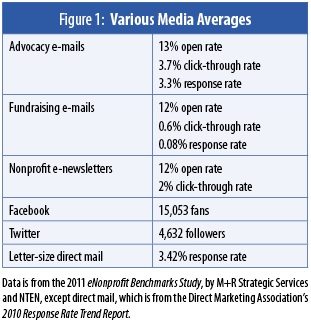
 Social media can eat up a lot of energy to little effect, and may even open us up to public criticism. So not only is the return on investment in question, but we may actually lose support. The authors here acknowledge these concerns, but also proffer some excellent reasons to use social media and a short, logical model for how to use these tools and methods.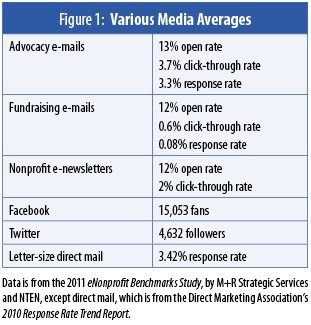
 Social media can eat up a lot of energy to little effect, and may even open us up to public criticism. So not only is the return on investment in question, but we may actually lose support. The authors here acknowledge these concerns, but also proffer some excellent reasons to use social media and a short, logical model for how to use these tools and methods.