If it’s true that race-based stress is at least in part to blame for high infant mortality rates, there remains a larger agenda to pursue.
State Lawmakers React to Disparity in Black Maternal and Infant Mortality Rates
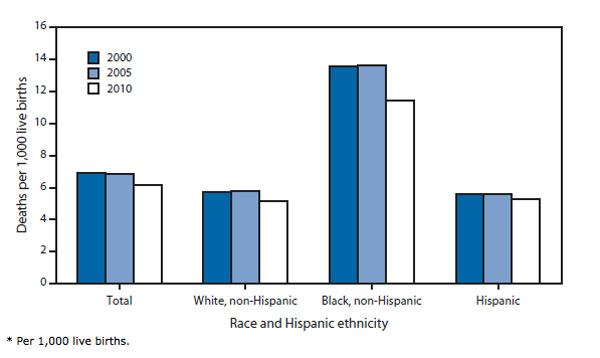



If it’s true that race-based stress is at least in part to blame for high infant mortality rates, there remains a larger agenda to pursue.

A recent partnership between a New York public media entity and a New Jersey nonprofit news site highlights the importance of collaboration in a rapidly changing media world.

In Milwaukee, the city won a 5-year, $5 million grant to address black infant mortality, but not without raising political hackles from local black nonprofits.

In the industrial age, organizational design set clear lines of command and control. In our age, flexibility and the acceptance of ambiguity is critical. In our series on sensemaking, we look at what are some of the best practices available for designing organizations where interpretation and regular reinterpretation is a key part of the job.
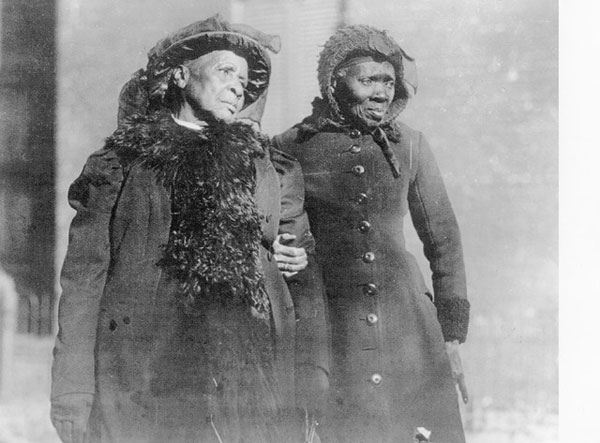
The subject of Black reparations is finally moving from the fringe to the center of public conversation. It comes at a time of widespread economic inequality and calls for universal approaches. Democratic presidential candidates find themselves smack in the middle of it.

Must nonprofit status mean starvation wages? Not at all. In fact, Minnesota data show that nonprofits have closed the gap in wages with the public sector and are only $4,000 shy of the average private, for-profit sector wage level.
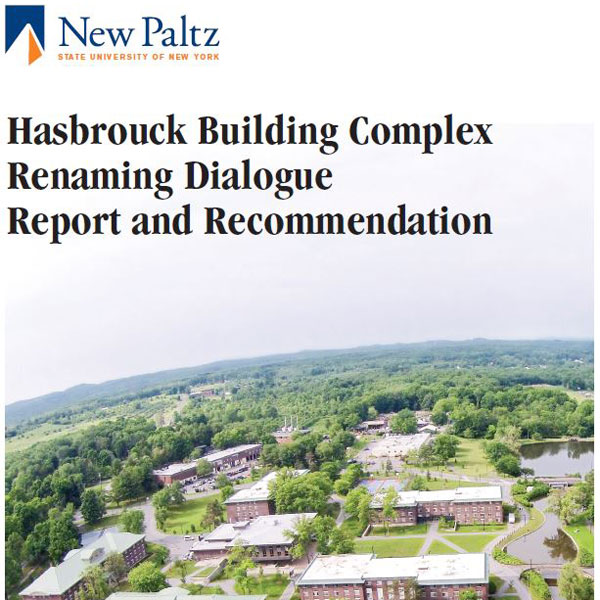
After an extensive public input process, a university board of trustees approves a campus recommendation to remove slaveholder names from five student dormitories and a dining hall at SUNY New Paltz.

Once again, the museum accountability movement proves its effectiveness.
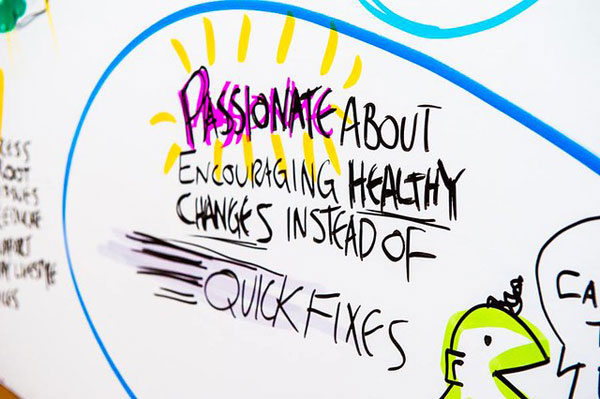
While it is good to see health care providers take steps to improve health by meeting patients’ social needs, to truly address social determinants of health requires a broader community vision.

When the environment changes, so must its composite institutions. Small liberal arts colleges are facing up to this reality with a lot of stakeholder help.

Aaron Tanaka, director of the Center for Economic Democracy and cofounder of the Boston Ujima Project, describes a new approach for economic development centered on the concept of “social justice enterprise,” which seeks to create a more just society by following “three pillars”: stakeholder ownership and control; social impact and community benefit; and worker and community power.

Recent superhero movies star villains fighting for social justice. What’s that about?