By a two-thirds vote, Georgetown students have approved a referendum to create a fund to benefit the descendants of 272 persons enslaved by the university’s Jesuit priests.
Georgetown Students Vote to Pay Reparations for University Sale of Slaves



By a two-thirds vote, Georgetown students have approved a referendum to create a fund to benefit the descendants of 272 persons enslaved by the university’s Jesuit priests.

A white supremacist-inspired arson committed last month at the Highlander Research Education and Center in Tennessee, which has trained social justice organizers for 87 years, reminds us of the enormous importance of social movement infrastructure.

Some who watch philanthropy say there is a difference between bribes and donations, but not everyone agrees.

Old White Charities has two board members making six figures. One of them is the governor of West Virginia.

Deputy Secretary-General Amina Mohammed says the UNs Sustainable Development Goals can’t be achieved without changes to global financial systems.

In Oklahoma, a dispute that upended a three-decade partnership between a local public television station and its support foundation is resolved. According to the settlement terms, the support foundation will be dissolved and its assets to transfer to a new “friends” organization.

Congestion pricing is now law in Manhattan. Will charges assessed drivers traveling to high-congestion areas change the way people view city driving and public roads?
To preserve what remains of the city’s affordable housing stock, a proposed San Francisco law would give nonprofits the first chance to buy multifamily buildings when they are for sale.

Kentucky passes a law to reverse pregnancy discrimination and support working families.

A bureaucratic error by a volunteer coordination office of Washington, DC could cause AmeriCorps funding in the nation’s capital to fall by $3.75 million.
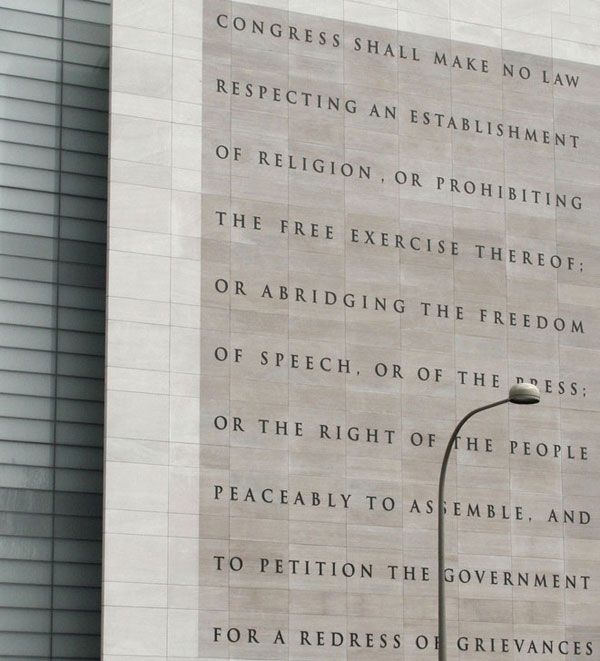
A Georgia bill would create a state commission to set and oversee journalism ethics. What do legislators fear would happen otherwise?

The world of work is changing—and not in the direction of greater equity. However, employee ownership provides a pathway for addressing many of the challenges of current workplace trends like the automation of work and the shift to a gig economy. If people own their jobs, then they have the leverage necessary to create more stable employment.