Roots of inhumane Trump administration practices against immigrants can be found dating back to the founding of the US Border Patrol in 1924.
Will the US Confront Its Long History of Border Atrocities?
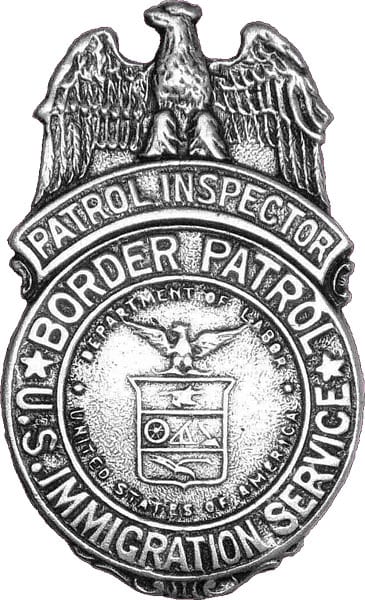


Roots of inhumane Trump administration practices against immigrants can be found dating back to the founding of the US Border Patrol in 1924.

The financial siren song of big pharma has lured more than one nonprofit into dangerous waters.

Put simply, the philanthropic norm is a “short leash,” involving one-year grants monitored for the proportion they comprise of the overall budget, and often provided for relatively restricted purposes. The alternative depends upon multiyear, relatively unrestricted grants of sufficient size to allow grantees to holistically and nimbly develop and improve the quality, and sometimes the reach, of their work.
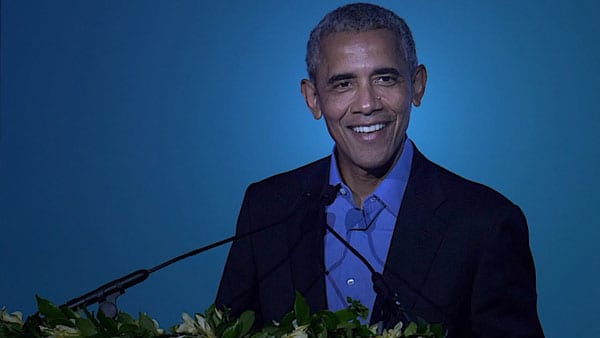
Barack Obama rolls out another global program with the goal of engaging up to 200 civic leaders in the Asia-Pacific region.

A funding ban can be implemented meaningfully, as the Andy Warhol Foundation for the Visual arts proves in the way it handled its ban on funding the Smithsonian.

The Trump administration considers tapping into money set aside for disaster recovery in Puerto Rico, Texas, California, and across the country as a possible source to provide “emergency” funding for constructing hundreds of miles of fencing along the US-Mexican border.

In spite of increased health care coverage in the US, social determinants have an outsized impact on population health.

In an interview with Laura Flanders, author and platform co-op activist Nathan Schneider lays out pieces of his vision for a more democratic economy.

The absurd attempt to use a crowdfunding site as an alternate means to fund the president’s wall on the southern US border has become more convoluted.

Nonprofit boards are, as this article explains, “deeply influenced by any number of ‘silent’ factors beyond whether they happen to adhere to commonly agreed-upon standards of governance.” These are otherwise known as cultures of trusteeship, and they are powerful—if often unseen—informants of the behavior and habits of our nonprofit boards.

Today, we look back on some of the unsavory things that went on behind the scenes among those who responded to the Ebola outbreak in West Africa four years ago. And given the chances that these deadly epidemics will rear their heads across the globe again and again, it’s important to figure out what went
Hundreds of students who would otherwise be shadowing federal leaders as part of their studies this spring are now in a holding pattern. Nonprofits may want to take advantage of the situation.