At the Wichita Zoo, it’s a case of a public-private partnership gone really bad.
A Dark Night at Wichita’s Zoo: Wrangling for Power in a Public-Private Partnership
At the Wichita Zoo, it’s a case of a public-private partnership gone really bad.
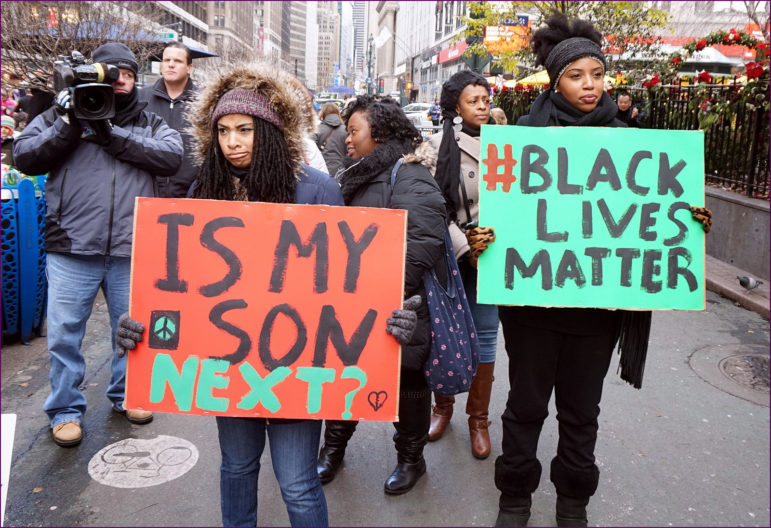
Why do Black Lives Matter protests so often occur on highways, in airports, and at other elements of our transportation infrastructure? It’s all about symbolism and social and movement history.
A bill to override state-based food labeling laws swiftly cleared the House and Senate and is now awaiting the president’s expected signature. Opponents object to its tame approach to consumer disclosure of GMOs.
Kudos to TCF and PNE for recognizing that it’s a new day and for undergoing a critical self-assessment to determine the best next steps with the community in mind.
Defending the Department of Education, 85 organizations, mostly nonprofits, speak out on behalf of victims of sexual assault, women and minorities.
The Syrian Observatory for Human Rights described the airstrike as a massacre that killed at least 56 and wounded dozens more. More than a hundred civilians have been killed in Western-led attacks since May.
When Yogi Berra told a reporter, “It ain’t over until it’s over,” he was talking about baseball, but he might as well have been talking to the millions of American workers who were counting on new overtime regulations for increased earnings come this December.
The problems facing the Met are achingly familiar to many but on a grander scale.
Nonprofit organizations must keep an eye on the future by engaging volunteers in a more fluid and constant way that ensures high quality volunteers are connected with the organization and each other on an ongoing basis.
Imagine your revenue blocked by a wall of writhing, counterproductive state “streamlining” efforts heaped one upon another, and you may be close to seeing what Kansas nursing homes are faced with when accepting Medicaid patients as residents.
South Dakota’s main state-run mental health facility has been plagued by high staff turnover and problems with patient care that resulted in a federal plan of correction. Still, the state believes accreditation is unnecessary.
With ballooning cost projections looming and security concerns reinforced by recent events, this public university decided that the potential costs of hosting a presidential debate far outweigh the benefits. What implications might that have?