Giving USA reports that charitable giving for the year 2015 was the highest on record at $373 billion. How will that affect your nonprofit?
Philanthropic Unicorns and a Stable State in Giving USA’s 2015 Numbers


Giving USA reports that charitable giving for the year 2015 was the highest on record at $373 billion. How will that affect your nonprofit?

Shelving the new rules and saving some dollars by not paying overtime will solve an immediate threat, but it will not address the core problem of underfunding and poor labor practices among nonprofits. Is this where we want to stand?

Community newspapers are very much a part of our civic lives, but running them is often an act of devotion. The owner of the Hardwick Gazette is treating his search for a new owner accordingly by crowdsourcing the search for a successor.

A board that did not make finances its business ends up with a CEO who eventually made the finances his own. It’s a story we wish we could stop reporting.

As part of an effort to increase manpower, volunteer firefighters in the Pennsylvania borough of Emmaus began getting part-time hourly pay in 1994. They receive W-2 tax forms at the end of the year for those paychecks with federal and state taxes deducted. At that point, are they still volunteers?

Cheryl Strange is very new in the role of CEO at Western State Hospital in Lakewood, the largest psychiatric hospital in the state of Washington. But because she has defied the court to keep a patient with dementia on the waiting list for admission rather than admit him out of order of need or place on the wait list, she may be facing jail time.
Victims of Japan’s sexual slavery during World War II launched a private foundation last week in an act of defiance against the landmark deal struck between Japan and South Korea.

The World Health Organization adds Thailand to its growing list of countries successfully reducing the number of HIV positive citizens. While other countries have achieved the targeted rate of mother-to-child transmission, disparities in access to care remain a challenge.

It may seem like looking a gift horse in the mouth, but a few recent incidents suggest that qualifying donors who are making as-yet-unsecured pledges is an increasingly important aspect of good fundraising practice.
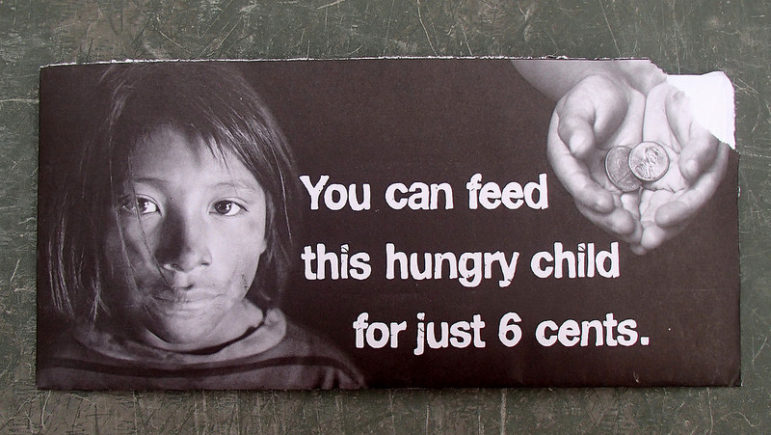
The Australian Council for International Development (ACFID) has rebuked Geraldine Cox, founder of Sunrise Cambodia, for the objectification and exploitation of the children in her care—in other words, for producing “poverty porn.”

Advance your career and tear down systems of oppression! TFA offers new recruits the moon.
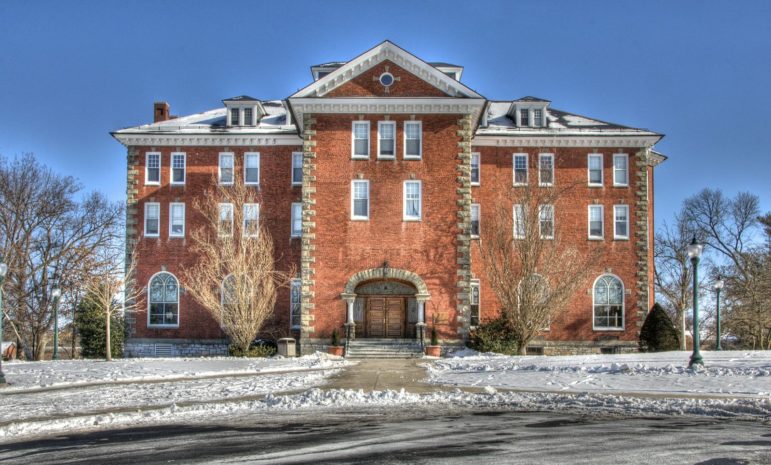
A three-year fundraising campaign raised Mercersburg Academy’s endowment by 70 percent.