logo logo
Fund the truth. #Wethecivic giving banner
Donate
    • Membership
    • Donate
  • Social Justice
    • Racial Justice
    • Climate Justice
    • Disability Justice
    • Economic Justice
    • Food Justice
    • Health Justice
    • Immigration
    • LGBTQ+
  • Civic News
  • Nonprofit Leadership
    • Board Governance
    • Equity-Centered Management
    • Finances
    • Fundraising
    • Human Resources
    • Organizational Culture
    • Philanthropy
    • Power Dynamics
    • Strategic Planning
    • Technology
  • Columns
    • Ask Rhea!
    • Ask a Nonprofit Expert
    • Gathering in Support of Democracy
    • Hope in the Dark
    • Humans of Nonprofits
    • Inside the States
    • In Defense of Civil Society
    • The Myth of Heroic Leadership
    • Notes from the Frontlines
    • Notes from the Long Arc
    • Reimagining Philanthropy
    • The Unexpected Value of Volunteers
    • We Stood Up
  • Newsletters
  • NPQ Online Events
    • Premium Webinars
    • Learn Out Loud
    • Partner Events
    • On Demand
  • Leading Edge Membership

Hillary Clinton and Saul Alinsky: Who Knew?

Rick Cohen
September 24, 2014


Clinton

September 22, 2014; Christian Science Monitor

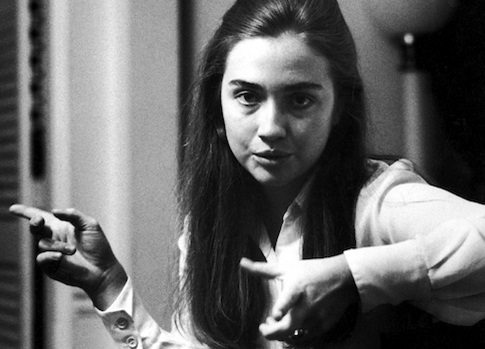
How exciting! When young Hillary Rodham, now Hillary Rodham Clinton, was a young Wellesley college student writing her college thesis on community organizing, she got to know Saul Alinsky, the founder of the Industrial Areas Foundation and author of Rules for Radicals, and kept up a correspondence with him for some years afterwards.

In the context of Hillary Clinton’s all-but-inevitable presidential campaign, her correspondence with Alinsky is just about assured to become an issue for her Republican critics. Does her relationship with Alinsky make Clinton, seen by many as a mainstream Democratic politician in contrast to more left-wing potential challengers such as Senator Elizabeth Warren, more vulnerable to conservative charges that she is really a closet “radical”?

Sign up for our free newsletters

Subscribe to NPQ's newsletters to have our top stories delivered directly to your inbox.

By signing up, you agree to our privacy policy and terms of use, and to receive messages from NPQ and our partners.

Remember that Hillary Rodham was writing her college thesis on community organizing in 1968, a very different time than today. But also remember that Alinsky offered the young Rodham a job, which she turned down, despite, as she told him in one letter from 1971, having “survived [Yale] law school, slightly bruised, with my belief in and zest for organizing intact.”

She might have been attracted to Alinsky’s brilliant organizing instincts, but the similarity between Alinsky and Rodham seems to have been pragmatism. Alinsky’s organizing strategy wasn’t really ideological. Rules for Radicals is a manual of techniques for common people to bring powerful institutions to heel, without an ideological framework. Alinsky would consider nearly anything that might work, including his threat at one point to convene a “fart in” at a Rochester Philharmonic concert.

Fending off critiques from the likes of Senator Bernie Sanders on the left and a likely panoply of putative Republican presidential candidates on the right, Hillary Clinton comes off as a political pragmatist, avoiding the shoals of ideological extremes as she navigates her way to Democratic Party acclamation. The difference between Hillary Rodham Clinton and Saul Alinsky is that she chose to work from within the political system while he worked from the outside. Some of Alinsky’s tactics don’t seem to fit the campaign strategy of a mainstream Democratic presidential candidate.—Rick Cohen


 

Our Voices Are Our Power.

Journalism, nonprofits, and multiracial democracy are under attack. At NPQ, we fight back by sharing stories and essential insights from nonprofit leaders and workers—and we pay every contributor.

Can you help us protect nonprofit voices?

Your support keeps truth alive when it matters most.
Every single dollar makes a difference.

Donate now
logo logo logo logo logo
About the author
Rick Cohen

Rick joined NPQ in 2006, after almost eight years as the executive director of the National Committee for Responsive Philanthropy (NCRP). Before that he played various roles as a community worker and advisor to others doing community work. He also worked in government. Cohen pursued investigative and analytical articles, advocated for increased philanthropic giving and access for disenfranchised constituencies, and promoted increased philanthropic and nonprofit accountability.

More about: Nonprofit NewsPolicyPolitics
See comments

Sidebar-WTC
You might also like
Philanthropy’s Role in Reparations and Building a Culture of Racial Repair
Aria Florant, Tonyel Edwards, Cora Daniels, Alexandra Williams, Maurice Asare and Vikas Maturi
Two Hundred and Fifty Years of Gunfire (Commentary)
Jaclyn Corin
They Wept Before the City Knew
Yahia Lababidi
Her Grandparents Fought to Join American Democracy. She’s Fighting to Complete It.
Errin Haines, The 19th
Why State Legislators Need Global Strategy
EJ Juárez
A Letter to the World: From a Young Palestinian Man, To a World Where I and My City Will Be Eradicated
Yahia Lababidi and Mohammed Abu Lebda

Upcoming Webinars

Group Created with Sketch.
July 16, 2:00 pm ET

Readying for the 2026 Midterms

How 501(c)(3)s Can Educate and Advocate During this Election Season

Register
Group Created with Sketch.
August 13, 2:00 pm ET

Building Narrative Power for Equity and Solidarity

Register

    
You might also like
A Black family walks down a path in park, with the father carrying his daughter on his shoulders with her arms outstretched. The mother hold’s the daughter’s hand.
Philanthropy’s Role in Reparations and Building a Culture...
Aria Florant, Tonyel Edwards, Cora Daniels, Alexandra Williams, Maurice Asare and Vikas Maturi
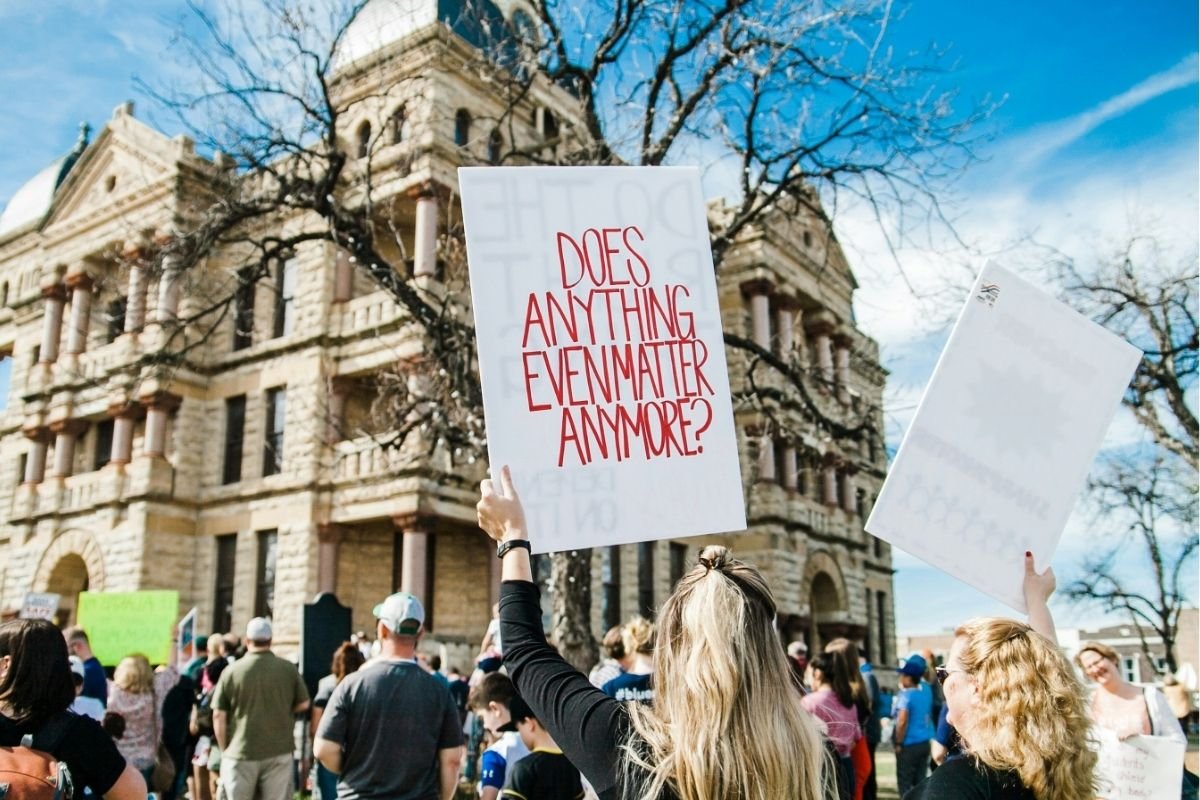
A protester holds a handwritten sign reading "Does anything even matter anymore?" above a crowd gathered outside a government building.
Two Hundred and Fifty Years of Gunfire (Commentary)
Jaclyn Corin
A cluster of blue, 6-petaled forget-me-not flowers, a symbol of rememberance and memory.
They Wept Before the City Knew
Yahia Lababidi

Like what you see?

Subscribe to the NPQ newsletter to have our top stories delivered directly to your inbox.

See our newsletters

By signing up, you agree to our privacy policy and terms of use, and to receive messages from NPQ and our partners.

  • About
  • Advertise
  • Careers
  • Contact
  • Copyright
  • Donate
  • Funders
  • Editorial Policy
  • Media Relations
  • Privacy Policy
  • Submissions

We are using cookies to give you the best experience on our website.


Nonprofit Quarterly | Civic News. Empowering Nonprofits. Advancing Justice.
Powered by  GDPR Cookie Compliance
Privacy Overview

This website uses cookies so that we can provide you with the best user experience possible. Cookie information is stored in your browser and performs functions such as recognising you when you return to our website and helping our team to understand which sections of the website you find most interesting and useful.

Strictly Necessary Cookies

Strictly Necessary Cookie should be enabled at all times so that we can save your preferences for cookie settings.