American Indians, hit as hard by the opioid crisis as rural whites, develop their own legal and medical responses to the crisis.
American Indian Nations Respond to Opioid Epidemic in Their Communities
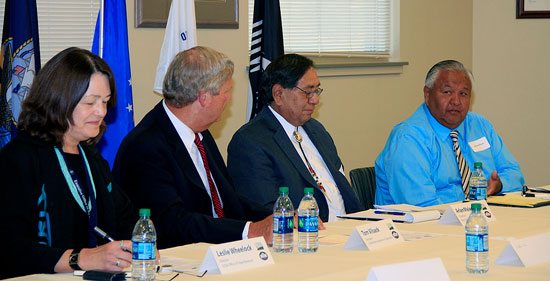



American Indians, hit as hard by the opioid crisis as rural whites, develop their own legal and medical responses to the crisis.

Maybe our donors and constituents need to build a sense of community with joy at the center—did you ever consider that?
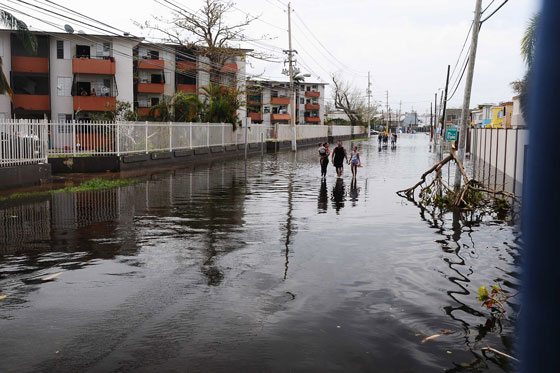
Gillette and Skeel advocate takeover boards for bankrupt communities. We’ve seen the dismal results in Detroit, Flint, and Atlantic City—and now Puerto Rico. Don’t let this happen to you!
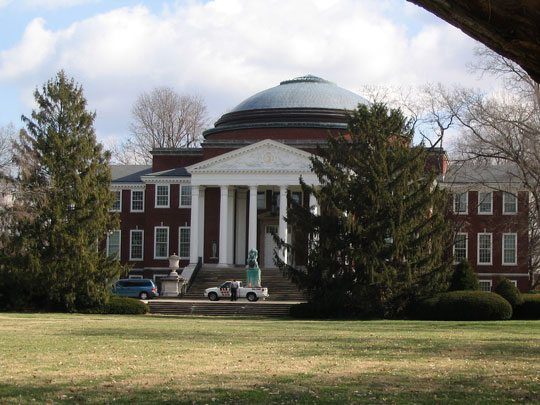
Nearly five months after a so-called “forensic audit” detailed up to $100 million in losses through mismanagement and over-spending at the University of Louisville Foundation, the university still hasn’t decided whether to sue former President James Ramsey anyone from the foundation.

A Bureau of Labor Statistics (BLS) report notes that elder care, a sector where nonprofits play an outsized role, is one of the nation’s fastest growing industries. Will nonprofits make this industry the centerpiece of a more equitable economy? Or will we allow the industry, as BLS predicts, to remain a wage ghetto?

The Jewish Federations of North America are, collectively, the fifth biggest charity in the United States. Haaretz’s study of 138 Jewish federations registered in the US from 2012 to 2015 reveals many insider deals—and little transparency.

As nonprofits become more accustomed to participating in the full range of allowable advocacy activity, they will need to keep an eye out for any exploitation.
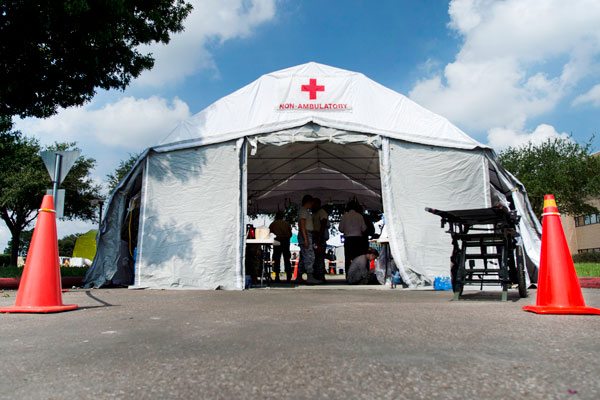
The new CEO of the Texas Gulf Coast Red Cross opts out, citing disagreements with organizational decisions made.
After providing over two million meals to residents in Puerto Rico, a chef may have found a new calling: disaster relief specialist.

China is developing a national program to monitor and rate the behavior of its citizens, where access to loans, jobs, schools, and visas will depend on one’s “citizen score.”
Community organizing approach gives voice to the voiceless, helping city tap into the assets of its diverse communities and align programs with community needs.

This article discusses trends in individual grantmaking as a lens through which to explore the efforts of so-called “experts” to corral giving, and asks, “Can we make donors act differently, and should we even want to?” Why not promote peer-based giving circles instead?