


 As ThinkImpact grew, its founder, Saul Garlick, had to make a tough decision: remain a nonprofit, or change to a for-profit model? To do so, he had to consider some key elements: ownership, transparency, and profits.
Whither Sustainability? Well, It Depends
 Grants and donations are not, in and of themselves, less sustainable than selling goods and services when it comes to raising money for social enterprise groups. Or so David Floyd contends in his blog post, which ponders fundraising possibilities for llama fanciers.
The Logical Extreme: Slate’s Yglesias Calls for End to Nonprofit Property Tax Exemptions
 Matthew Yglesias, Slate’s business and economics correspondent, suggests that property tax exemptions for nonprofit property owners are a “perverse” means of subsidy.
Gov Says Decisions on Newtown Funds by Community Foundation Maybe too Inclusive
 Connecticut’s Governor Malloy believes that the Newtown-Sandy Hook Community Foundation’s “choice to rely primarily on community members” for decision-making has made the process of money distribution more difficult and wants an independent party to take over.
Will the Zimmerman Protests Spark a Revived Civil Rights Movement?
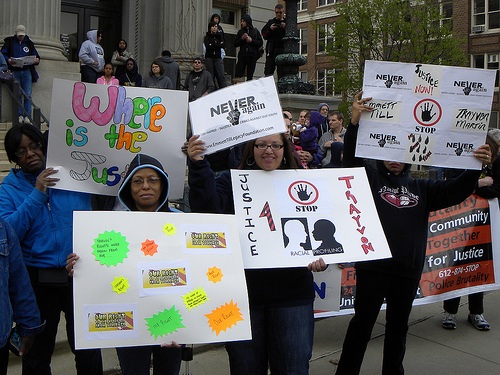 Forty-five years ago, young people around the world took to the streets to protest a multitude of issues. Now, a new wave of protests has emerged in the wake of the Florida jury acquittal of George Zimmerman in the shooting death of teenager Trayvon Martin. Some people hope that the protest energies can be sustained to revive the civil rights movement and build on the embers of the Occupy movement.
Making the Case: Data Visualizations Offer Simple Presentations of Complex Subjects
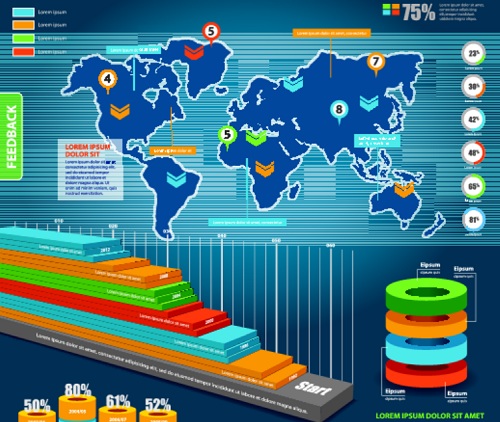 With so much data around, how can we make it easy for people to absorb it? Data visualizations are worth their weight in gold.
Barack Obama and George H.W. Bush Join to Honor the 5,000th Daily Point of Light
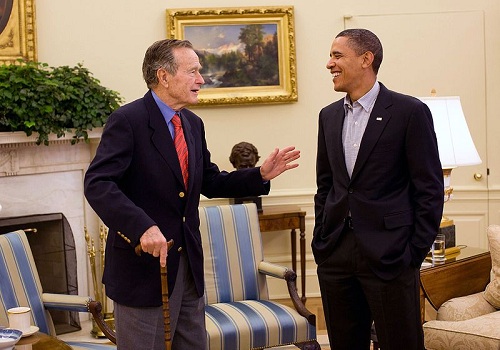 President Barack Obama honored former president George Herbert Walker Bush for his establishment of the Points of Light awards. The White House event was a love-fest between the presidents that revolved around an anodyne vision of the nonprofit sector.
Why Rural Philanthropy Must Mean More than Money
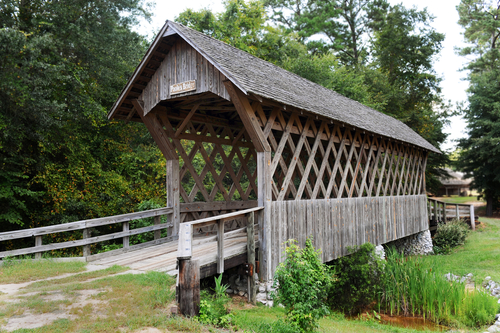 Through skillful combination of the five forms of capital—social, reputational, moral, intellectual and financial—place-based, rural foundations have the unique potential to anchor long-term change.
Nonprofit Buyers and Sellers Gearing Up for Health Insurance Exchanges
 In October, the health insurance exchanges for individuals and small businesses to purchase health insurance are scheduled to start up. For nonprofit insurers, there are challenges in getting ready to offer products. For nonprofit purchasers, there are challenges in trying to figure out what the products really are.
Professional Development – No Luxury Expenditure for Nonprofits
 With the reduced revenue pressures on many nonprofit budgets, and the scrutiny of overhead expenses sometimes professional development can be put off or even neglected completely but at what cost?
Families on Boards: What’s the Rub?
 Scratch the surface of the nonprofit sector in any given community and, chances are, some names will turn up again and again as board members. How can nonprofit leaders break the “usual suspects” habit and invite new people into the boardroom?
Should Johnny Depp Purchase Wounded Knee?
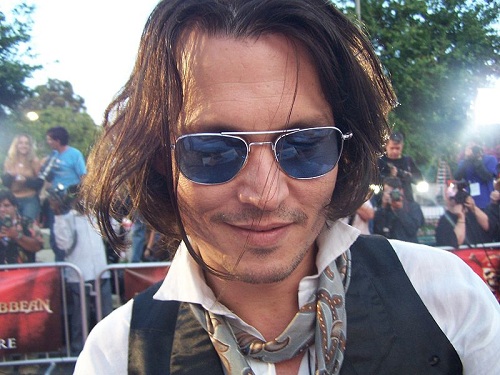 Who should buy the land where 300 Native Americans were massacred in 1890?