For nonprofits, owning facilities can come with tradeoffs. Ownership can increase financial risk and make an organization less flexible, but there are arguments on the other side.
Nonprofit Building Ownership: Is It Wise?



For nonprofits, owning facilities can come with tradeoffs. Ownership can increase financial risk and make an organization less flexible, but there are arguments on the other side.
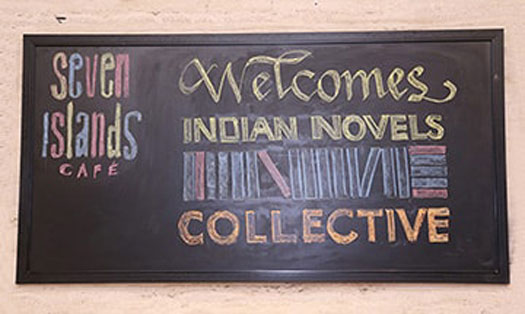
A translation collective in India is working to bring works in a dozen Indian languages to English-reading youth on the subcontinent. This model is a popular one because the principles of collective work lend themselves well to the difficult task of literary translation.
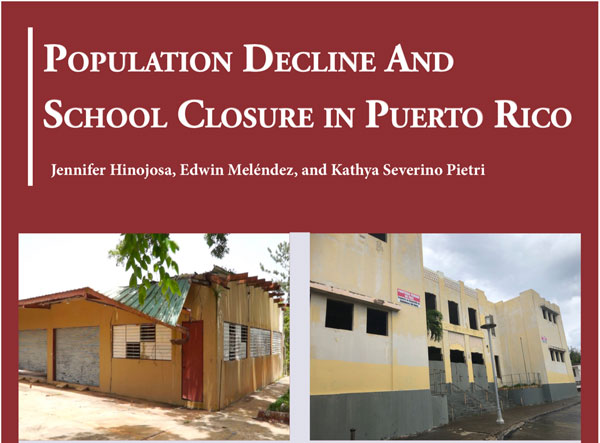
Driven by storm damage, debt, migration, and the politics of austerity, more than 260 schools have shuttered across Puerto Rico. But some communities are reclaiming these facilities to provide local services and rebuild their local economies.
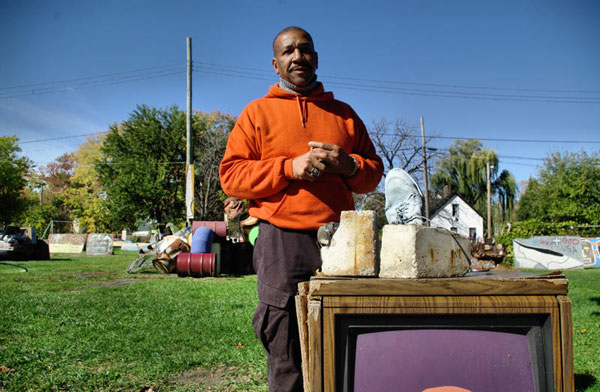
Once laughed at, now internationally famous; the Heidelberg Project prepares for the next chapter of its improbable community-building story.

The way we produce food is the source of a third of all greenhouse emissions. It does not have to be this way.
Even as many nonprofit organizations long to professionalize, some, driven by shared identity, take off and grow quickly and exponentially on the power of their members.
A pooled fund provides the necessary supports, including financial capital, to grow a field through building donor bases.

Nonprofit organizations, through competent programming and thoughtful focus, can bring healing and reunite divided groups in common goals. Such a mission, while complex, has considerable potential in a world paralyzed by conflict.

A narrative has taken hold that threatens to rob advocates of one of their most powerful tools for effecting change. At stake is the reputation of an entire class of nonprofits—501c4s.

Nonprofit organizations are frequently lauded as essential contributors to a functioning democracy, but what does that actually mean? There is quite a gap between the democratic ideal for nonprofits and the lived reality.
Americans in 2017 amassed $88 billion in additional debt to pay medical costs. To date, RIP Medical Debt has relieved 200,000 people of their past-due debts, to the tune of around $700 million.

A festival organized in collaboration with an arts nonprofit focused on social change presented a series of dance, music, and poetry performances by artists with disabilities, with an emphasis on making each work fully accessible.