


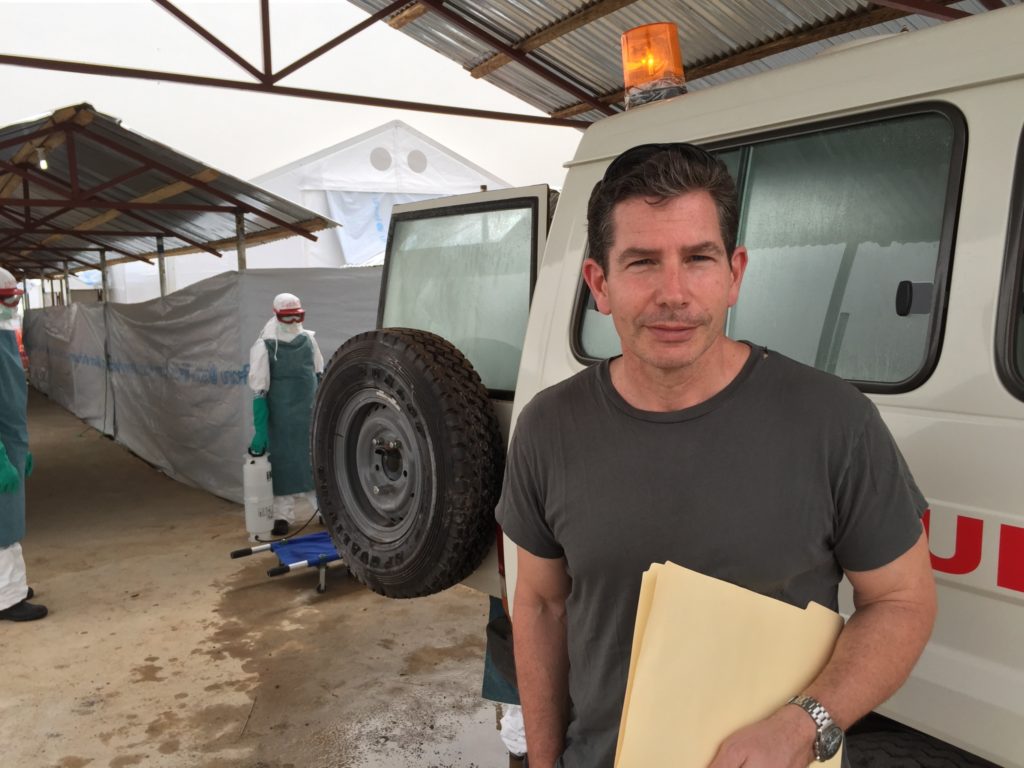
TIME Magazine named those treating Ebola patients as its 2014 Person of the Year. Joel Selanikio is one of them. “I knew I was going to go,” Selanikio tells us from his base in Lunsar, Sierra Leone, where he is currently treating Ebola patients.
Ebola: One Doctor in a Firefight

 Along the trajectory of an organization’s death are signs of decline—and even of antecedents of decline—that can be pulled out and used as a kind of morbidity and mortality analysis in aid of interpreting what went wrong. To that end, this special collection presents mini–case studies on the death, near death, or reincarnation of five organizations: Hull House; the National Center for Public Policy and Higher Education; the Otto Schiff Housing Association; the International Museum of Women; and ACORN.
 Many of the big nonprofit stories of 2014 are obvious and palpable—big chewy knots of things that require an “all hands on deck” kind of attitude for the perceivable future.
 Some older people, like Oprah, are alarmed by movements with a shared leadership model. They think it suggests a lack of direction—but have things changed?
 The use of electronic health records puts much personal information online. Protecting data against hackers is essential. Can security be balanced with ease of use for legitimate purposes?
 Medicaid expansion is significant in the ACA’s ability to provide health insurance to poor households, but nonprofits may be needed to take on program administration roles if states like New Jersey turn Medicaid into a “colossal failure.”
 One of the new nonprofit health care cooperatives created under the ACA is in financial trouble—oddly enough, because of its success at signing up unexpectedly large numbers of previously uninsured people.
 New regulations are part of Obamacare’s mandate to make healthcare more affordable and coverage more transparent.
 Former UK Prime Minister Tony Blair’s special achievement award from Save the Children US is still generating criticism.
 There are historic moments when a whole new field of nonprofits appears in response to social realities—and this kind of phenomenon poses both challenges and opportunities. The challenges are developmental, as the organizations establish themselves, work out their leadership mix and decision-making processes, establish relationships, and set up systems; a primary opportunity is for a well-placed infrastructure to support the whole field through these challenges. This article about new nonprofit journalism sites is based on interviews with the Knight Foundation and the Investigative News Network.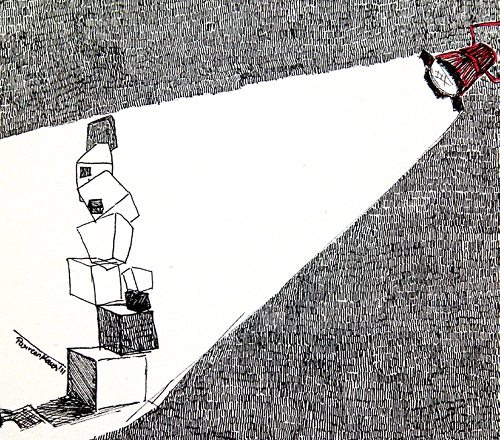
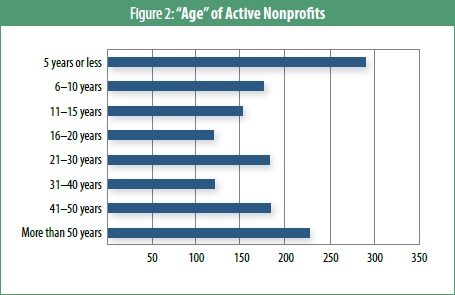
 There is no exactitude in the relationship between the number of registered nonprofits and the number of nonprofits that actually exist, but these are the figures that inform analysis of the parameters of the sector. In this article, Chuck McLean, vice president of research at GuideStar, outlines the numbers and some of the issues and questions that they raise.