Your form has been submitted
Thank you for signing up for NPQ’s newsletters! We will be in touch shortly.



Your form has been submitted
Thank you for signing up for NPQ’s newsletters! We will be in touch shortly.

 Giving USA this year showed a decrease in corporate philanthropy. NPQ has certainly heard an earful about the void left behind with their withdrawal from giving in some communities, but is corporate philanthropy dead—or even on its last legs?
 Governor Deval Patrick of Massachusetts and Governor Chris Christie of New Jersey seem to have a deep concern for the plight of the tens of thousands of unaccompanied immigrant children who risked dangerous travel to the U.S. to escape violence in Central America. Other governors show less empathy.
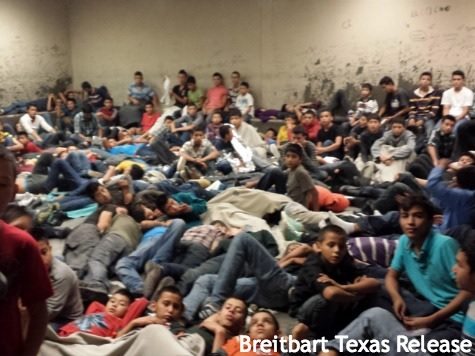
 Last week, a Texas-based international nonprofit announced plans to open an intake facility for unaccompanied immigrants in a closed hotel in Weslaco, Texas. Within a matter of days, the specifics of the organization’s plan became highly politicized both locally and nationally, and as of Wednesday, the organization had withdrawn the proposal.

 Just because a nonprofit experiences a problem with financial impropriety, it need not mean that it becomes a scandal. Some of the tenor of the response may live in the communications to stakeholders made by the organization.

 The battle over control and transparency for two controversial nonprofits in L.A. continues as a judge imposes two board members on two nonprofits.

 Community health centers have grown a lot over the past few years, and they will surely grow more in the next few, so it is critical that they communicate the effect of their programs on communities. That includes financial impact.

 National Nurses United declares the Detroit Water turnoffs a looming health disaster, but Detroit emergency manager Kevyn Orr wants to “tamp down the verbiage.”

 The America Gives More Act passed the House of Representatives this week. Just about every Republican who could find his or her way to the floor voted in favor of the proposed charitable incentives for food donations, conservation easements, and the IRA rollover, but most Democrats, including the most powerful members of the House leadership, voted against the bill and the White House is threatening a veto. Why are Democrats giving House Republicans a legislative “win” on these charitable giving incentives, and how might they craft a strategy that brings Democratic support under the proper terms of engagement?

 Can any direct correlation be found between the number of billionaire entrepreneurs in America and this country’s position as the most generous (in terms of cash giving) in the world?

 The terrors faced by children in Gaza caught in the warfare between Hamas and Israel and by the unaccompanied immigrant children along the U.S./Mexico border are evidence of a children’s human rights crisis that cries out for statements, guidance, and action from the U.S. philanthropic sector.
A nonprofit leader’s views on the recent fallout at a UK charity offers universal lessons about the importance of assessing the views of stakeholders in decision-making, even in times of budget cutting.